Tom MacSweeney column: Landmines and war rations at Royal Cork Yacht Club
The story is told in the history of the RCYC, the oldest yacht club in the world, written by Alicia St Leger in co-operation with former club archivist, the late Dermot Burns.
Tom MacSweeney column: Landmines and war rations at Royal Cork Yacht Club

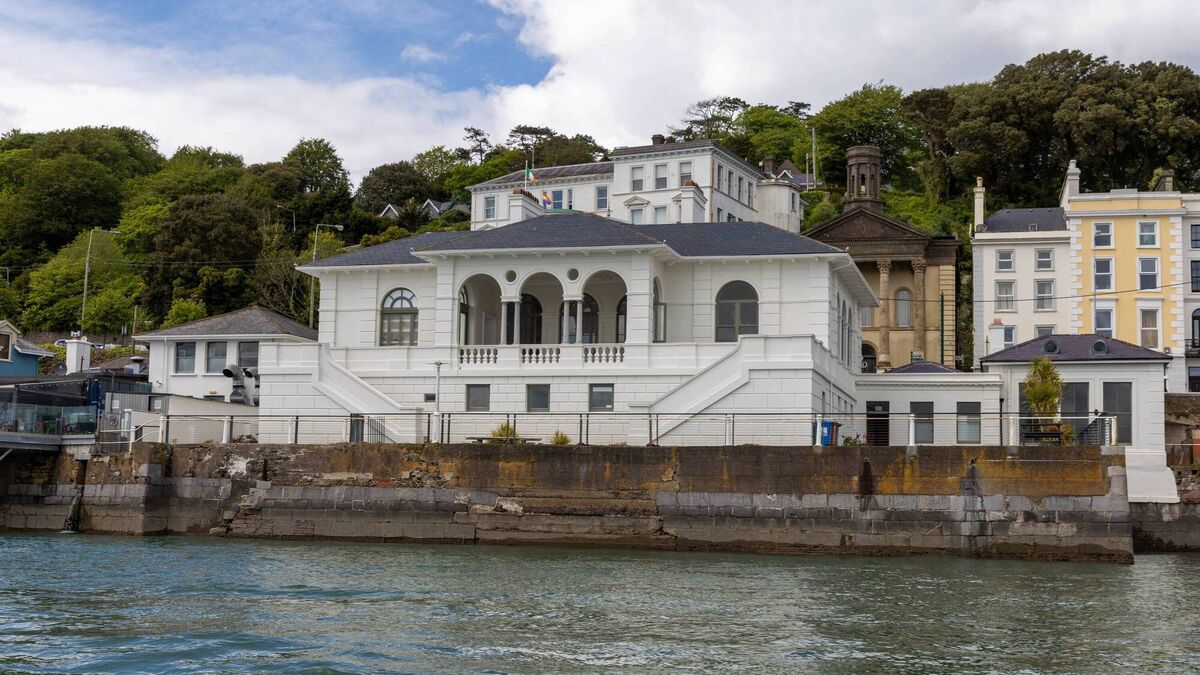
The former RCYC building In Cobh is now the Sirius Arts Centre.Picture: Bob Bateman. 

Saturday, May 11, 1940, was an astonishing day in the history of the Royal Cork Yacht Club then located in Cobh, before it amalgamated with the Royal Munster YC and moved to Crosshaven. An attempt was made to blow up the clubhouse on the waterside in Cobh.

The story is told in the history of the RCYC, the oldest yacht club in the world, written by Alicia St Leger in co-operation with former club archivist, the late Dermot Burns. It was the second year of the Second World War. Rationing and shortages had led to “some disruption in club life” at the building which is now the Sirius Art Centre.

 According to the club history: “Shortage of petrol caused difficulty for members, although the fact that Cobh was linked by rail to Cork helped with transportation. Bicycles were much in evidence at the club.”

There was no shortage of petrol for the car which pulled up outside the club at half past 10 on Saturday night, May 11, from which a number of men alighted.

There were no members inside the building when one of the men knocked on the door. A maid opened it. All except one of the group pushed past her going downstairs to staff quarters where they demanded to know how many people were on the premises. A manageress and the maid were the only two. They were told to get out, that the building was going to be blown up!

Two gardaí on duty locally became suspicious of the late night movements in the area. They were detective officer Thomas Kelly and Garda William Cahill. The latter entered the club by the main door where he found the member of the group left at the door keeping watch.

Garda Cahill detained the man. taking him outside to officer Kelly, then re-entered the clubhouse where he heard footsteps and shouted “Who’s there?”

He then heard the click of a revolver and a shot was fired. The bullet hit a wall, mercifully missing him.

The maid alerted the nearby garda barracks.

“Extra men from the barracks, not more than 50 yards from the club turned out, but the group of men made their escape through a side door,” records the RCYC history. 

“A search of the club revealed a landmine planted in the staff quarters. The fuse had been lighted, but gone out. The mine was crude, but probably quite effective. It consisted of a cemented kettle with enough explosives inside to blow the club to pieces.

“It was placed in a bucket of water and taken to the Bush Field above the town where an army ballistics officer, Capt Stapleton, examined and removed it to Dublin. Several men were arrested, but only the man seized in the club stood trial for the attack which caused considerable alarm amongst club members.

“The staff were summoned before the club committee and personally thanked by the Admiral, Major J Bagwell. The maid at the club, Mary Coleman, was also granted one month’s wages in recognition of her services on the occasion of the attempt to destroy the club.”

She had alerted the gardaí. No further attacks were made and the club resumed its regular routine.

That was disturbed by restrictions on electric light, so it was decided the clubhouse would close at 10pm. With much usage of bicycles, a notice was put up absolving the club from responsibility for any left on the premises. Members living outside of Cobh were reported to be “staying overnight on Saturdays”.

In 1943 fuel for fires was difficult to get. Foodstuffs were also affected by restrictions — so the “standard bacon and eggs supper” was discontinued in September 1942. The following year supplies of tea were a problem!

River flooding

Cork River Alliance is a community collective dedicated to restoring, protecting, and monitoring rivers and streams across city and county. It campaigns against environmental degradation and works to restore aquatic habitats to a healthy, natural state.

This week at City Hall they met to hear Mary Bourke, professor in geomorphology at Trinity College Dublin, who believes flood planning needs to be nature-based.

“Nature-based solutions,” says Professor Bourke, “are about pulling back from complete alteration of natural landscape and finding ways to restore it.”

And, I’m told, the first meeting of a new joint committee of the county and city councils was held recently. One person there said the intention was to work together for the common good. A positive development, but the agenda shown to me did not mention rivers!

Youghal Coast Guard

After seven years leading Youghal Coast Guard as officer-in-charge, Billy Farrell has retired. Tributes were paid to his work. He will continue to volunteer.

Seascapes podcast

Investigating foreign “factory ships” fishing off Ireland, tommacsweeneymaritimepodcast.ie or wherever you get podcasts.

  • tommacsweeneymarine@gmail.com.

More in this section

Man accused of speeding away from gardaí on Pope's Quay Man accused of speeding away from gardaí on Pope's Quay
Garda stock Gardaí undertake operation targeting  organised crime in East Cork town 
Law concept - Open law book with a wooden judges gavel on table in a courtroom or law enforcement office isolated on white backg Sentencing in Cork drugs case put back until July

Sponsored Content

 EirGrid, ensuring nature thrives in journey to cleaner energy future EirGrid, ensuring nature thrives in journey to cleaner energy future
City Tiles and Bathrooms: Latest trends and timeless colours City Tiles and Bathrooms: Latest trends and timeless colours
Step into nature during National Biodiversity Week Step into nature during National Biodiversity Week
Contact Us Cookie Policy Privacy Policy Terms and Conditions

© Examiner Echo Group Limited

Add Echolive.ie to your home screen - easy access to Cork news, views, sport and more