Cost of Cork city flooding could rise to €187m per year due to climate change
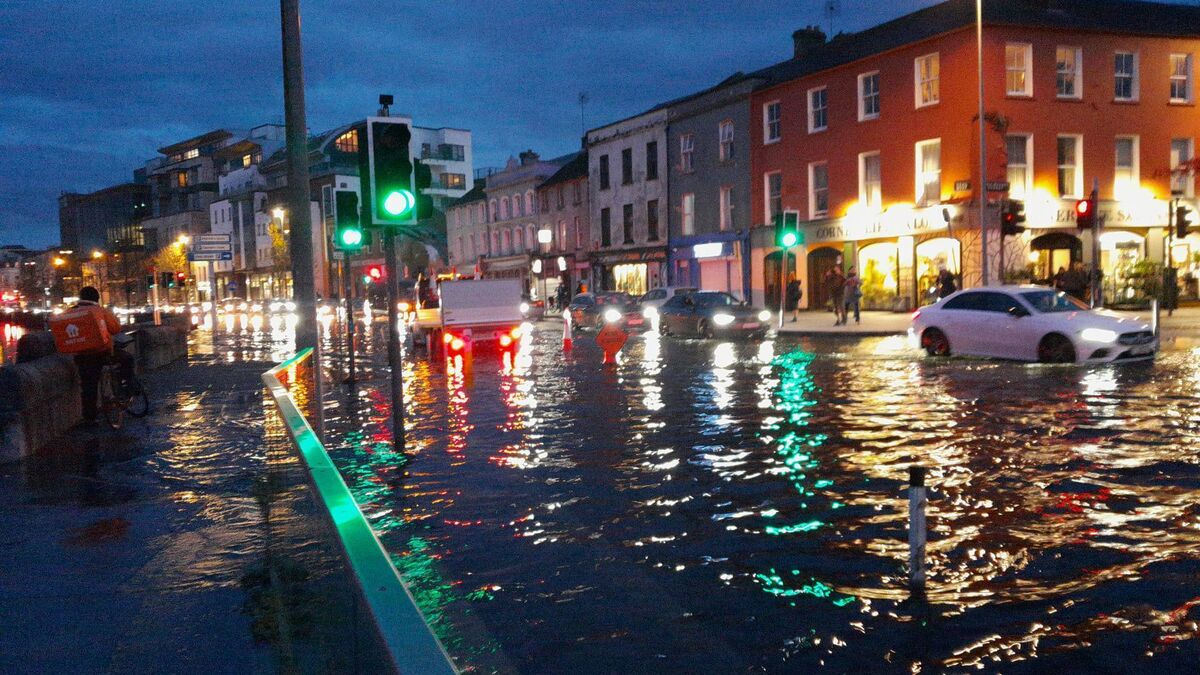
The report said the increase in the cost of flooding by 2050 “underscores the urgent need for adaptive policy measures to protect lives, infrastructure and the economy.”
A new report commissioned by the State’s environmental watchdog also warned that a large proportion of the estimated increase in future flood costs in Cork city will be borne by areas that are currently considered relatively safe from flooding.
The study expressed concern that the rate of housing development being permitted across Ireland in areas prone to flooding has accelerated in recent times, with the trend most pronounced in medium-risk zones. It claimed the pattern was most evident in areas where there was a high demand for housing.
Another finding revealed that properties at risk of flooding sell with an average discount of 4%, relative to similar properties located outside flood risk areas.
Read More
The study, Climate Resilient Places, was commissioned by the Environmental Protection Agency (EPA) to improve the understanding of future risks related to climate change at a highly local level in Ireland, particularly in relation to flood hazards.
It revealed that 10,000 housing units were granted planning permission across the Republic between 2016 and 2022 in flood risk zones, including 4,000 in medium-risk locations.
Researchers said their findings indicated that in cities and satellite urban towns, flood risk was not a significant determinant on the likelihood of a planning application being rejected.
The study said policymakers will be faced with increasingly stark choices between funding large-scale flood defence investments or paying enormous bills for recovery assistance in the aftermath of each new flood event.
“Ultimately the intensification of risk will result in higher costs to the public purse,” it stated.
It said its findings also indicated the engagement of the public about the concept of building climate resilient places and communities was still in its infancy in Ireland.









 App?
App?


