Excessive manganese levels recorded in Cork city clear drinking water supplies
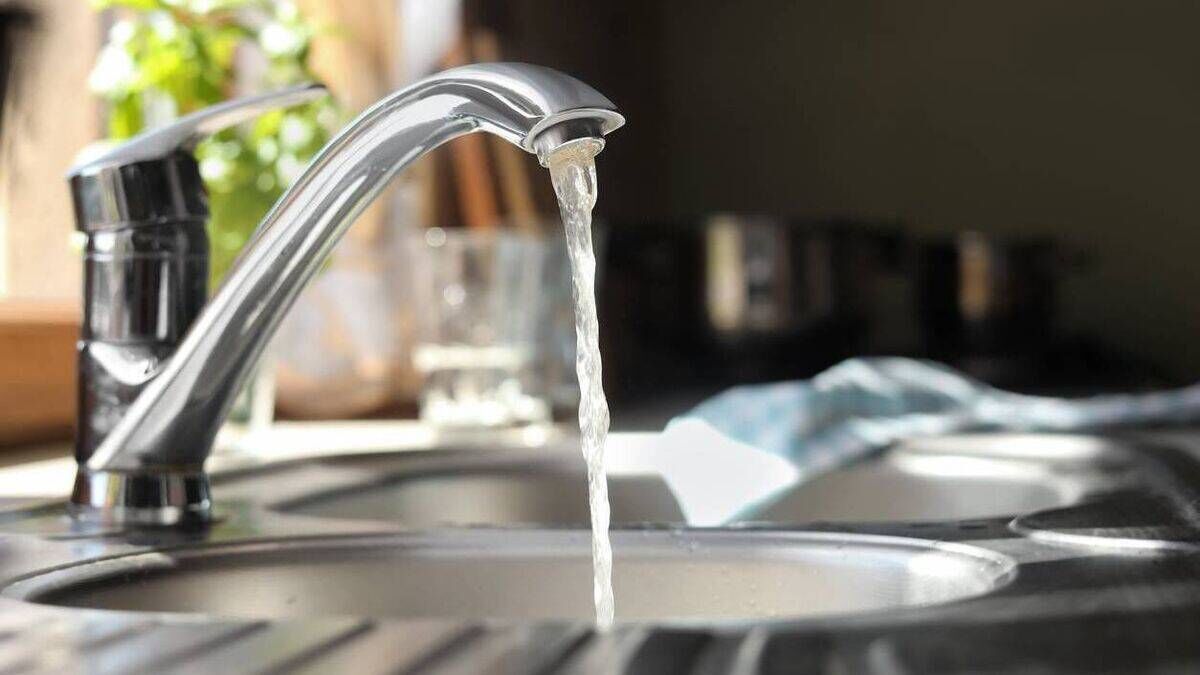
Uisce Éireann advises members of the public not to drink discoloured water, and recommends running the tap. Its website states: “If the colour of your water clears after a few minutes, the water is safe to drink”.
Manganese levels in clear drinking water in Cork exceeded safety limits 12 times in recent months, despite Uisce Éireann stating that clear water is safe to drink.
Manganese is a naturally occurring mineral which can, at high levels, be extremely harmful, potentially affecting child brain development. In adults, it can cause symptoms similar to Parkinson’s.
EU regulations allow a maximum of 50 microgrammes per litre (µg/L), while the WHO threshold is 80µg/L.
Uisce Éireann data obtained by Sinn Féin TD Thomas Gould show that between last September and January, clear water from the Lee Road supply breached EU regulations on 12 occasions.
On five of those instances, it exceeded the WHO limits.
Uisce Éireann advises members of the public not to drink discoloured water, and recommends running the tap. Its website states: “If the colour of your water clears after a few minutes, the water is safe to drink”.

In a letter that was sent to a Gardiner’s Hill resident last year, Uisce Éireann said: “The water is safe once it runs clear”.
Uisce Éireann measures water clarity in Hazen units (HU), with an upper discolouration limit of 20HU, below which water is deemed to be clear.
However, seven times between September last and January, water in Cork below 20HU — deemed clear — contained manganese above 50µg/L, and five times in the same period clear water contained more than 80µg/L manganese.
Tested
The water, which was tested by Uisce Éireann, all came from Uisce Éireann’s Lee Rd water treatment plant, according to data given to Mr Gould under Freedom of Information legislation.
The highest incidence of manganese exceedance in clear water came in the week of October 20 last year, when water from Knockfree Avenue, tested at 8HU, contained 127µg/L of manganese.
In Boreenmanna Rd on September 8, 118µg/L manganese was found in water tested at 16HU, and at Thomas Davis Bridge, 107µg/L manganese was found in water tested at 5HU.
The Echo has previously reported serious breaches of manganese limits, but in those cases the clarity levels of the water tested was not available. Last September, manganese levels of 428µg/L were recorded at Friars Walk, at more than eight times the EU limit.
Mr Gould said the figures were deeply concerning, given Uisce Éireann’s repeated advice that clear water was safe to drink.
Public inquiry
He said that he was calling for a public inquiry into water quality in Cork city.
He said: “I have lost all trust in Uisce Éireann to deliver clean, safe drinking water, and believe it is time for the Government to intervene into what is becoming a public health emergency.”
Water quality in Cork city has been a recurring problem since the then Irish Water opened its new €40m Lee Rd plant in summer 2022.
In February 2025, the HSE expressed alarm at high levels of manganese in drinking water in Cork city, telling Uisce Éireann that if such exposure was ongoing, its immediate recommendation would be a ‘Do Not Consume’ notice.
A spokesperson for Uisce Éireann said its Lee Rd manganese treatment unit ensured that “levels remain below the regulatory limit of 50 µg/L in the final water leaving the WTP and fully compliant with drinking water standards.
“This means that water leaving the plant meets the required standards and is safe to drink.”
They repeated their advice not to drink discoloured water, adding: “If water appears discoloured, we also recommend running the cold kitchen tap for up to 20 minutes”.

App?