People in disadvantaged areas 4.5 times more likely not to have good health than those in affluent areas
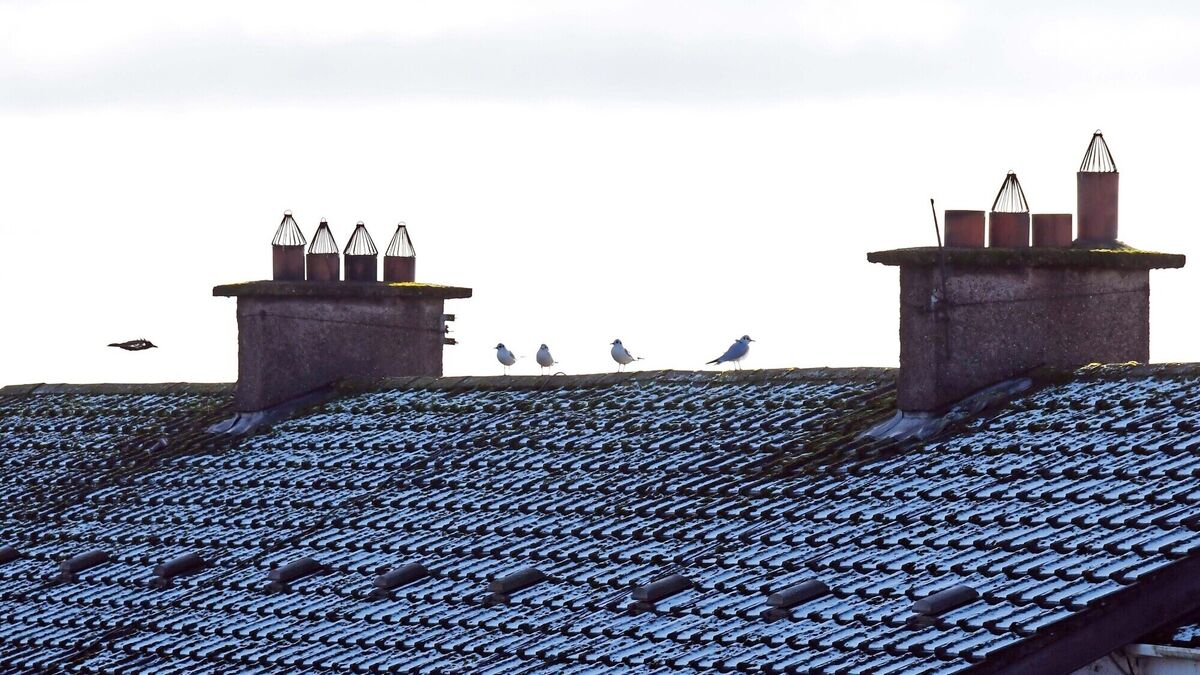
An analysis of Census 2022 data shows that children living in areas classified as ‘extremely disadvantaged’ are as likely to be disabled as people nearing retirement age in affluent areas. And some of these areas are on Cork’s northside. Picture Denis Minihane.
An analysis of Census 2022 data shows that children living in areas classified as ‘extremely disadvantaged’ are as likely to be disabled as people nearing retirement age in affluent areas. And some of these areas are on Cork’s northside.
People in the most disadvantaged areas are four and a half times more likely not to have good health than those in the most affluent areas. They are also twice as likely to have a disability.
The report, produced by Pobal, the agency that works on behalf of the Government to support communities, cross referenced data from the latest census and the Pobal HP Deprivation Index, which lists many areas on the northside of Cork city as extremely disadvantaged.
According to Alana Ryan, the co-author of ‘Disability and Deprivation Investigating the Relationship Between Health Inequalities and Geographic Disadvantage’ (using the Pobal HP Deprivation Index), there was a “striking relationship between the levels of deprivation and the rates of reported poor health and disability”. “Approximately 5% of people living in very affluent areas report not having good health, with this figure rising to over 20% for those living in very or extremely disadvantaged areas,” said Ms Ryan.
“A similar relationship is seen in rates of disability. On average, almost one in every three people (30%) living in a very or extremely deprived area experiences a condition or disability. In the most affluent areas, this rate drops to less than half of that number, to just 14%.”
Another finding was that children growing up in extremely disadvantaged areas have disability rates that are only observed among people nearing retirement age in affluent areas (approximately 7%).
According to the Pobal HP Deprivation Index, areas with scores of less than -10 were judged as extremely disadvantaged. This took in to account factors such as unemployment, the rate of early school leaving, the proportion of people who have gone on to third-level education, people in professional managerial jobs versus people who are in low-skilled work, and lone-parent families.
On the deprivation map produced by Pobal, which is available at data.pobal.ie, a number of areas on Cork’s northside are classified as extremely disadvantaged, including Knocknaheeny (-39.23), Blackpool B (-32.58), The Glen A (-34.48), and Mayfield (31.04).
According to Pobal CEO Anna Shakespeare, the analysis of the census and the Pobal HP Deprivation Index has demonstrated that 200,000 people are living in areas of extreme deprivation.
“These areas are characterised by concentrated unemployment, low educational attainment, higher rates of low-skilled work and greater numbers of single parent families,” Ms Shakespeare said.
“This new research has shed important light on the magnitude of the relationship between health, disability, and geographic deprivation,” she said.
“As a social-inclusion agency, Pobal knows data and evidence can play a central role in enabling us to understand the lived realities for the most marginalised groups in our society, and to tailor and target policy interventions to support those groups, ensuring their rights are respected and upheld.”

App?