Stevie G: Back to the future for vinyl
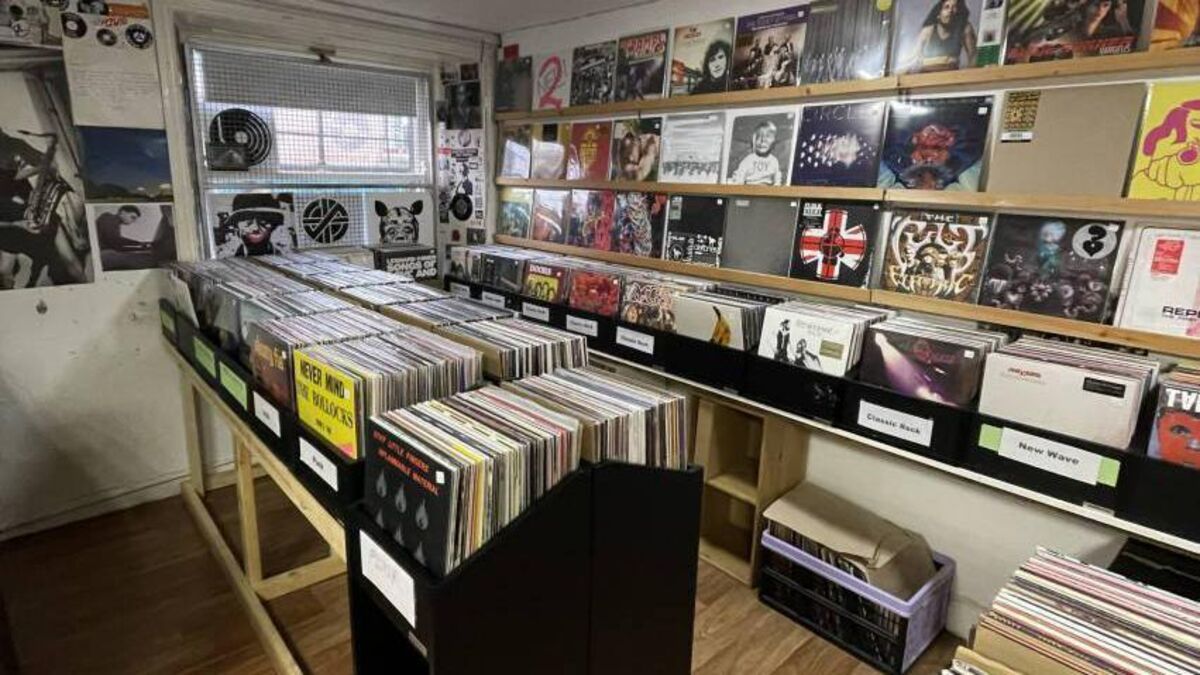
Bunker Vinyl is one of the independent shops integral to the Cork music scene.
A brief history first. The decline of vinyl came mainly in the ’80s, as the record industry’s big new format, the compact disc, was aggressively marketed. Unlike the previous big record industry format, the cassette, the CD didn’t complement the production of vinyl as the main music format. Indeed, blank cassettes were an integral way that youngsters like myself could make mixtapes from vinyl as kids, and later on from turntables as DJs.
Kids from my generation would have grown up in an era where CDs were coming in, vinyl was being pushed out, and the digital age of streaming was still a bit away.
The Great Rock ‘n’ Roll Swindle was a Julien Temple mockumentary from 1980, which told the story about how Sex Pistols manager Malcolm McClaren manipulated the band to the top of the music industry, but, in truth, the marketing of the compact disc as a superior musical format was the biggest swindle of the decade.
The boxes always broke, and the artwork was so small that affection for the format carries little of the powerful nostalgia that we have for records of old. The simple fact remains, that records of that era have more longevity and have often remained in better condition too. I do think the record pressing plants of the ’70s carried better quality vinyl but that’s a story for another day.
How come vinyl didn’t die?
It was kept alive by independent shops, independent labels and by DJ culture. Many music fans who knew vinyl was the ultimate format kept their records. Youngsters like myself took advantage of older generations discarding their records and amassed huge collections for half nothing. Dance labels kept releasing vinyl as did other indies and when it came to hip-hop, drum n’ bass, r&b and other formats, vinyl remained king for the ’90s.
The bigger shops here closed down (Virgin, HMV and even Golden Discs), but many independent ones kept the flag flying.
Now many of those shops are back and HMV’s return to Cork comes after Golden Discs re-established their hub in the former HMV store that used to be the front of the Pav cinema back in the day. We still have Plug’d records, Bunker Vinyl, Music Zone, 33RPM, Ripall, and other Cork independent shops too, vibrant and essential community hubs that carry on a fine tradition of representing the Cork music scene. Vinyl is now mainstream again and you can buy records in Tesco in 2025.
Artists are rightfully disillusioned with their paltry royalties through streaming and there is a growing campaign against the world’s most recognised platform, Spotify, who have associations with AI military investment.
Massive Attack and many other big artists are removing their music from Spotify, and many grassroots artists are doing the same. It’s quite normal now for an artist’s music to be only available on physical formats, which is a huge full circle move for the music industry.
Artists and labels are realising that they can actually make a bit of a profit off selling physical music rather than relying solely on the paltry streaming income and they also see the benefit of having a direct relationship with their loyal fans too. The industry has gone back to the past in many ways and vinyl and record shops are very much part of the story!