New study of Long Covid by Cork team
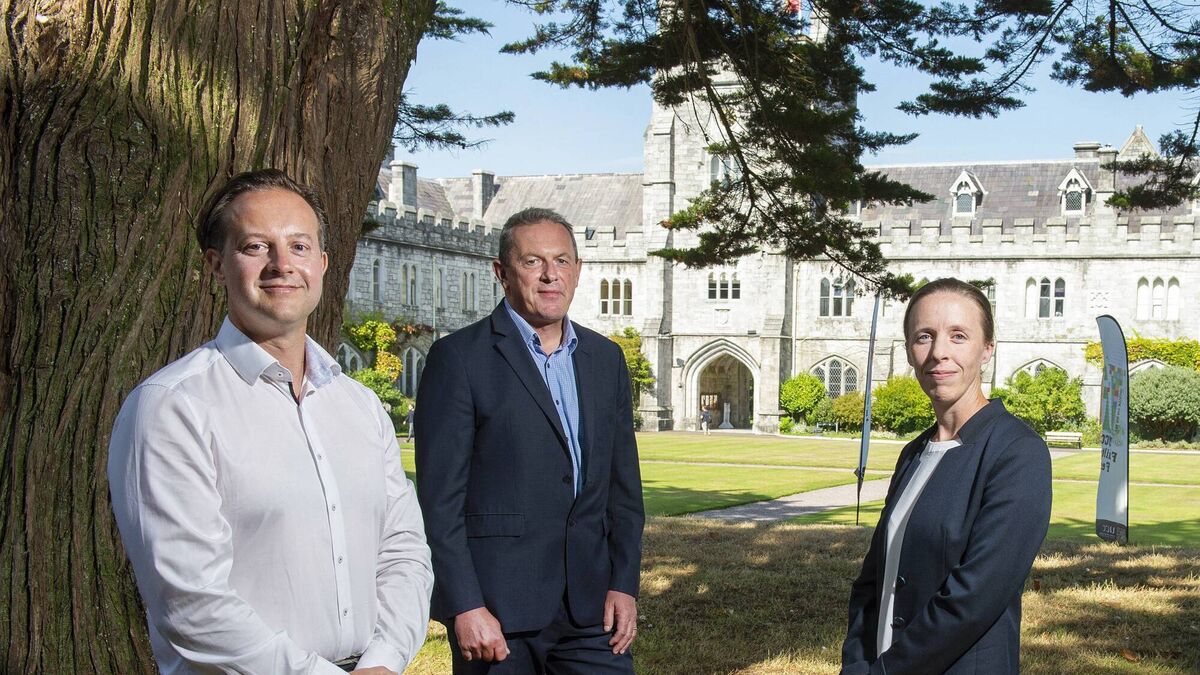
The research was led by Prof Liam O’Mahony Principal Investigator at APC Microbiome Ireland SFI Research Centre & Prof of Immunology University College Cork and first authored Dr Corinna Sadlier, Consultant in Infectious Diseases at Cork University Hospita both pictured here with Director of APC Microbiome Ireland Prof Paul Ross. Pic: Gerard McCarthy.
A new Long Covid study from APC Microbiome Ireland, the SFI Research Centre based at University College Cork (UCC), has made a discovery that helps scientists understand the long-term consequences of the virus.
The study found that biomarkers of immune system activation are linked with impaired metabolism in Long Covid patients which helps scientists understand the pathobiology of SARS-CoV-2 infection and associated long-term consequences.
The research, led by Principal Investigator in APC Microbiome Ireland and a Professor of Immunology at UCC’s Dept of Medicine and School of Microbiology Professor Liam O'Mahony and first-authored by Consultant in Infectious Diseases at Cork University Hospital (CUH) Dr Corinna Sadlier, was published this week in the international scientific journal ‘Allergy’.
It shows that the levels of multiple biomarkers are altered in serum from patients with Long Covid, even nine months after the initial infection with SARS-CoV-2.
Over 1,000 molecules were measured in patient serum, and a subset of these molecules were shown to be at different levels in patients compared to healthy volunteers.
These differences indicate an ongoing activation of the immune system, which were coupled with differences in molecules generated during metabolism. The differences in metabolism give some hints at what might be underpinning long-term symptoms such as fatigue and brain fog.
Overall, the study findings identify novel mechanistic and potential diagnostic markers as well as potential therapeutic targets in Long Covid patients.
Prof Liam O'Mahony said the study provides further evidence that SARS-CoV-2 infection can impact immune and metabolic systems for a long time following the elimination of the virus.
“These new findings provide us with definitive targets to be further examined in helping us better understand why some people get Long Covid, and represent a first step in developing potential new targets for diagnosis and therapy.”
Dr Corinna Sadlier said that patients with Long Covid present with prolonged multisystem symptoms which can impact the quality of life, affect the ability to work and cause significant disability for some.
“As scientific and clinical knowledge evolves there is a pressing need to focus research investment and coordinate multidisciplinary specialist support services to improve outcomes for these patients,” she said.
Director of APC Microbiome Ireland Prof Paul Ross said the research highlights the importance of finding scientific solutions “which can tackle the underlying mechanisms that are causing such diverse and debilitating symptoms”.










 App?
App?


