TV doc’ tells the story of Cork forest
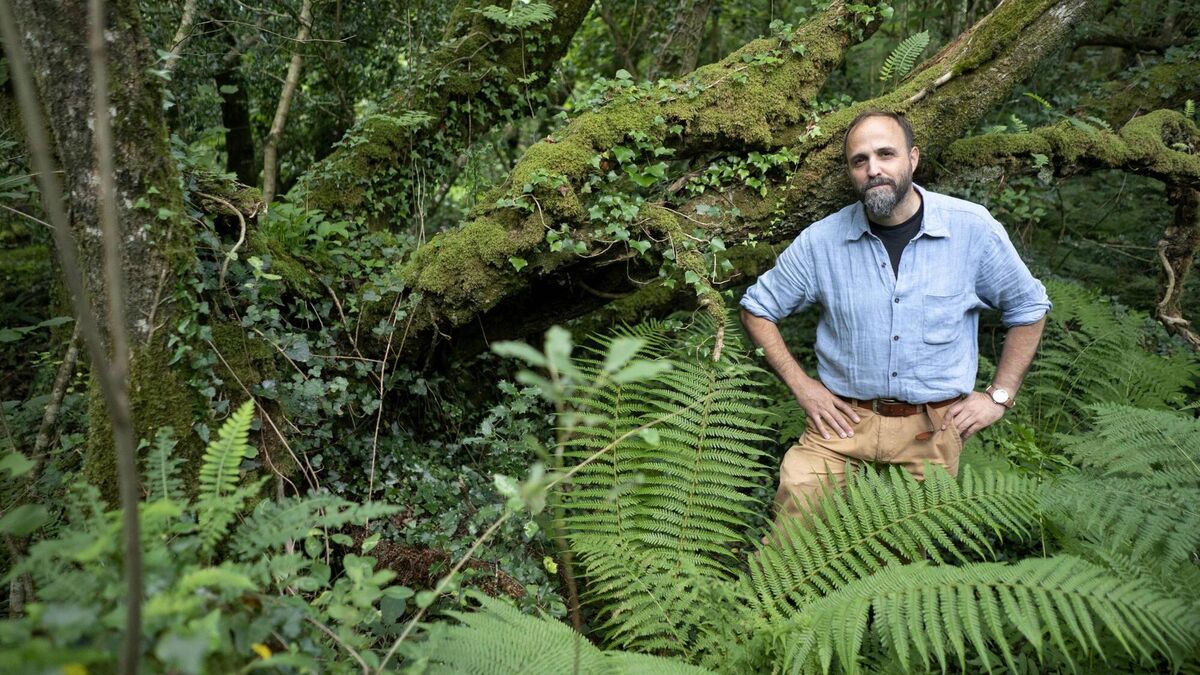
NATURE LOVER: Rewilder Eoghan Daltun on his Beara property
The story of how one man transformed a piece of Cork land into an ecological wonder is told in a new TV series next week.
NATURE LOVER: Rewilder Eoghan Daltun on his Beara property
The story of how one man transformed a piece of Cork land into an ecological wonder is told in a new TV series next week.
Called An Irish Atlantic Rainforest, the two-part series begins on RTÉ1 on Sunday at 6.30pm.
It tells the story of how Eoghan Daltun, a Dublin sculptor, traded city life for 73 acres of ecologically ravaged land on Ireland’s wild Atlantic coast.
He then discovered that the most radical act of conservation is simply learning to do nothing — and watching a lost rainforest rise from the ruins
Based on Daltun’s bestselling novel of the same name, A n Irish Atlantic Rainforest is a beautiful, immersive documentary series that tells the story of this leading climate activist at the forefront to save native Irish oak forests in the face of climate change and political indifference on the edges of the Cork coastline.
From his inner-city Dublin upbringing to his life as a stone conservationist, Eoghan is a striking and inspirational figure who now finds himself custodian to one of the best examples of temperate rainforest in Ireland, having rewilded an old farm on the wild edges of the Beara Peninsula, near the village of Eyeries.
Over the course of four seasons, we will see the unique characteristics of what an Irish Atlantic Rainforest looks like, which changes through the seasons, unlike the more famous tropical rainforests.
For most people thinking about climate change and biodiversity loss, the sheer scale of it it is so bewildering that the reaction can be a feeling of helplessness and impotence.
It is in this context that this documentary aims to act as an inspiration.
We will see how a small overgrazed ‘dead zone’ has been transformed into Ireland’s most pristine rainforest. What is amazing about this rainforest is how tangible it is.
It was purchased from the sale of just one small cottage. Then two simple things were done: a fence to stop grazing animals was installed, and secondly the invasive non-native flora, largely Japanese Rhododendron, was removed when discovered. The rest is left to nature. There is no planting, no extraction. In this short time a rainforest teeming with life has been recreated.
Sign up to receive our weekly newsletter to be in with a chance to win prizes and see what's coming up in The Echo
Have you downloaded your FREE
App?

It's all about Cork!
Add Echolive.ie to your home screen - easy access to Cork news, views, sport and more