Books: Cork author’s debut novel set in dark times after Cromwell
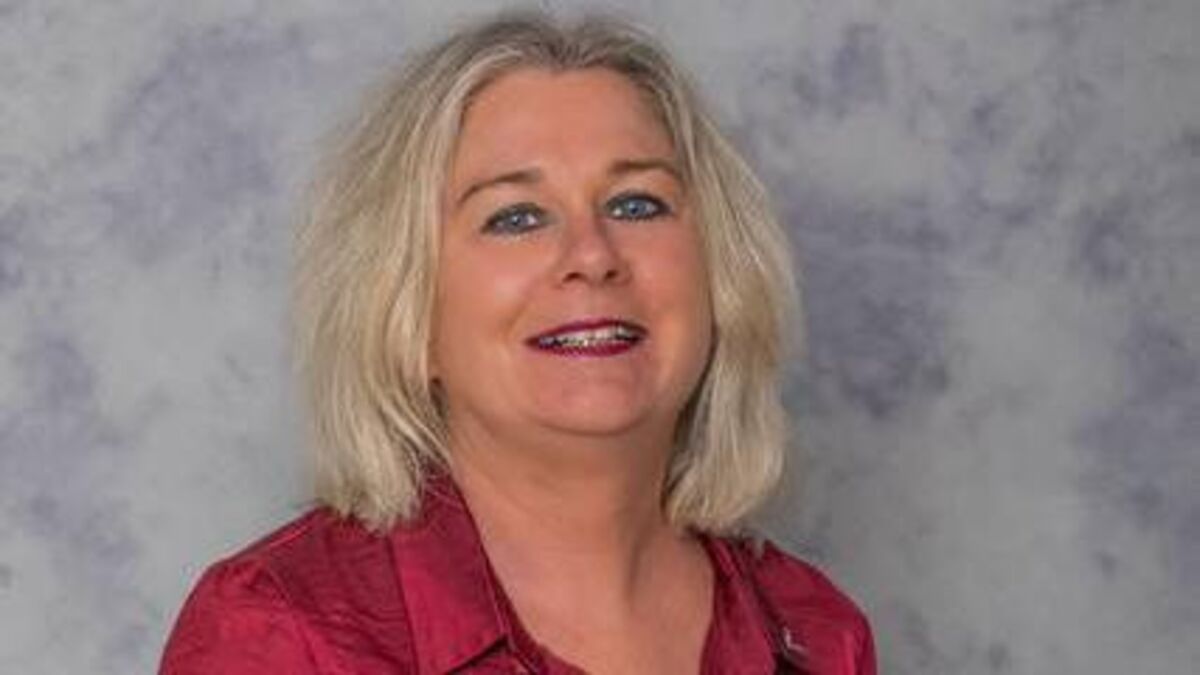
Allihies writer Carina McNally tells AISLING MEATH how she blended real history, spirituality, and mythology in her story about a woman left to fend for herself in 17th century Ireland
Books: Cork author’s debut novel set in dark times after Cromwell

Carina McNally: “I am always hungry to learn of women in our history, as often it is a ‘his’ story as opposed to ‘her’ story”

If you enjoy losing yourself in a grand historical adventure story, then Mithim by Allihies-based author Carina McNally is the book for you.
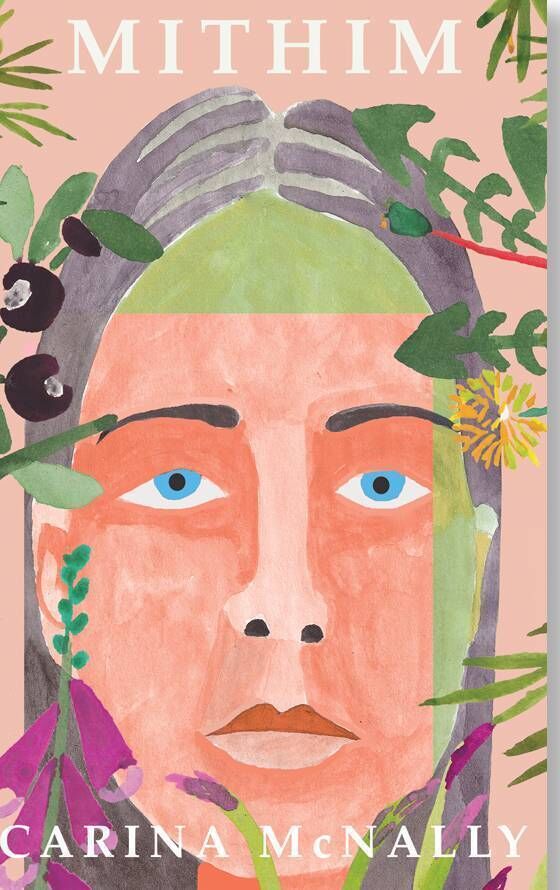
This debut novel, published by Cork’s Mercier Press, brings the reader on a journey back to 1657, eight years after Cromwell’s army had wreaked havoc in Ireland, destroying homes, and burning the castles of the Gaelic nobility.

Rooted in real historical events, this multi-faceted saga conjures up a very dark period in Irish history but is also resplendent in Celtic mythology and a deep understanding of how the natural world was observed by our ancestors.

It straddles a time in Ireland when pagan worship and Christianity were both observed, albeit the public practise of Catholicism was suppressed during Cromwell’s brutal military campaign. Churches were forcefully abandoned and used to shelter the horses of the Parliamentarians; Pagan Goddess worship was practised in secret.

Mithim is steeped in the lore of herbal medicine and outlines many remedies which were abundantly practised by the so called ‘hedge witches’, or wise women and healers, making this book a veritable apothecary of knowledge passed down through the generations.

One of the characters in the book, a bookseller in Cork city, remarks: “There are few shrubs that have no serviceable use for man, either as edible or medical.”

The narrator and central character of the story is Mithim McMurrough. She is the daughter of a Gaelic Lord whose West Cork mother died in childbirth, and whose father and brother were forced to flee Cromwell’s army after their castle was burned to the ground.

The chilling scenario is recalled by Mithim in all its brutal horror.

Mithim, by Carina McNally, a multi-faceted saga set in a dark period in Irish history

She flees and ends up hiding in solitude deep in the forests of Co. Wexford, 28 years old, and all alone except for the creatures of the forest, the birdsong, and the creaking of the trees which surround her.

She turns to the natural world for her survival, constructing a shelter to live in, foraging for food, and making potions and medicines from plants.

Soon, her reputation as a healer is known amongst the locals who seek her out for cures. She remains constantly vigilant, fearful at being discovered by the enemy forces, which adds an extra beat of suspense to the story.

Mithim spends her days of exile wondering what happened to her menfolk, not sure whether they were dead or alive, and after a few plot twists, she eventually resolves to travel to Co. Cork where she had heard there were sightings of her brother Eoin.

It is clear that a lot of meticulous research went into the book, which draws on a time of extreme conflict in Ireland.

Author Carina says that she has always been drawn to history and traces it back to a time when she worked as a reviewer for non-fiction publisher Chronos Books.

“As a lover of history, reviewing titles for this imprint was a perfect fit,” she said.

“I was introduced to many 17th century titles such as Catherine of Braganza, The Tragic Daughters of Charles I, and The Caribbean Irish: How The Slave Myth Was Made.

“Gerald Fitzgibbon’s Kingdom Overthrown: Ireland And The Battle For Europe 1688-1691 in particular was a story that created a rich framework for writing about conflict.”

Carina’s home on the Beara Peninsula is an area steeped in mythology, and particularly the Pagan energy of the ‘Cailleach’ - sometimes known as the Hag of Beara.

Mithim often calls on her for protection in the book, and her mythic presence is very much abundant in the story, and still very much part of local lore today.

“The Cailleach allegedly mothered nine generations of Beara people and is the creator and custodian of our land. There are stories of her appearing from under rocks everywhere in Beara,” explains Carina.

“I am always hungry to learn of women in our history, as often it is a ‘his’ story as opposed to ‘her’ story. Any conscious effort to seek out ‘herstory’ perspectives and to highlight extraordinary, overlooked women of the past appeals to me.

“I think the female goddesses are incredibly resonant today as the Mother Earth element is a hugely important topic with the massive loss of our biodiversity on sea and land.”

There has been a huge revival and interest in recent times of the duel aspects of spirituality, as seen in the establishment of a national holiday dedicated to Brigid in February, and Carina observes this reclamation of the female aspect with interest.

“Without a doubt, the Catholic Church in Ireland was dominated by narcissistic and misogynistic men who would not have allowed the reclaiming back of any women as powerful as Brigid,” said Carina.

“I am hoping that the Catholic Church will move forward in a more positive way as I believe it provides a vital service in both ritual and spirituality in the community.

“Even though my book is based on paganism and I do not believe in a lot of Catholic dogma, I do attend Mass as I enjoy the mindful and spiritual aspect of it.

“During the time when my book Mithim is set, the mid-1600s, witch hunting was a national sport in much of Europe, including England and Scotland.

“Women were hunted and massacred, sometimes hundreds in one go, the so-called learned using witch hunts to control and confiscate property.

“The power of healing such as practised by Mithim was firmly in the hands of women, people believed that they could work miracles, and those in power feared the reverence ordinary people held for them.

“In Ireland, the women fared better as the people were mostly too superstitious and they revered, and even feared the ‘bean feasa’, the wise woman.

“In my book, I purport that the English were so busy uprooting ‘rebels’ that they did not have a chance to turn on the women.”

The name of Oliver Cromwell still induces a strong reaction in Ireland, outlined in the recent proposal to erect a public statue in Cork to the mosquito which allegedly bit him and gave him the disease which brought about his demise.

Some historians estimate that 41% of the population either died or were exiled to the West Indies in indentured service during the Cromwellian conquest and its immediate aftermath.

The Irish went from losing most of their leaders under the martial law of the 1500s to utter extermination in the following century.

“I think it’s easy enough to figure out why Corkonians rejoice in the mosquito that put an end to him,” muses Carina.

Mithim, by Carina McNally, is published by Mercier Press.
More in this section

2026 GAA Hurling All-Ireland Senior Championship Launch TV sport round-up: GAA showdowns for Cork men and women
TV tribute to priest whose Cork speech haunts us 80 years on TV tribute to priest whose Cork speech haunts us 80 years on
Wedding of the Week: Cork college sweethearts are wed Wedding of the Week: Cork college sweethearts are wed

Sponsored Content

Solar panels on residential roof in closeup shot. From powering the country to empowering its people
Say cheese, think Kerrygold: A new range of cheeses guaranteed to put a smile on your face Say cheese, think Kerrygold: A new range of cheeses guaranteed to put a smile on your face
Young woman managing finances at home with phone and piggy bank Government Personal Investment Account must target mainstream savers
Contact Us Cookie Policy Privacy Policy Terms and Conditions

© Examiner Echo Group Limited

Add Echolive.ie to your home screen - easy access to Cork news, views, sport and more