Oxford fertility expert brings 30 years of experience to Sims IVF Cork
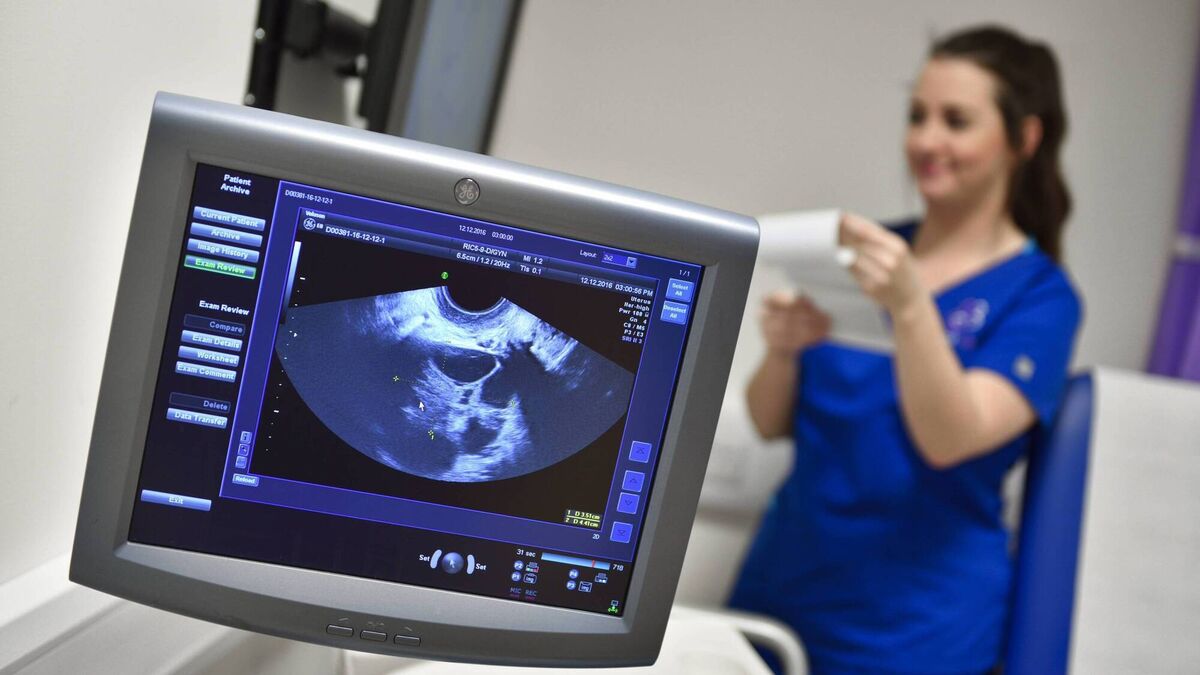
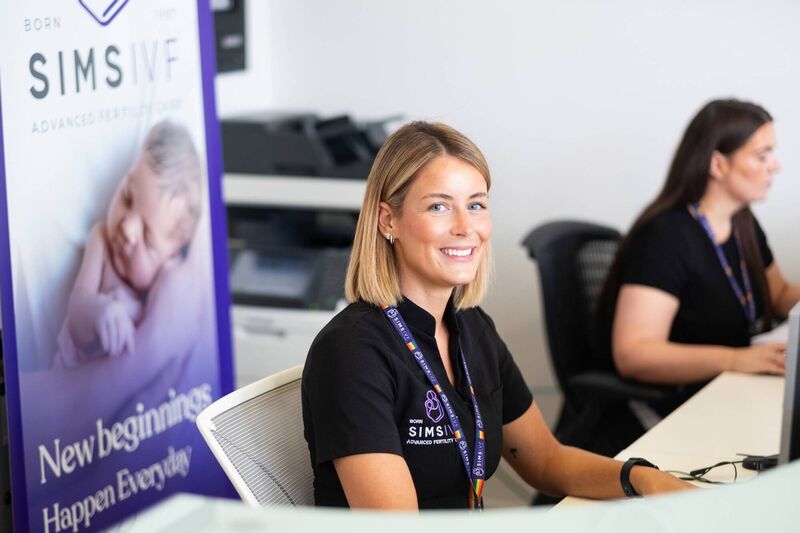
Sims IVF Cork seeks to bring people past any uncertainty and worry towards hope and optimism because they can see a pathway to pregnancy.
The specialist fertility care at Sims IVF Cork is at the cutting edge of this branch of reproductive medicine with the recent appointment of Professor Enda McVeigh as Medical Director.
Professor McVeigh, originally from Tyrone, is attached to Oxford University. He brings more than thirty years’ experience across reproductive medicine, fertility care, surgery, clinical practice and academic research to his latest role. His expertise spans IVF and fertility preservation as well as complex reproductive and gynaecological conditions including endometriosis, PCOS, recurrent miscarriage, menstrual disorders and pelvic pain.
“After twenty years working in reproductive medicine at Oxford, I know how much the small things matter to patients – clear communication, honesty about uncertainty and being available when questions come up,” says Professor McVeigh.
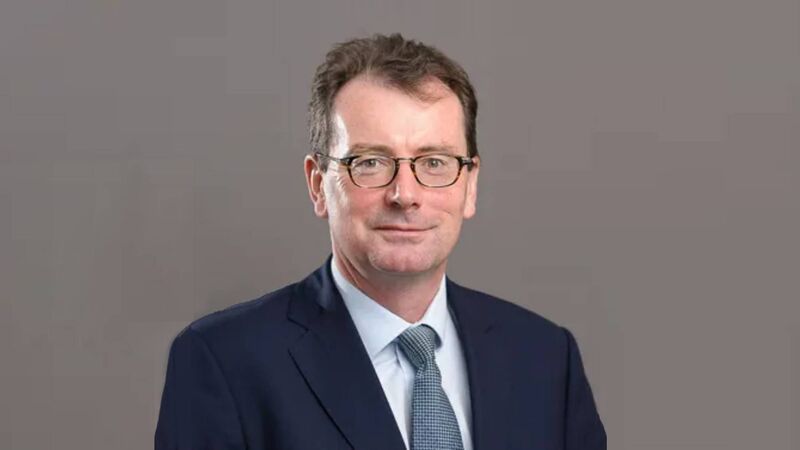
He adds: “I’m delighted to bring that experience back to Ireland and to Sims IVF Cork, a clinic with real momentum and I’m looking forward to helping build on it.”
For patients across Cork and Munster, accessing specialist fertility care does not necessarily mean travelling to Dublin. Sims IVF Cork, at City Gate, Mahon, provides patients with access to fertility treatment, consultations, monitoring and a broad range of fertility treatments and procedures locally.
Professor McVeigh points out that for many people, “infertility is not just a diagnosis. It’s a grief process. There are feelings of failure and shame that things haven’t happened. People talk about reproductive choice, mostly in terms of preventing or ending a pregnancy. But for someone who is infertile, who has been trying for months, they haven’t got reproductive choice because the conversation has changed to the other way ‘round. It’s inverted. They didn’t choose to not be able to get pregnant, whereas people can choose not to have a pregnancy.”
In a couple where the female is in her twenties or early thirties, when she comes off contraception, “the expectation is that about 30% would be pregnant in the first month. After about twelve months, 85% of those who will ever get pregnant naturally will become pregnant. About one in six couples will have a degree of infertility and will not be pregnant within twelve months.”
Professor McVeigh says that not getting pregnant can be hugely distressing and for some can lead to depression and anxiety. “That’s why the World Health Organisation defines infertility as a disease because it can lead to mental health issues that can affect not just the individual but the couple and their relationship.”
At Sims IVF Cork, counselling is available for people embarking on fertility treatment. Professor McVeigh says that stress and anxiety can be acute before the actual diagnosis of infertility.
By the time they get to Sims IVF Cork and start treatment, there can be a real shift from uncertainty and worry towards hope and optimism because they have a pathway.
“Our role at the first consultation is to define a very clear pathway whereby we’re going to help them to get to that point of achieving a pregnancy – or not. You need to set your expectations very carefully, especially around the age of the female and how likely she’ll get pregnant. However, there are many routes to pregnancy.”
The first step is to understand whether there are factors affecting egg quantity or quality, or whether there may be a male-factor fertility issue, such as a low or absent sperm count.
“Infertility affects men and women equally. A third of cases are due to the male. Very often, we forget to include men fully in the conversation. Sometimes, the female takes on too much responsibility.”
Professor McVeigh’s appointment is an opportunity for Sims IVF Cork to continue its focus on evidence-based individualised fertility care. The clinic, which is HSE approved welcoming both HSE and private patients, spends a lot of time trying to understand why a couple is not getting pregnant,
“And remember, there are many routes to (parenthood); there are donor eggs and donor sperm options. Biological barriers are not necessarily the end of the road. Some might explore surrogacy, adoption and fostering. So it’s about sitting down with the couple or individual and understanding the diagnosis and devising an individualised patient care pathway, and that may change over time.”
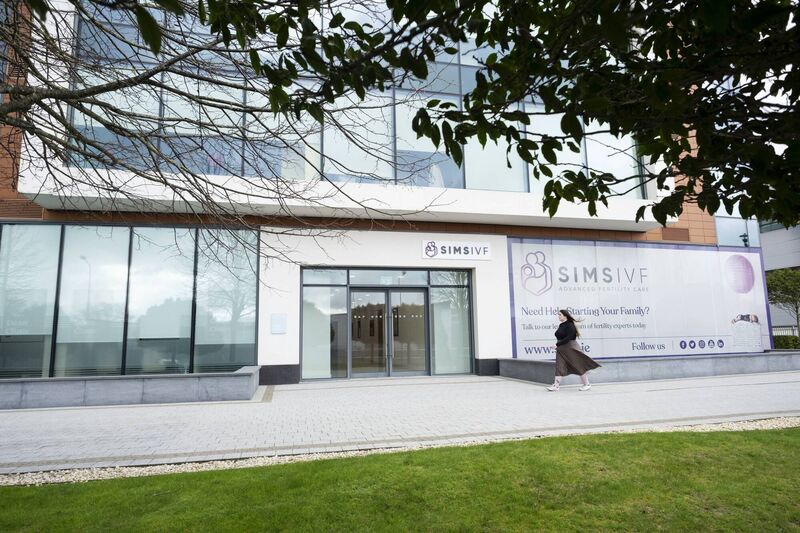
Supporting the patients throughout the journey is something that Sims IVF Cork prides itself on.
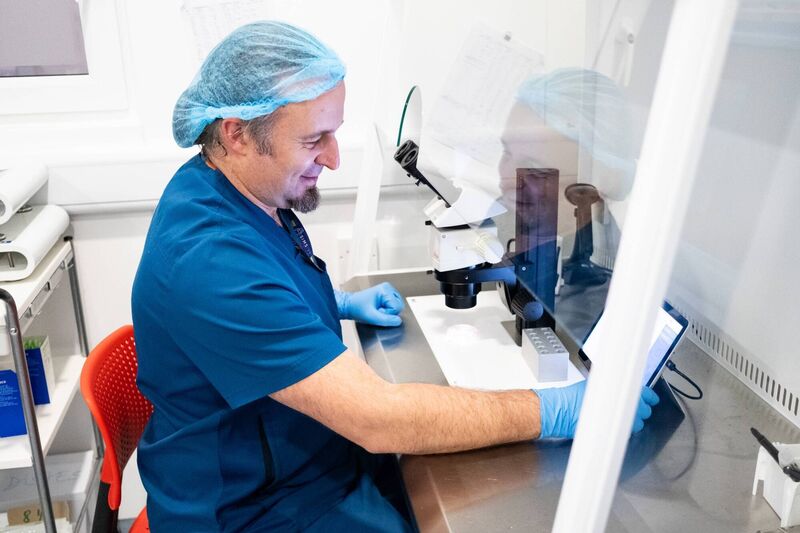
“It’s one of those areas of medicine that involves a multidisciplinary team. The doctors are usually seen at the first consultation. But the nursing staff, the administrative staff and the embryology staff – the unsung heroes that patients may not have contact with but who do the real magic – are all part of the team. If the laboratory don’t get it right, things don’t work out. Doctors get a lot of the glory. We’re like the Maître d. We bring the patient into the restaurant, and it is then up to the team to make the experience and outcome work.”
About one in thirty-five babies born in Europe at the moment are conceived through IVF. Infertility and treatment for it is no longer a taboo subject, observes Professor McVeigh.
A growing cohort is solo women wanting to conceive and same sex couples, including males, are presenting for fertility treatment.
Sims IVF Cork offers more than just IVF, including IUI (intrauterine insemination), ICSI and IMSI which are techniques used during IVF to help fertilise an egg, blood tests and ultrasound monitoring, (PGT) preimplantation genetic testing, fertility preservation, donor egg and sperm programmes and oncology fertility preservation. The clinic’s is the most affordable, inclusive programme in Ireland.
Professor McVeigh says a very important function at Sims IVF Cork is oncology fertility preservation. “Cancer is no longer the fatal thing that it was twenty or thirty years ago. Even the fact that we talk about storing the eggs or sperm (prior to chemotherapy and radiotherapy) to provide for future fertility means it’s not just about curing the cancer patient, but we want the person to have a full enriched life going forward. That includes having a family. It gives cancer patients optimism.”
Preimplantation genetic testing “has come on a lot in the last number of years. When embryos are created, a proportion may have chromosomal abnormalities that affect their potential to result in a successful pregnancy, which means some embryos may ultimately not be suitable for use. But we can increase the success rate of the pregnancy by taking a couple of cells from the outer part of the embryo, confirming they’re genetically normal and putting them back. This increases the chance of pregnancy dramatically and decreases the chance of miscarriage.”
“It’s a great privilege to be involved in Sims IVF Cork, to help the people of Cork and Munster on their reproductive journeys,” says Professor McVeigh. With his extensive international clinical and academic experience, the appointment is astute and bodes well for Cork.