Meet the doula helping support families in Cork when they bring home baby
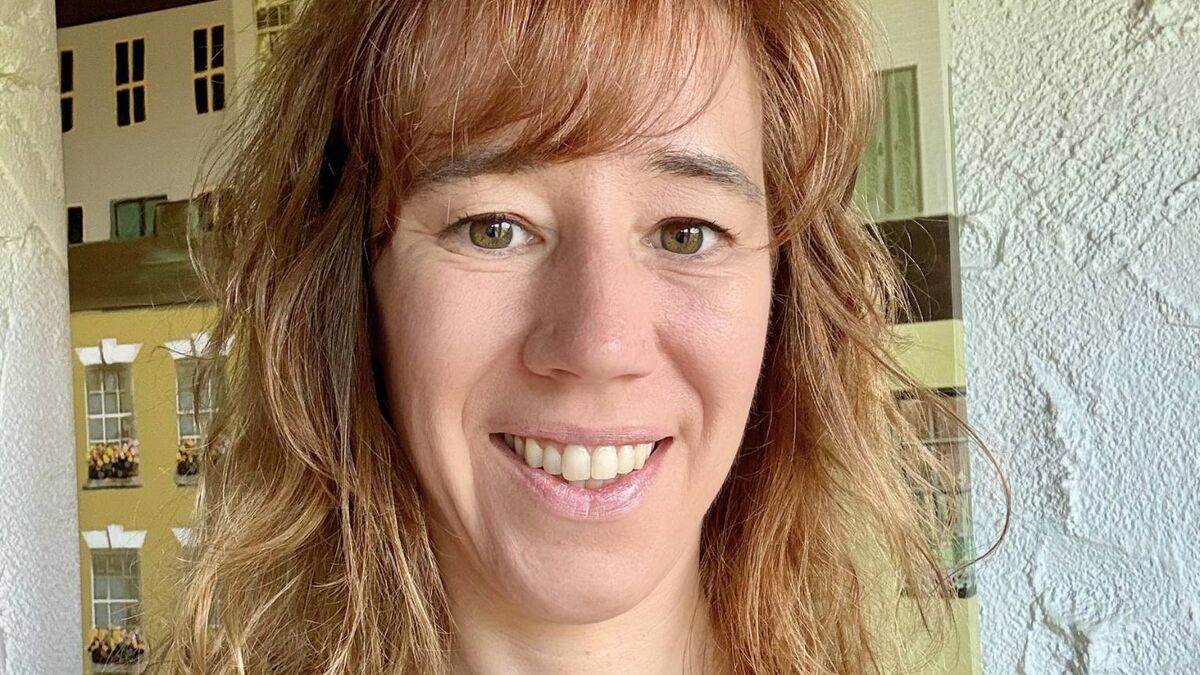
Amélie Nyhan: “I literally said, ‘this is what I want to become’”
When Amélie Nyhan gave birth to her third child nearly 11 years ago, she expected her postpartum experience to be straightforward.
“I felt that I was obviously going to be just fine,” she recalls. “‘Third baby! Sure, I know how to look after them, I’ve had two already!’ Best pregnancy and easiest birth I’ve ever had.
“But I came home, and she became very colicky. I had never had a colicky baby. And she would scream and scream and scream.”
Frankfield-based Amélie, who is originally from France, but has lived in Ireland for 22 years, had a three-year-old and a five-year-old at home at the time. She and her partner found responding to the needs of all three small children very overwhelming.
“Honestly, in the evenings, I can still see it. I would sit down, trying to keep cool, and I would literally just imagine being a clone of myself. I wished I could have two of me in the house because it would be so much easier to manage.”
These thoughts soon prompted a revelation for Amélie - what if there was someone else in the home who could bear some of the load of the postpartum period?
“I thought, does that profession not exist?” She says. “Because if it doesn’t, I’m inventing it!”
This was how Amélie came to discover the role of postpartum doulas. Distinct from the more commonly known birth doulas, who support a mother during the birth process, a postpartum doula’s support begins once the baby is born.
“There’s different aspects to being a postpartum doula,” Amélie explains, “but the basics really would be the practical support. So showing parents how to care for the newborn, especially if it’s their first baby... And then it’s really supporting the mum while she recovers from the birth – supporting the fact that she needs to rest a lot.”
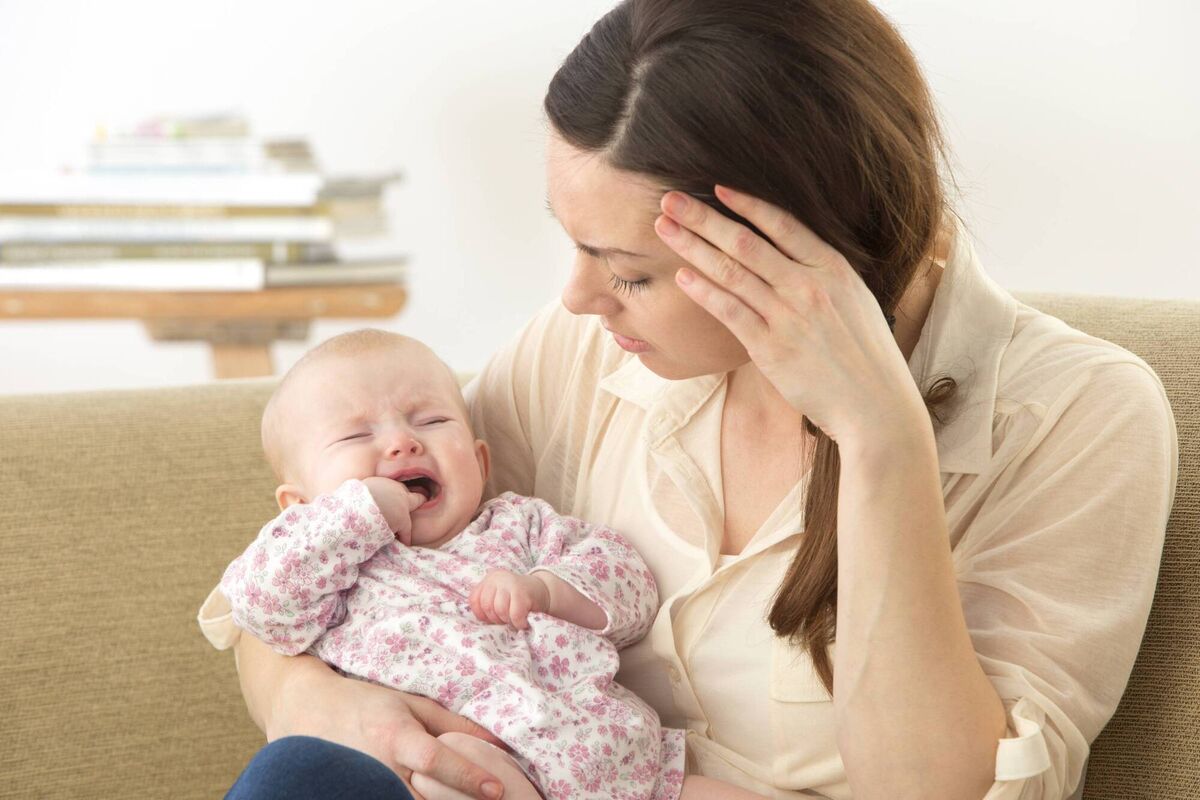
Support can vary from family to family, but commonly a doula will cook meals, help with older children while the parents bond with the newborn, and provide breastfeeding advice and emotional support in the early postpartum days. For Amélie, a doula sounded exactly like what she had needed during her difficult postpartum period. She was inspired to help mums like herself.
“I literally said,” she says, “this is what I want to become”.
When her youngest child was eight months old, she attended a postpartum doula training course that had come to Cork.
“I jumped at the opportunity,” she remembers. “And I did the three-day workshop, came home and told my husband: ‘I’m quitting my day job’.”
For Amélie, and the many Cork families that she has supported over the intervening ten years, the rest is history.
Becoming a postpartum doula was the former social care worker’s calling. She is a member of the Doula Association of Ireland and a specialist in postpartum nutrition.
“I love cooking for the families I work with,” she says. “Postpartum nutrition is my passion.”
Amélie has even developed a nutrition guide specifically for postpartum families – available to download on her website – full of simple recipes for healthy meals “that you can actually put together with pantry items in ten minutes”.
Commonly, Amélie will prepare dinners for the families she supports at lunchtime so that they can be just reheated at dinner.
Hours for a postpartum doula can vary and will depend on the nature of the support needed by each family.
“I’m very flexible.” Amélie explains, “because as my own kids are growing older, I have more hours to give. So it could be mornings when my kids are in school, or evening time when my husband is back from work.”
Support can also be provided for the night shift, dreaded by many parents of a newborn, as Amélie notes: “Let’s say I’m working with a family that has more than one baby. I can stay quite late at night because they want to have the time to put the other kids to bed, and baby might be feeding or fussy. Parents just need that kind of back-up, you know... But generally speaking, if the parents feel well-supported in the daytime, they can face the night better. So it’s often one or the other.”
The types of families seeking Amélie’s services – often via her website or social media channels, and preferably before the baby is born – have evolved over time. New parents of multiples are common - “if you have twins or more,” Amélie acknowledges, “you definitely want that extra pair of hands. Literally speaking!” - as are families with no local support in Cork.
Repeat clients are becoming more common, particularly as parents are becoming more empowered to create the kind of postpartum experience that they want.
“When I started out, I either had the first-time parents that hadn’t a clue what they were doing, and that had no support around them. Or I had the families that would get onto me saying, this is going to be the last baby and we want to make the most of it,” says Amélie.
“Now I have families who have loads of support, but they want to choose the support they’re going to receive. They do their research, and they know exactly what they want from the postpartum time.”
Some families may only require Amélie’s services for a day or two while they get themselves set up. She has supported others for up to six months. She offers gift certificates that can be purchased for families in advance of the birth. “We are lucky with the Doula Association of Ireland,” she adds, “because we are partly covered by Irish Life Health, so some people can get money back from their health insurance. We are hoping to have that from other companies in the future as well, eventually, but it’s a good start”.
Amélie is aware that the cost of a postpartum doula can be a barrier for families seeking support. This is why she’s on a mission to provide advice and information to as many people as possible beyond the traditional in-home model. “I think there’s a lot of education and early intervention to do in terms of postpartum care and information giving,” she says. “So I’m trying to reach out to more and more families in a more remote and virtual way.”
Amélie has recently established a new postpartum support newsletter, which she hopes will be helpful to as many new parents as possible.
Postpartum Times offers “gentle, practical support for the early days after birth,” explains Amélie. It shares tips and resources on nutrition, baby feeding concerns, emotional support, and more.
As well as numerous free resources, Amélie has also developed a series of workshops and masterclasses which are available to purchase on her website. Her aim is for these resources to be used not just directly by families, but in workplaces across Ireland.
“I feel like more and more workplaces are investing in their employees,” she observes. “You know, they have speakers coming in to offer mindfulness sessions and all these amazing things to look after their employees. People are under a lot of pressure at work, and I feel that if soon-to-be parents go off on maternity or paternity leave prepared for postpartum, and they feel their employers have helped them in that journey, they’re going to be much happier coming back to work when it comes to it.”
Amélie may have big ambitions to expand the remit of postpartum doula support, but she still loves the day job. She’s clearly passionate about her work, so what does she enjoy most about it?
“I think it’s the satisfaction of knowing that it makes a difference long term for the families. Those first few weeks or months are such a huge transition. It actually can make or break families, you know, and for women, it’s a lot of pressure. Asking for help doesn’t come naturally for too many women. We’re all taught to be strong and independent... So when a family feels vulnerable enough to say, ‘I think I will need that support’, then I’m with them for whatever amount of time they need.”
Amélie is proud to say that she stays in touch with every family she’s supported: “As I often say to the families I work with, ‘I’ve been your doula once, I’ll be your doula forever’. It’s that human connection that lasts.”
- See: www.mypostpartumdoula.com








 App?
App?


