‘If something doesn’t feel right, keep pushing until you are heard’
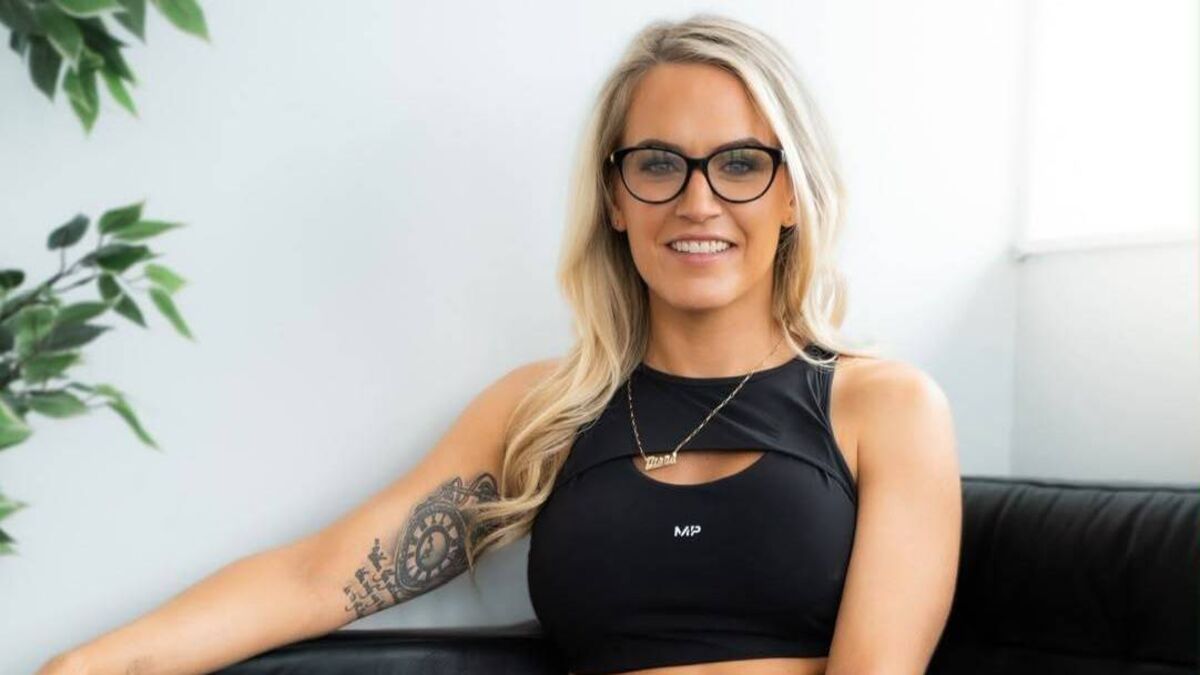
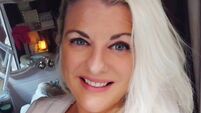
Diana Kelleher says it took her nine years to get her diagnosis of endometriosis
For almost a decade, Cork woman Diana Kelleher was searching for answers.
The women’s health coach and personal trainer underwent blood tests, renal scans, CT scans, ultrasounds, and countless medical appointments as doctors tried to determine the cause of the pain she had been experiencing for years.
At one point, the pain became so severe that she ended up in the Emergency Department.
Now, after finally being diagnosed with endometriosis, Diana is sharing her story in the hope that other women will continue advocating for themselves when something doesn’t feel right.
“It took me nine years to get my diagnosis,” Diana said.
“I knew something wasn’t right, but nobody could tell me what was causing it. There was a point where doctors thought it might have been my appendix,” she said.
Despite the extensive investigations, answers remained elusive.
Everything appeared normal on paper, yet Diana continued to experience symptoms that were affecting her daily life.
Like many women living with endometriosis, she found herself navigating a condition that is often misunderstood and difficult to diagnose.
Endometriosis occurs when tissue similar to the lining of the uterus grows outside the uterus. The condition can cause severe pelvic pain, heavy periods, fatigue, fertility difficulties, and a range of other symptoms.
For Diana, one of the biggest challenges was understanding why she was experiencing such significant pain when so many tests appeared normal.
After having her daughter, Kacey, her periods became so painful and heavy that she decided to have a contraceptive coil fitted.
The decision would provide years of relief.
“I had the coil for four years, and honestly, it changed everything,” she said.
“My periods were nearly non-existent, I didn’t have the same level of pain, and I felt great.”
For a time, Diana believed the issue had finally been resolved.
But when the coil was removed in 2023, everything changed.
The symptoms returned, only this time, they came back more severely.
The heavy bleeding returned. The cramping intensified. The pelvic pain became increasingly difficult to ignore, and that’s when she realised there had to be something else going on.
As doctors continued searching for answers, a CT scan finally revealed abnormalities, including lesions on her fallopian tubes and cysts on her ovaries.
While it was still not a diagnosis, it was the first indication that the cause of her symptoms might lie elsewhere.
The scan resulted in a referral to consultant gynaecologist Dr Aoife McSweeney.
For Diana, that appointment would prove to be a turning point.
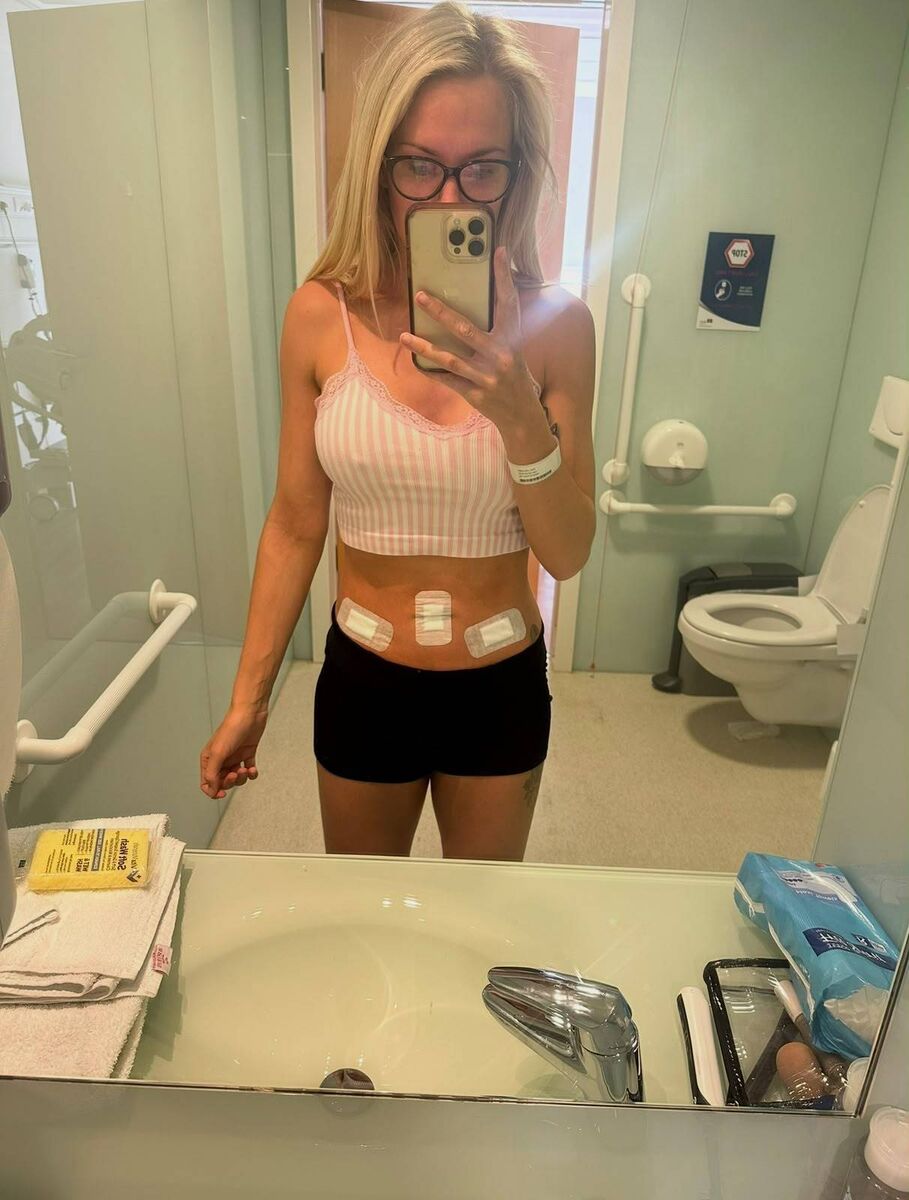
Based on Diana’s symptoms and medical history, Dr McSweeney strongly suspected endometriosis and recommended a laparoscopy.
The procedure was carried out in September, 2024.
After nine years of searching, Diana finally received confirmation of what had been causing her symptoms.
She had endometriosis.
“The surgery wasn’t a cure,” she said.
“But there has been a huge improvement in my periods, and for that I’m incredibly grateful.”
More than anything, Diana says the diagnosis brought validation.
“I wasn’t making it up. I wasn’t being dramatic. There was a reason for what I had been experiencing,” she said.
One aspect of the diagnosis surprised her.
Following surgery, doctors told Diana her endometriosis was considered mild.
After years of debilitating pain, she struggled to understand how something described as mild could have affected her life so profoundly.
“When my consultant told me it was mild, I couldn’t believe it because of the amount of pain I had suffered,” she said.
Her experience highlights an important reality about endometriosis. The severity of symptoms does not always reflect the extent of disease found during surgery. Some women with relatively small amounts of endometriosis experience severe symptoms, others with more extensive disease experience very few.
Now, Diana is determined to turn one of the most difficult chapters of her life into something positive.
Having recently completed her studies in Coaching and Coaching Psychology at University College Cork, she is waiting for confirmation of her Level 8 qualification, and hopes to combine her education with her own lived experience to support more women.
“I’ve learned so much throughout my own journey,” she said.
“I want to use my knowledge and my own experience to help other women.”
As a women’s health coach and personal trainer, Diana now hopes to focus even more on female health, particularly supporting women living with endometriosis and polycystic ovary syndrome (PCOS).
She believes there is still far too little awareness of conditions that affect thousands of women and wants to help bridge that gap through education, coaching, and honest conversations.
“I’d definitely love to dive more into female health, particularly endometriosis and PCOS,” she said.
“That’s really the pathway I’d love to go down.”
While awareness of endometriosis has improved in recent years, Diana believes many women are still told that painful, heavy periods are simply something they have to live with.
She hopes that her own story encourages women to trust themselves and continue asking questions if something doesn’t feel right.
Looking back on the past nine years, she knows how easy it would have been to give up searching for answers.
Instead, that journey has shaped the work she now wants to dedicate her career to.
Her message to other women is simple.
“You know your body better than anyone else,” she said.
“If something doesn’t feel right, keep pushing until you’re heard.”
After nearly a decade of pain, uncertainty and unanswered questions, Diana finally received the diagnosis she had spent years searching for.
Now, she hopes the next chapter of her life will be helping other women navigate theirs, ensuring they feel heard, supported and empowered to seek the answers they deserve.
You can follow Diana on her journey here: @diana_kelleher




 App?
App?


