Cork nurse's practical advice for staying safe in the sun
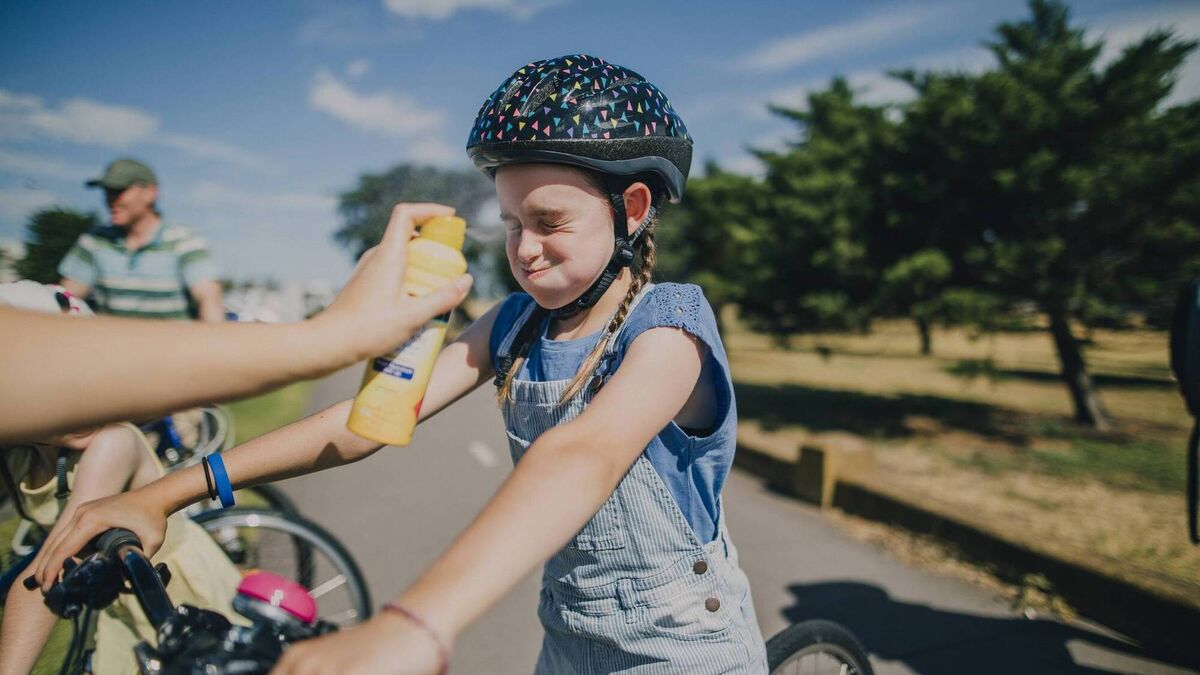
Nicola recommends getting into a daily habit around applying sun protection to children.
Get into the habit of having bottles of sun cream on the table, along with the breakfast cereal, so applying it gets built into the morning routine and no member of the family leaves the house without protection.
That’s the advice from Cork-based Irish Cancer Society nurse Nicola Whelan, who said she simply cannot highlight how dangerous a tan is.
“From May on, my three children don’t leave in the morning without wearing sun factor for the summer months. They may not always like it but they know why it’s important. It’s not to frighten anyone but to give the facts and the reality about what you’re trying to prevent,” she said.
More than 11,000 people are diagnosed with skin cancer in Ireland every year.
It can take years, and even decades, for some skin cancers to develop and children who get burnt have an increased risk of developing the disease.
“I think it would help if sun creams were available in parks and other public spaces. We’ve all run out of the house and forgot sun cream at one time or another and if it was something readily available, it would become the normal practice, and become part of your daily routine," Nicola said.
While some sun protection products can be expensive, Nicola says that the price shouldn’t be the deciding factor in what you buy, it’s about how much protection is on offer.
"Even on a cloudy day, UV rays get through the clouds, so you need to protect the skin as a UV Index of 3 or above poses a risk, and that information is shared with national forecasts, but precautions should be taken all the time,” she said.
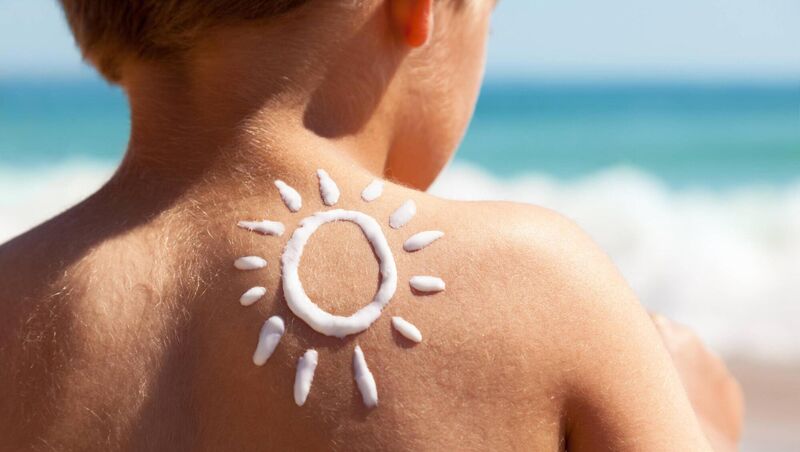
Behaviour and awareness around staying safe in the sun is improving, but there’s still a lot of misinformation out there about being sun smart.
“For example, people might think that once they get burned, there’s no point applying sun protection, and that isn’t the case, as the greater the burn the higher the risk of skin cancer. Also, it’s important you reapply every two hours, even if you haven’t been swimming and to apply at least 20 minutes before going into the sun.
“It’s really important to know that even water-resistant sun cream will need to be reapplied more frequently after you’ve been swimming, if you are perspiring a lot and if you’ve towel dried yourself,” she said.
There can also be some confusion when wearing make-up that has SPF.
"It may not offer enough protection, so it’s all about checking those numbers, maybe wearing an additional SPF.”
What Nicola says she can’t highlight enough is that tanned skin isn’t healthy skin, but damaged skin.
“So it’s about reversing a trend where people tan themselves,” she said.
And for those who feel sun exposure is needed for vitamin D, Nicola disagrees.
“It all comes down to risk-benefit. You can get your vitamin D through your diet – the risk of being in the sun is far greater.”
Other misconceptions are that sitting behind glass offers protection.
Alarmingly, some people think using a sun bed, classed as a level 1 carcinogen, is safer than going in the sun.
“If sunbeds are used before 18, there is a 75% increased risk of developing skin cancer,” said Nicola.
Ultimately, if someone has any doubt about a mole that’s changed shape, or has become itchy or is bleeding, they should speak to their GP.
“There’s no need to feel embarrassment or fear. There will be no judgment. It’s safer to get it checked out, because like all cancer, the sooner you get it checked, the better.”
- Slip on clothing that covers your skin.
- Slop on sunscreen: make sure it has both UVB and UVA protection. SPF 30+ for adults, SPF 50+ for children, with high UVA protection and water resistance. Check the star rating of 4 or more or a UVA logo which shows the UVA protection. Reapply regularly. Put plenty of it on dry skin 20 minutes before they go outside, especially to those areas not often exposed to the sun. Reapply every 2 hours or more frequently if in the water/sweating /towel drying.
- Slap on a wide-brimmed hat
- Seek shade, especially between 11am and 3pm, and keep babies and young children out of direct sunlight.
- Slide on wraparound sunglasses with strong UV protection.
This article originally appeared online on during May 2025.







 App?
App?


