Dr Michelle O'Driscoll: How much physical activity do we really need? 
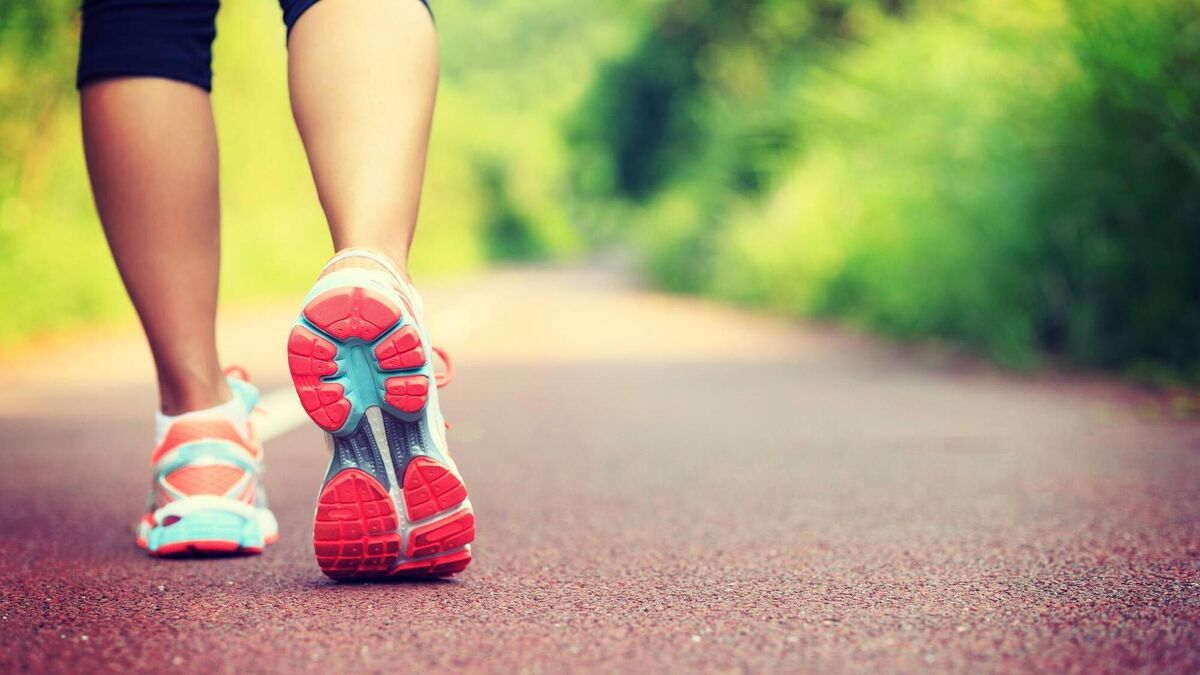
Dr O'Driscoll looks at the latest physical activity guidance and shares some tips on activities that can get the blood pumping. 
Dr Michelle O'Driscoll: How much physical activity do we really need? 

Adults aged 18-64 years should aim to get at least 2 hours and 30 minutes of moderate-intensity aerobic physical activity, or at least 1 hour and 15 minutes of vigorous-intensity aerobic physical activity throughout the week.

We intuitively know the benefits that we get from physical activity, we can feel it! It gets the blood pumping, blows away the mental cobwebs, makes us feel rejuvenated and healthy, ready to face our day.

It’s not just a placebo effect though. The benefits of movement for our health are significant. Our mood, sleep, heart health and bone health are improved, and our risks of chronic diseases and cancer are reduced.

On the flip side, for many, we’re spending more and more time day-to-day at our desks, on computers, driving, , or sitting scrolling on our phones.

This sedentary time can cancel out the activity done previously, and its associated benefits. Moving more where possible is highly recommended to protect our health.

In pregnancy and after having our baby, movement is just as important, but can be much harder to incorporate into our day.

Our time is very much taken up with caring for a newborn, or navigating physical challenges such as pelvic girdle pain, back pain and fatigue. Support in how to build activity into an incredibly busy day is needed, with safety in mind also.

This is why the National Physical Activity and Sedentary Guidelines for Ireland were developed – to make it very clear what choices we can make as a population as a whole to address this balance between physical and sedentary activity.

In the most recent update to the guidance in recent weeks, it provides advice for activity incorporation during pregnancy and postpartum also.

Limiting sedentary time where possible is recommended, replacing this time with any type of movement. Screentime on TV, tablets, computers or phones is the biggest culprit for sedentary time in our day, and this is named as needing to be addressed.

Activity level recommendations are broken down by population group in the guidance, and below are some of the key points:

Adults aged 18-64 years should aim to get at least 2 hours and 30 minutes of moderate-intensity aerobic physical activity, or at least 1 hour and 15 minutes of vigorous-intensity aerobic physical activity throughout the week.

Muscle strengthening of all major groups should feature at least two days per week.

Older adults (aged 65+) should focus on functional balance and strength training on three or more days a week, to enhance capacity and prevent against falls.

In pregnancy, regular physical activity should be maintained throughout, with a variety of aerobic and muscle strengthening approaches, in addition to pelvic floor exercises. Postpartum, one can gradually resume physical activity to return to usual levels, weekly exercise the equivalent of five 30 minute sessions for five out of the seven days. From early postpartum, the pelvic floor muscles should be built back up.

It’s not just our own activity levels that we need to consider, it’s also our children’s. Infants should begin with interactive floor- based play several times a day, increasing to movement of different types as they gain the skills of walking and running. Moderate to vigorous activity should feature as part of the physical activity of children age three or over, and the reduction of sedentary activities for all kids is beneficial to their health.

While this is all well and good, finding the time for this movement can be a challenge.

Some ways to get that activity in during the day include:

  • Weights at home – you don’t need a fancy gym, muscle strengthening can be done on your living room floor, or in the garden with items from your kitchen cupboards as weights if you need to.
  • Walking pads – these are revolutionising how we get our steps in during unpredictable weather or time-poor days. These are not bulky like a treadmill, but can be used more easily around the home or even under your desk, folding neatly away when not needed. This isn’t a splurge that you have to make though, walking outside is free!
  • Smart watches – being able to measure things like steps, sleep quality, and heart rate can help us to quantify our progress in relation to our health, seeing the numbers track in the right direction can give us momentum to build on further.
  • Youtube – While there are lots of paid programmes out there, and some benefit from coaching, Youtube really is a goldmine of supportive videos and ready-to-try exercise routines. There’s nothing like following along to keep you accountable for that last set of reps! Choose the duration that suits, whether it’s ten minutes or 30, and gradually build your capacity.
  • Accountability buddy – don’t go it alone, and get a friend involved in carving out the time for activity. Walk and talk, fit in that catch up as an extra win, and you’ll be feeling physically and mentally better before you know it, with the feelgood endorphins flowing.
  • A family affair – the physical and sedentary guidelines apply to every family member, so think about ways to get all involved in upping that step count, and moving more. A picnic at the end of a walk or trek is always a good incentive!
  • Screen time audit – reducing time on our phones creates space for time more positively spent. See how many hours you’re spending on different apps, and consider what might help to reduce this e.g. time-outs, deleting of apps, no phone at the dinner table, etc.

The National Physical Activity and Sedentary Guidelines for Ireland are a good prompt for increasing our movement and its intensity, hence improving our wellbeing. Implementing even some of what it recommends will help to ensure that we’ll be physically well able to run after our grandkids in years to come!

The benefits of movement for our health are significant. Our mood, sleep, heart health and bone health are improved, and our risk of chronic diseases and cancer are reduced.

Read More

5 ways to transform your wellbeing this summer

More in this section

Pictures: Women descend on Cork's City Hall for special event to mark IWD  Pictures: Women descend on Cork's City Hall for special event to mark IWD 
Woman Doctor Or GP In Office Meeting Teenage Female Patient For Appointment Dr Catherine Conlon: Health issues every woman should know about
Julie Helen: 'I feel relieved that I have made it to 41, beyond all the warning milestones' Julie Helen: 'I feel relieved that I have made it to 41, beyond all the warning milestones'

Sponsored Content

The power of the G licence The power of the G licence
Happy couple receiving new house keys from real estate agent Time to get to grips with changes in rental laws
Boatbuilder turned engineer proves alternative paths can lead to success Boatbuilder turned engineer proves alternative paths can lead to success
Contact Us Cookie Policy Privacy Policy Terms and Conditions

© Examiner Echo Group Limited

Add Echolive.ie to your home screen - easy access to Cork news, views, sport and more