"A career and a care-load! How wonderful! Of course women are at a disadvantage."
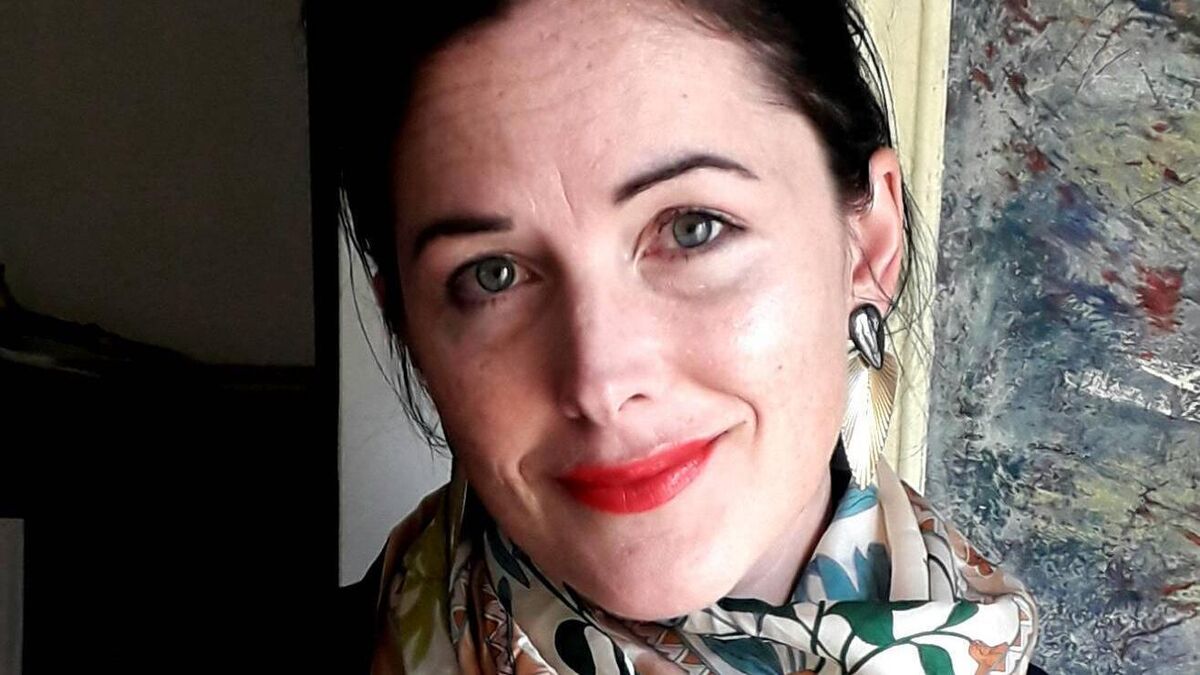
Teacher Jennifer Horgan.
I’m a mother and have always felt so fulfilled by that and sure of that. But I’m also someone whose work is important to who I am, both in terms of my values and my sense of myself.
Equity, for me, means that those in my community support all the sides of me, not just in words and curated posts on social media, or bureaucratic language, but in true accompaniment with me when it comes to the day-to-day lived experience of being a full human, rather than just a role (mother, wife).
I’m a straight, cisgendered person in a relationship with same. I am so lucky to have a partner who was happy this year when I secured a new position, to let his own work take a back seat as he became the primary caregiver to our child, so I could focus on making the best start in this position.
At the same time, he’s had to endure comments by others outside our family who overstep and suggest that, as a man, his career should be more important.
He’s put up with jokes and asides about his extra time spent with our daughter, as if that’s something to be ashamed of. He gently corrects people who praise him for tackling parenting tasks that mothers often slog through without applause. He has to be strong and secure in himself to do this, but his support has allowed me to feel free to be the best I can be, rather than spending all my time babysitting his emotions and backing myself into a corner. It also sets an example for me to accompany others and promote allyship where I’m able. Equitability breeds stronger communities.
I’m a secondary school teacher working in Cork. Equity is part of my everyday life because teaching is so often about identifying different needs and responding to them accordingly. One size certainly does not fit all.
Our current education system is inadequate in many ways but I’m always cheered by the wonderful people working within it. Many of them are women.
This idea that women get to ‘have it all’ is so damaging and inequitable. A career and a care-load! How wonderful! Of course women are at a disadvantage. The equal rights offered in their places of work ignore the inequity embedded in their personal lives - their many responsibilities caring for others, young and old. How about women manage an equitable share?
I’d love to imagine that, some day, Ireland will recognise this in concrete economic terms and come to support the difficult work of caring. And that more men in Ireland will learn to do their share.
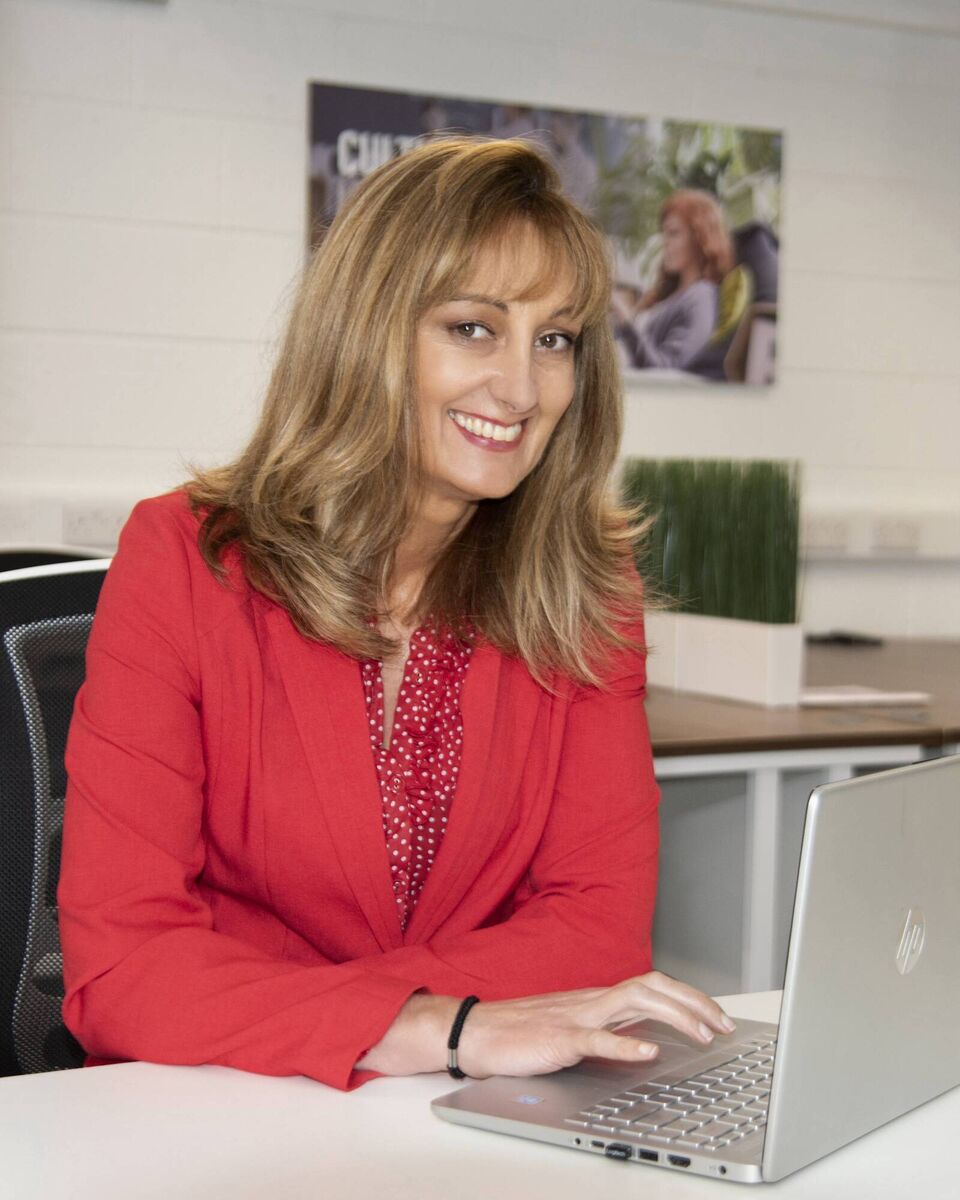
Our goal is to make equity in the workplace less of a box-ticking exercise and more of a tangible reality across every sector.
We are delighted to see many companies more open to the idea of flexibility in the workplace, post Covid, and while offering authentic flexible work is not the silver bullet to solve inequity at work, it does go a long way to levelling the playing field.
When we talk about embracing equity, we need to think about everyone in society, not just the gender imbalance, but welcoming everyone; people who have mental and physical disabilities, people with caring responsibilities, people from ethnic minorities, older people and anyone really who is facing barriers.
As Mary McAleese put it: ‘If men aren’t on board, we end up with this world that flies on one wing, and I don’t know if you’ve ever seen a bird that tries to fly on one wing? It can’t get elevation, it can’t get direction, it flaps about rather sadly.
‘And that’s our world, flapping about rather sadly because of the refusal to use the elevation and the direction and the confidence that comes from flying on two wings.
‘And the sad thing is that very often this male wing seems to think it has to spend a lot of effort keeping the other wing down. And that’s wasted effort, it’s wasted lives. It has caused dysfunction in relationships, it has caused dysfunction in families, in communities, in workplaces, in politics, in international politics, in warfare. That’s where we have to understand that when women flourish and their talents and their creativity flourish, then the world flourishes and men flourish.’
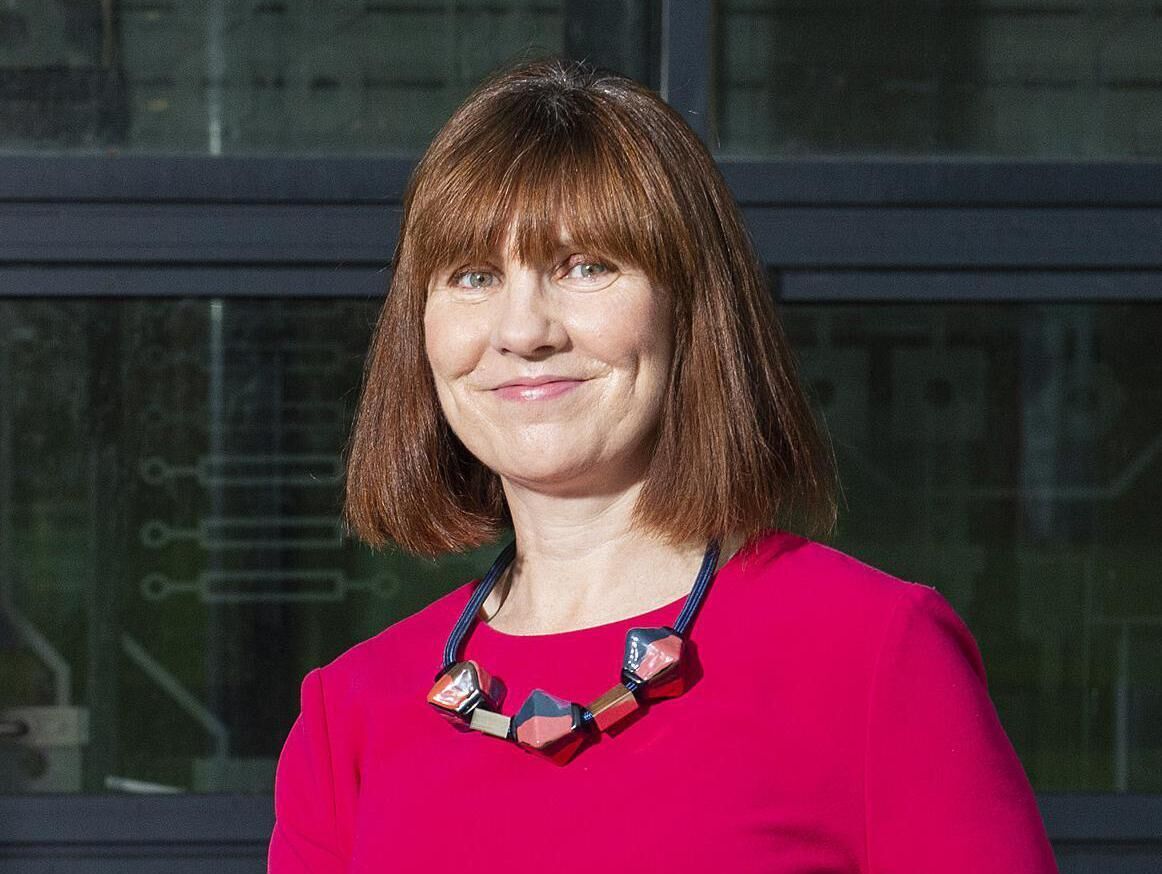
We know that there are still too few women working in STEM jobs in Ireland. Recently I walked into a meeting room of my peers across industry, one of the first such meetings after Covid and noticed I am no longer one of two or perhaps three women in a room full of men. It’s extremely encouraging and satisfying to witness the growing numbers of women in leadership and witness first-hand the talent and contributions of women in tech as they too get to enjoy an extremely diverse and constantly changing career.
I recall my own then 16 year old daughter who is a ‘graduate’ of I Wish, stating most emphatically she would not be studying stem subjects for the Leaving Cert. Two days ago, aged 20, she screens shot me her 10/10 marks for her latest Bio-chem. lab assignment and I smiled. That’s my girl.
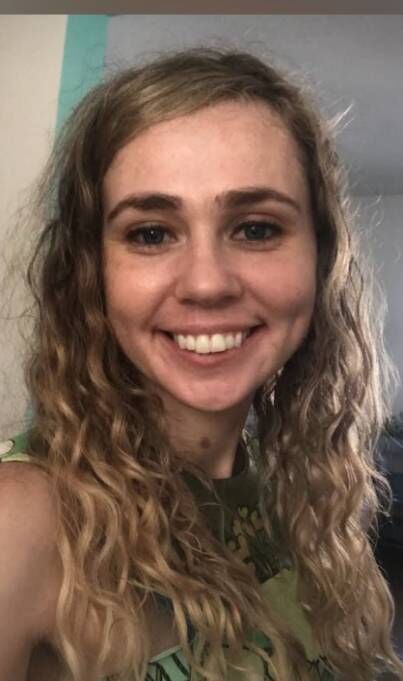
Everyone’s situation and life is different. For me, equity highlights that differences are not deficiencies.
In my coaching practice, I meet women that struggle to identify what is fair and equitable in their lives.
My coaching encourages equity by providing an impartial space. I help work out a person’s strengths, values, challenges, resources, and hear their story – when this is done, someone can work out what is equitable in their lives. This can lead to making changes in relationships, at work and at home.
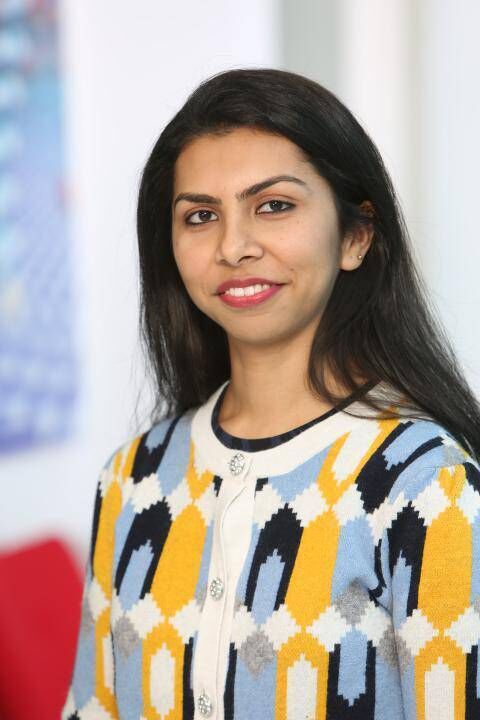
The concept of equity has always been to personalise equal opportunities and fairness to accomplish a great collective success. It is something we talk about, write about, campaign about every day, but what it actually needs is to be celebrated every moment. It requires a change in the thought process. It entails a practice of being fair to men and women.
To ensure its practice, strategies and measures must be in place to help everybody to function on a level playing field. Mostly women are excluded from decision-0making and denied access to economic and social resources. Therefore, a critical aspect of endorsing women empowerment is embracing equity.
Today, I am a Ph.D. student in the Biophotonics group at the prestigious Tyndall National Institute, at UCC, where my research work focuses on the diagnosis of early-stage oral cancer to improve survival rate and post treatment quality of life.
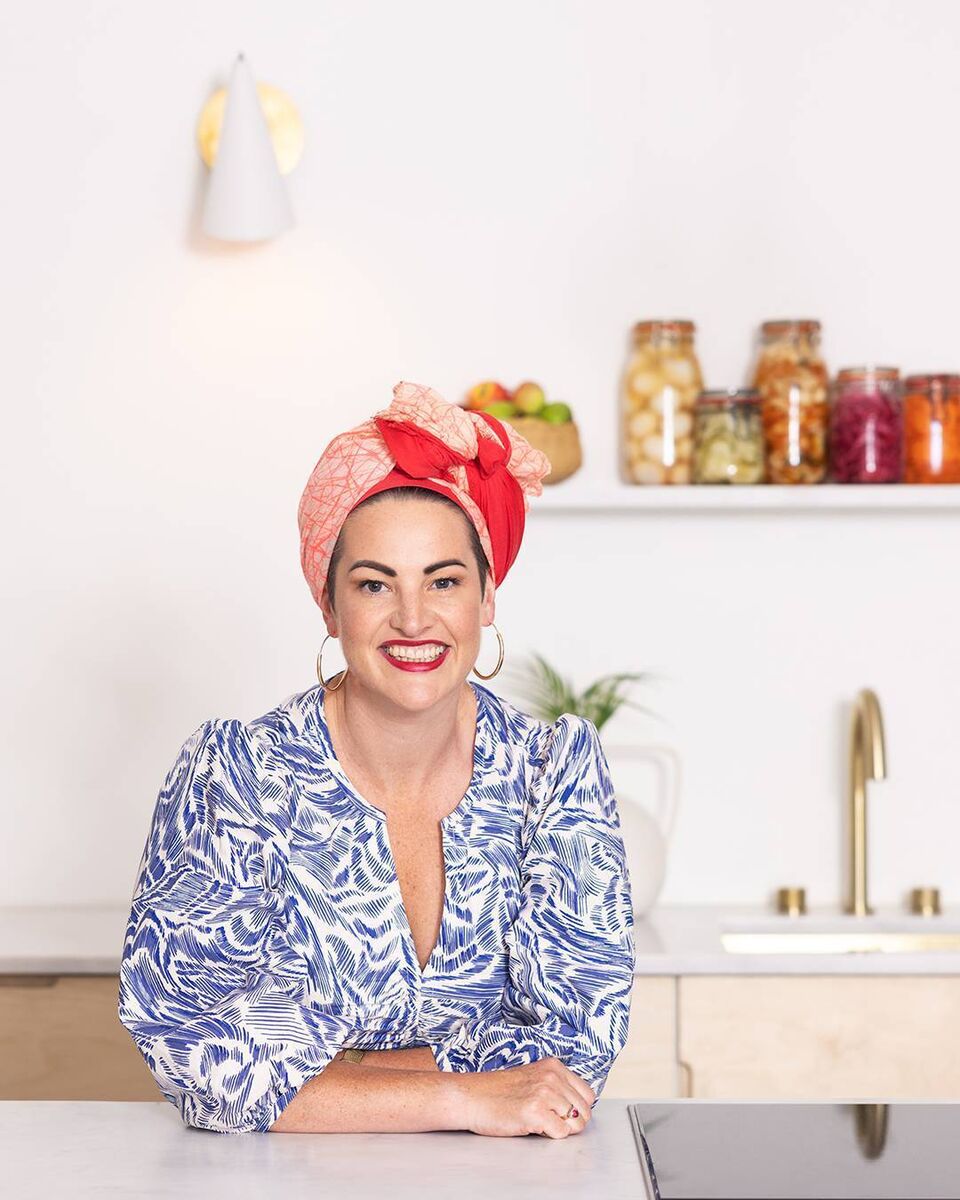
Fairness and equality are two of my core values. In business it is extremely important to me that all those involved in helping me to create an exceptional event are justly rewarded for their contribution. Be they, growers, producers, wait staff, chefs, florists or cater hire suppliers. I extend that also to my clients.
A good business has a duty to respect others and make a real contribution to the community it belongs to so that its existence enriches all. This is equity and fairness in action, and at the very core of everything I do.
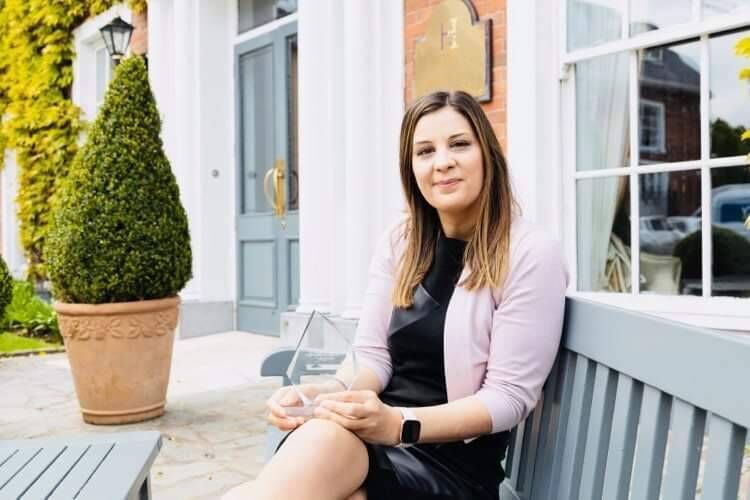
, Senior , , Johnson & Johnson & Leader for all J&J Ireland companies
EmbraceEquity is an invitation to embrace one another’s uniqueness. Truly embracing our differences is how we can have a chance in the future! Companies that truly champions diversity and inclusion, in all aspects of their business, statistically outperform their peers!
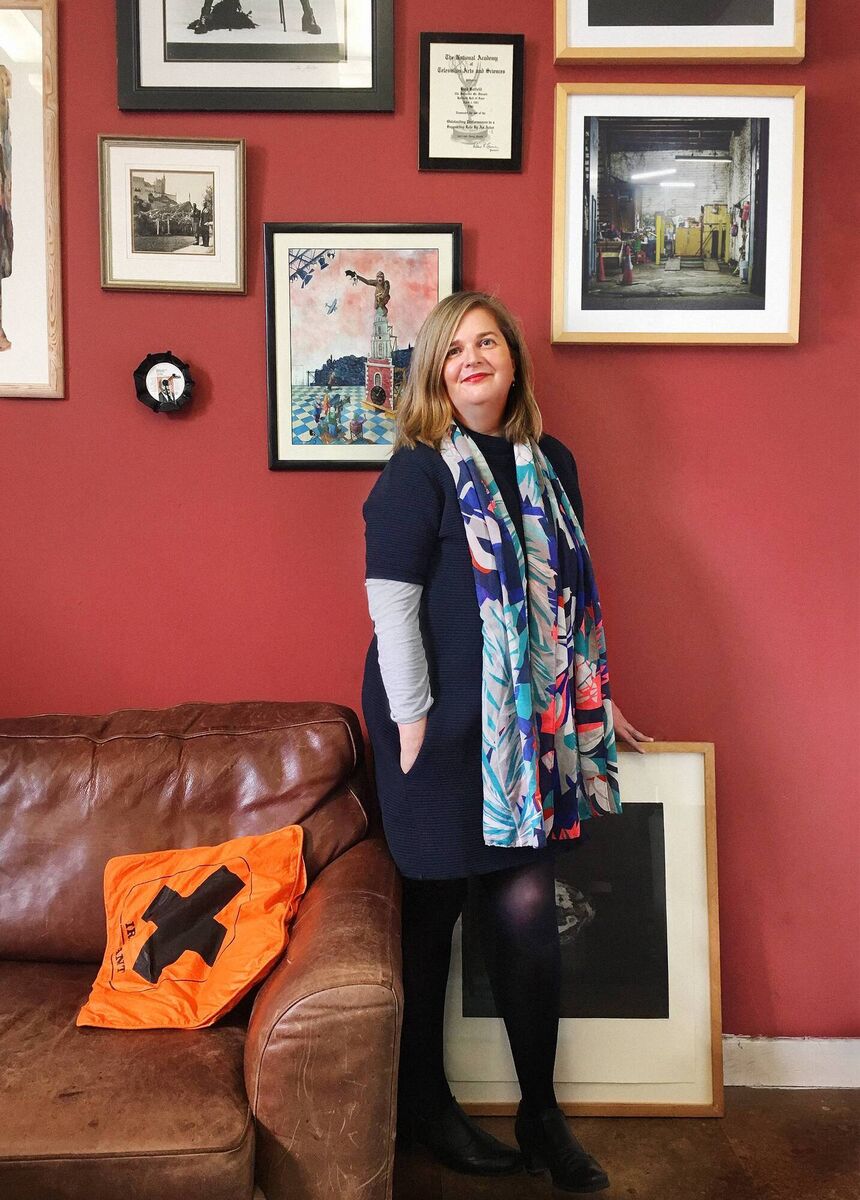
I’m the author of two Cork-set crime novels, Darkest Truth and Cruel Deeds, with a third book featuring lead character Finn Fitzpatrick coming later this year. In my day job, I work as a solicitor with Finbarr Murphy Solicitors on Washington Street. In my opinion, the greatest obstacle to equity is the housing crisis.
Our number one goal as a society has to be secure and affordable housing for all. In order to achieve that goal, we can’t rely on builder led development or on the private sector.
I have worked as a Senior Executive Solicitor with Cork County Council since 2011. I studied languages (German & Italian) in UCC, before embracing the law. I find my role as a public servant to the people of Cork very rewarding. No two days are ever the same.
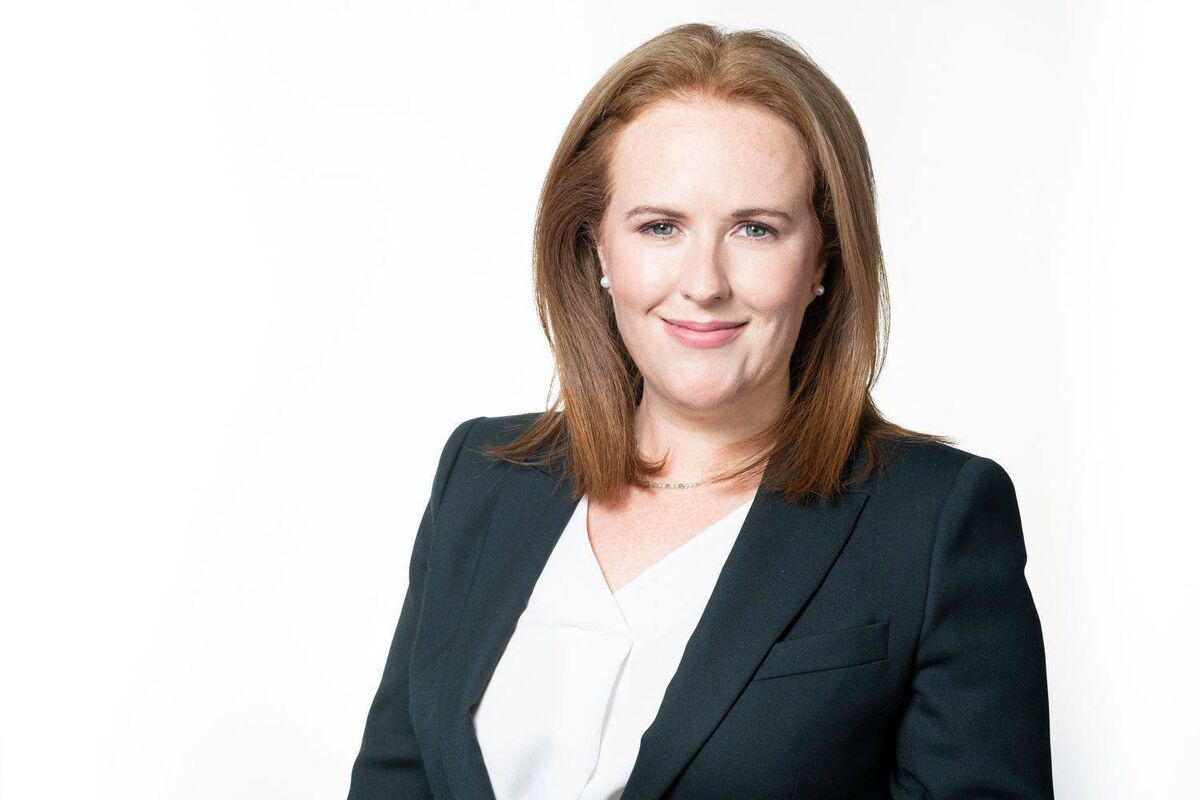
As Director of Operations for Trigon Hotels, I get to work with a hugely diverse team and customer base. A massive learning in my own career is that, while we should treat everyone equally, we do need to manage/engage with people differently as everyone has different needs and are coming from different places in their lives. The definition of equity really resonates with me in this respect and I hope to continue to develops this and keep it as one of my core values.
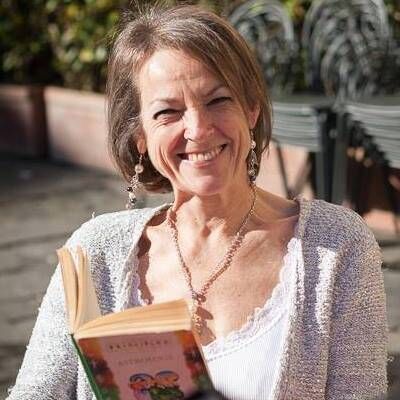
I help clients transform their lives by gaining a deeper understanding of themselves through their natal birth chart. Which helps them make informed decisions and leads to a more fulfilling life.
Equity means to me to be given the same space and time as men, whether physical or metaphorical. Time and time again, I have seen men being given more time at meetings or workshops, or I have seen women automatically defer to the man in a room full of mostly women.
I have been at all sorts of meetings, including social ones, where men talk for four or five times longer than women, and no-one puts a time limit on it! I also see men being given more physical space in meeting rooms, or taking up other peoples pre-booked space in co-working and other work situations, both here and in the USA. No one even notices it happening!
Boundaries around space and time limits for all at all sorts of meetings would go a long way!







 App?
App?


