Best in Cork - 50 years since the soccer star lined out for Cork Celtic
This Christmas marks 50 years since George Best lined out for Cork Celtic. CONCUBHAR Ó LIATHÁIN takes a look at the game and how it all came about.
Best in Cork - 50 years since the soccer star lined out for Cork Celtic

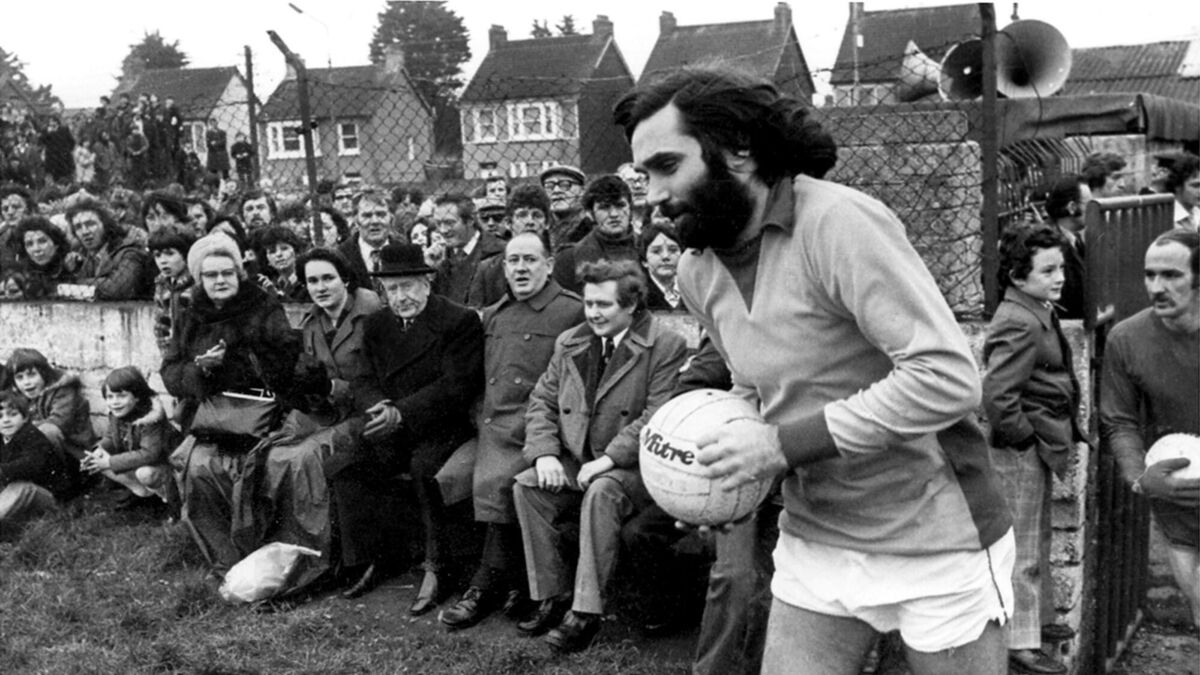
George Best turning out for Cork Celtic at Turner's Cross during the mid-seventies. 

Christmas in Cork during the 1970s could have been described as a dark and gloomy place of few highlights. For those of my generation, such a highlight might have included a visit to Santa at Cash’s on St Patrick Street. However, in 1975, the city’s soccer fans, were keenly anticipating another visitor famous for wearing a red outfit.
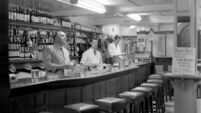
One of the world’s best players, a former ‘Red Devil’ was to play in the colours of Cork Celtic.

A new TG4 documentary, George Best I gCorcaigh/George Best in Cork, tells the story of the three games played by the Belfast-born maestro for the 1974 League of Ireland First Division champions, just seven years after he had starred in the win by Manchester United over Benfica in the European Cup final.

The film, by the appropriately named Dearg Films, takes us back to those black and white days, to an era when the average price of a ticket to watch Cork Celtic play at Flower Lodge cost 50p and players for the champions could expect to get a match fee of £12 or £15. According to the Central Statistics Office, the weekly wage in Cork that year was about £56.30.

As participants in this documentary tell the story, Best was a free agent in 1975, having parted ways from Manchester United the previous year after falling out with the club’s then manager, Tommy Docherty. The Scots man had taken a dim view of the Belfast man’s failure to turn up for training for three days in a row.

In 1975, Best was only 29 years of age, not exactly over the hill for a soccer player, but his hedonistic lifestyle had taken its toll. As he said afterwards, alcohol was taking the decisions for him at that stage in his career - and they weren’t the choices that would keep him at the top level of the game.

Cork at the time was dependent to a large extent on three major employers, Ford, Dunlops, and the Verolme shipyard.

Stormy times were ahead for the three companies and, within a decade, they would be closed, and, in the mid-70s, their heyday was in the rear view mirror, much like the best years of Best’s career.

Having won the title the previous year, Cork Celtic were not in the best place mid-season in 1975. Attendances were down, money was tight and desperate measures were needed to keep the club afloat. At the time, Bobby Tambling, a former England international who scored 202 goals for Chelsea, a record only surpassed in 2013 by Frank Lampard, was playing with Cork Celtic, and he was asked to approach George Best.

It was felt that a star of George Best’s reputation could boost the attendance for Cork Celtic and inject a measure of glamour and excitement into the club. When George did arrive on Leeside on December 27, he stayed at the Country Club in Montenotte and according to some accounts, had the “biggest steak” they had ever seen for lunch two hours before the match against Drogheda United the following day.

A crowd of 12,000 packed into Flower Lodge, an alternative venue selected because it would accommodate a larger crowd than the ground at Turner’s Cross, a gate which netted receipts of £6,000 for the club. A fee of £1,000 per match was to be paid to Best, a sum equivalent to €15-20k in today’s money - not bad for an afternoon’s play but peanuts when compared to the sums paid to current Premier League stars.

Four of the players who lined out on the Cork Celtic team that day are featured in the TG4 documentary - Bryan McSweeney, Jerry Myers, Alfie McCarthy, and John ‘Blondie’ Carroll. Their memories of the era ranged from getting £12 to play a match, just £4 more than the fee to play for the reserves, and travelling by car to play, and an away match against Sligo Rovers and not returning home until 1.30am on Monday and having to be up a few hours later to go to work on their day job.

Best got to meet his new teammates shortly before the game. “I’d say he got some surprise when he saw the dressing rooms here,” said John Carroll. According to Jerry Myers, Best was a grand fellow but “quiet”.

On the field of play, Best gave only fleeting glimpses of his class, and the curious crowd were disappointed that their high expectations had not been met.

“From what we saw on that day, it was clear that his best days were behind him,” Liam Weir, RTÉ Ráidió na Gaeltachta’s GAA commentator, told the film-makers.

The verdict of Cork legend Jimmy Barry Murphy, who himself played League of Ireland football for a short spell, was equally damning. “He was purely going through the motions, he contributed very, very little.”

The headline over veteran Examiner soccer writer Bill George’s match report the following day was ‘Best draws the crowd but does little else’.

Best would play twice more for Cork Celtic, once on the winning side, where he came close to scoring a goal in front of an expectant home crowd at Turner’s Cross during what was adjudged to be his best performance for the local side. His effort drew a fine save from the Bohemians’ goalie.

Late on in the game, Cork Celtic won a penalty, which the crowd expected and called for Best to take, so the great player could score for Cork. Bobby Tambling, who had taken over as net minder after Bertie O’Sullivan was injured, took it himself, much to the chagrin of the 9,000 in attendance. He missed. According to Trevor Welch, who attended as a young lad, this was unforgivable.

There would be one final appearance for Cork Celtic, an away match against Shelbourne for which the Dublin club stumped up the match fee, and what would have been a dream fixture against Waterford, who included Bobby Charlton on their side, never came off after Best was a no-show.

Best would go on to play for a number of clubs including the Los Angeles Aztecs as well as Fulham.

Cork Celtic would go on to attract some stars, including Geoff Hurst of England’s 1966 World Cup victory fame, but by the end of the decade, the club had folded.

Years afterwards, during an appearance on the Late Late Show, Best told host Gay Byrne, in response to a question about what he would say to those who said he had wasted his life and that he should catch himself on. “People who keep saying that are people who haven’t had a life.” The games he played in Cork city, 50 years ago this Christmas, remain golden memories for those who were there and can tell the story that they saw one of the game’s best ever players in action.

George Best i gCorcaigh will be broadcast on TG4 on St. Stephen’s Day at 8.15pm and on the TG4 player at TG4.ie

Read More

Memories of life on Horse Island: ‘It was hard, but they were great people’

More in this section

Throwback Thursday: ‘I’ll always remember the glow in the sky’ Throwback Thursday: ‘I’ll always remember the glow in the sky’
Throwback Thursday: Pioneer trips, and boy scout reminiscences Throwback Thursday: Pioneer trips, and boy scout reminiscences
Throwback Thursday: The Cork gate-crashers who tried to con Pioneers Throwback Thursday: The Cork gate-crashers who tried to con Pioneers

Sponsored Content

River Boyne in County Meath, Ireland. Water matters: protecting Ireland’s most precious resource
Turning AI ambition into action: Dell Technologies leads the way Turning AI ambition into action: Dell Technologies leads the way
Delicious desserts and exclusive pours, perfect for Christmas Delicious desserts and exclusive pours, perfect for Christmas
Contact Us Cookie Policy Privacy Policy Terms and Conditions

© Examiner Echo Group Limited

Add Echolive.ie to your home screen - easy access to Cork news, views, sport and more