Religious order marks 150 years in East Cork
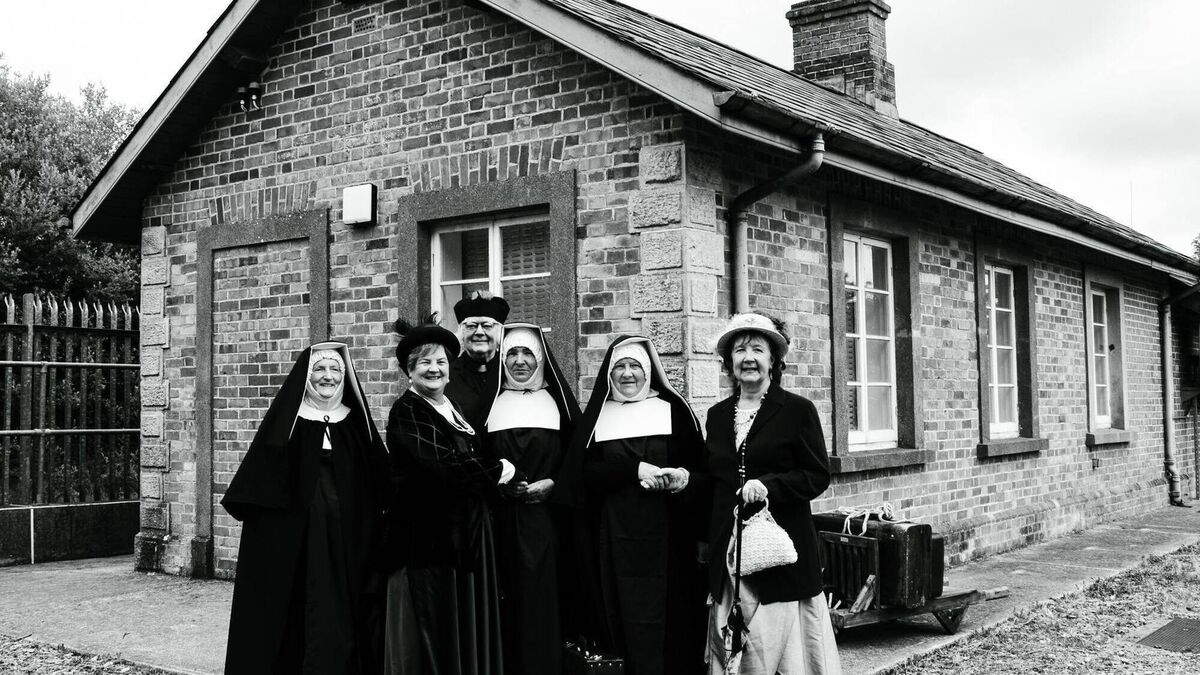
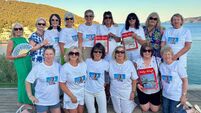
A re-enactment was held at the Old Station House, Carrigtwohill, to mark 150 years of the SMG in the village.
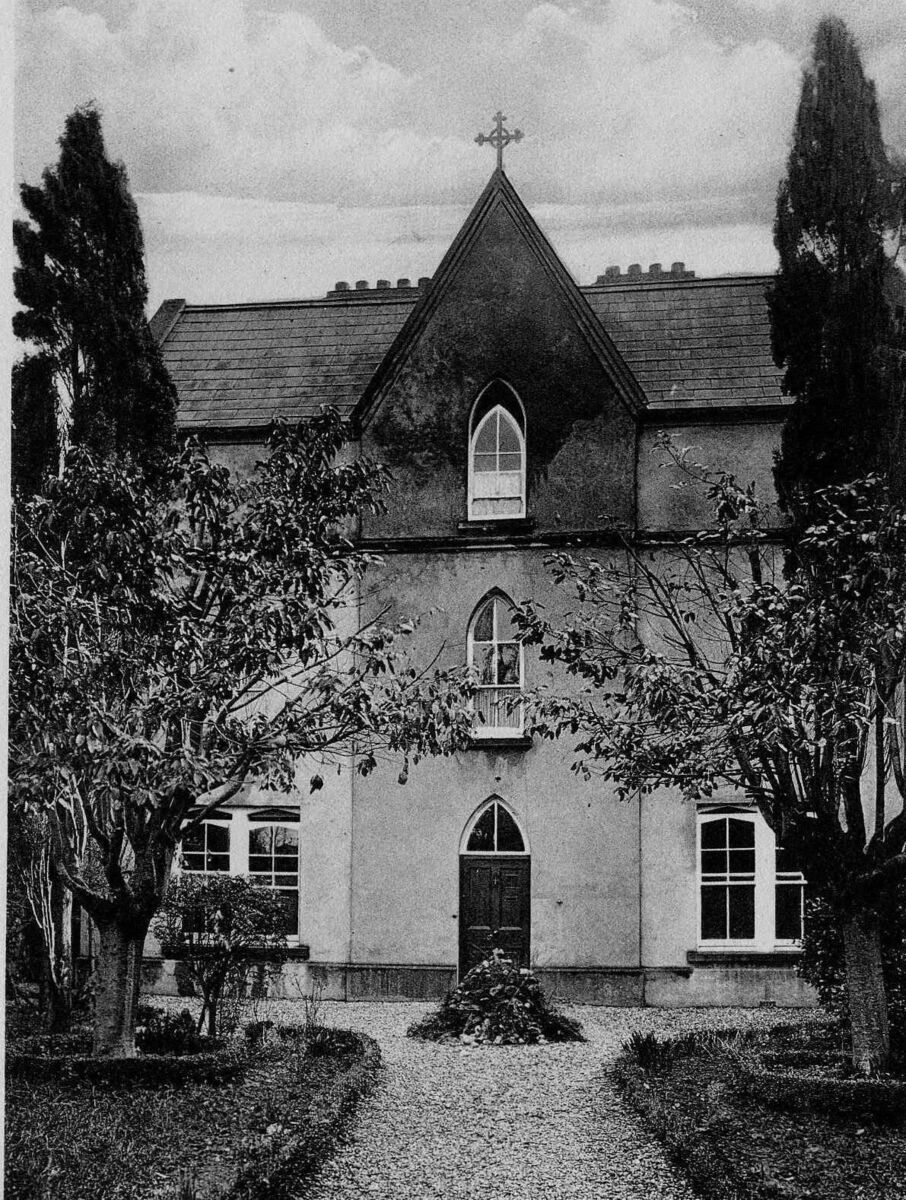
Did you know about the convent with Polish links which was set up in a village in Cork in 1855, ten years after the Famine?
Many towns in Ireland at that time boasted convents where education became available to people.
When local woman Dora Fitzgerald approached Fr Seymour, then PP of Carrigtwohill, to ask if he was willing to accept an order of religious sisters from England, but with Polish connections, to the village, he was more than happy to give them a warm welcome.
Their Polish roots lay in a religious congregation of women, founded by St Edmund Bojanowski, to work in the fields with the peasants around Stara Wiese, southeast Poland, close to the border with Ukraine.
This English order, the Poor Servants of the Mother of God, had been in existence for just three years.
Ministry to the poor was their overriding goal.
The foundress, Frances (Fanny) Margaret Taylor (1832-1900), daughter of a Lincolnshire Church of England clergyman, was bereaved of him at age 10. Consequently, the whole family had to relocate from their Lincolnshire parish back to London, and closer to family and former friends. This move, from a rural setting to a busy, poverty-stricken Victorian London, had a lasting impact on Fanny.
At that time, the Industrial Revolution was gathering momentum, and as some sections of English society became well-endowed financially, so did the poverty gap widen among the poor, the uneducated, and the foreigner on the margins.
Ireland was still a part of the British Empire, governed through a viceroy and an administration based in Dublin Castle. This controlled the civil service, the legal system, the military, and the police.
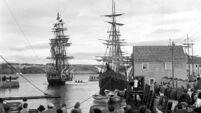
Ten years before the Sisters arrived at Carrigtwohill Railway Station, the Great Famine of 1845 – 1851 had almost decimated Ireland’s population, with about 1 million deaths from starvation and/or hunger-related diseases.
It is well known that more than a million people emigrated, peopling countries worldwide. With the loss of almost a quarter of its population, Ireland was well weakened socially and politically.
There is no doubt that it did not lose its faith in God during these terrible times; rather, it was strengthened.
During the Crimean War, Frances (Fanny) Taylor volunteered as a nurse at Koulali Military Hospital, alongside Florence Nightingale.
It was on Good Shepherd Sunday, 14 April 1854, that she made the life-changing decision to become a member of the Catholic Church.
On returning from Crimea in 1855, Fanny used the next few years writing such works as Eastern Hospitals and English Nurses, Tyborne, Irish Homes and Irish Hearts, Religious Orders, editing The Lamp and TheMonth Catholic magazines. She famously published the initial texts of the Dream of Gerontius, written by her contemporary and friend Cardinal Newman.
Following some years as an author and concurrently discerning her pathway in life, Fanny became involved in addressing the needs of the London poor, particularly the Irish in the areas of Soho, Hoxton, Marylebone, and Tower Hill.
Back in Victorian London, Fanny found it difficult to comprehend the antagonism meted out to Irish people. Here, there were large pockets of Irish emigrants who were unable to find work at home.
Fanny Taylor’s heart reached out to them. What was she to do?
Fanny went on to make a tour of the entire island of Ireland, seeing how the Religious Orders addressed the needs of the poor. She was able to reach such organisations, financially helped by Lady Georgiana Fullerton, a close literary friend, and thanks to the rail system then in operation in Ireland. She also visited Religious Orders in France, Germany, and Poland. The more she saw of religious orders, the more she realised the need to found her own.
On 12 February 1872, Mother Magdalen pronounced her vows as a religious.
Many young women joined her, and within ten years, she had opened five houses in Ireland and nine in England.
Their main mission was to visit the people in their own homes.
Their presence, it was held, would bring consolation, relief, and comfort into their desperate living conditions.
Just by listening to and empathising with the parents, bringing some little needful goods to them all contributed in those early days to building solid foundations of friendship which have lasted down the years to this day.
The Sisters were heroically admired in Soho, London, for their assiduous work among the poor, and their Parish Priest likened their home as the ‘Bethlehem of Convents’.
On coming to Carrigtwohill, the Sisters were already well versed to generously help the poor through those hard times, to enable them to find a way forward, not only through making food and clothing available but inspiring them to accept that their only way out of poverty was through education.
Initially, the sisters lived within two houses with locals on the Main Street.
They were supported by Fr Seymour to build a house.
The Poor Servants of the Mother of God have completed 150 years of living, sharing, interacting, and in no small way influencing the people of Carrigtwohill.
From the outset in 1875 to this day, we continue to be an active support in the community to all, prioritising the dignity and respect each one deserves. We have an open-door policy and share in happy and sad times with the people. Scoil Chlochair Mhuire and St. Aloysuis College continue to offer the high standard of education the early Sisters initiated.

In June 2025, past pupils, Sisters, local parishioners, and people from the wider East Cork parishes, from the UK, Scotland, USA, and Kenya gathered at the Old Station in Carrigtwohill to see a vivid and lively reenactment of the arrival of Venerable Magdalen Taylor, Sisters Mary Agnes and Mary Francis to mark the anniversary of their arrival here.
Later in the day, crowds avidly studied the exhibition of events and happenings, along with paintings and craft skills, all on display at the Carrigtwohill Community Centre.
The large numbers in attendance, the heightened community interaction, and the fun and laughter will linger long on our minds and is a humble reminder to us Sisters, that good news abounds among us here in Carrigtwohill.
Today we are still faithful to our Charism (founding mission) given by Venerable Mother Magdalen to us to help the poor, ‘for them we toil, for them we labour, so that we may be worthy to be in their service’. We follow in her footsteps, aware of new dimensions of poverty. We engage in Ireland and the UK in care of the elderly and people with disabilities, parish ministry, visiting the elderly and sick people at home or in hospital. We help foreign nationals become fluent in English and access services to help them integrate into the new society. We help with parish catechesis, retreat work, and offer spiritual accompaniment where needed.
In East Africa and Tanzania, our Sisters, all 60 of them, work directly with people to support them to have a better quality of life. Our schools and the parish community raise substantial funds annually to enable the growth of our East African Mission.
This story appears in the 2025 Holly Bough.