No need for State apology over Troubles-era extradition policy, minister says
By Cillian Sherlock, Press Association
The Government does not need to apologise for its extradition policy on terror suspects during the Troubles, the North's Foreign Affairs Minister has said.
Ulster Unionist Party leader Jon Burrows said that the Government should state that its conduct during the Troubles was “unjustified and unjustifiable”, in reference to words used by then UK prime minister David Cameron during his 2010 public apology for the Bloody Sunday killings in Londonderry.
On Bloody Sunday, 13 people were shot dead when members of the British Army’s Parachute Regiment opened fire on civil rights demonstrators in the Bogside area of Derry on January 30th 1972, regarded as one of the darkest days of the Troubles.
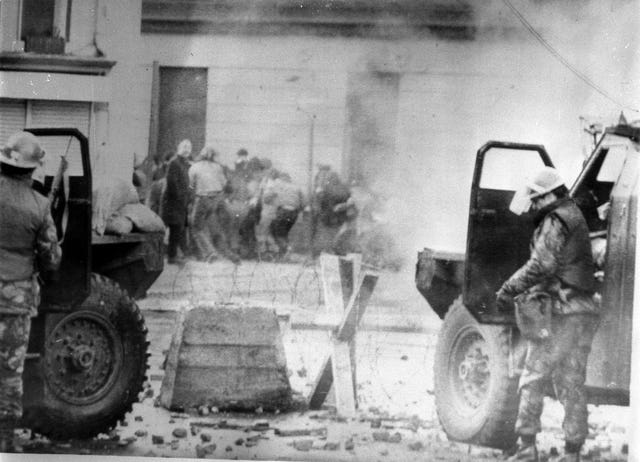
Another man shot by paratroopers died four months later.
Many consider him the 14th victim of Bloody Sunday but his death was formally attributed to an inoperable brain tumour.
Burrows, a former chief inspector in the Police Service of Northern Ireland (PSNI), told the Irish Times that the State’s approach to extradition during the Troubles “stands out as an equivalent of Bloody Sunday” over “a long period of time”.
Expanding on his view on Monday, Burrows said: “Many terrorists after they committed acts including murder, fled to the Irish Republic, and there was a failure of the Irish State to extradite them back to the United Kingdom, back to Northern Ireland to face justice.
“There was virtually a blanket refusal to extradite them.
“And not only did that deny justice for victims, but actually help preserve the capability of those terrorist groups, principally the Provisional IRA.”
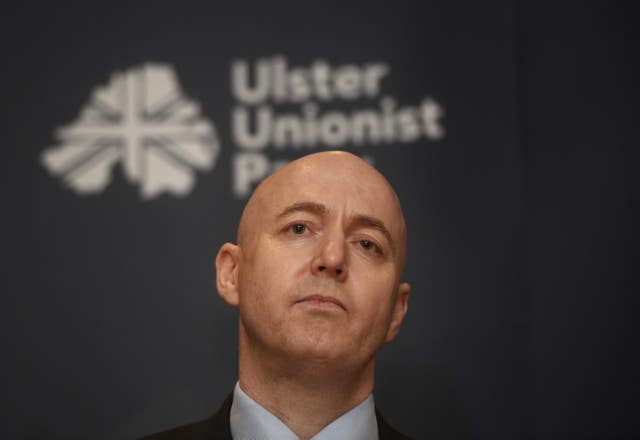
Burrows said this caused “a real, lasting hurt and harm in Northern Ireland”, arguing that an acknowledgement and apology “will go a long way to building reconciliation”.
Asked to explain how he could equivalate between the actions of the Irish State and the killing of unarmed civilians in Derry, he told RTÉ’s Morning Ireland: “The comparison is not necessarily with the Act, the comparison is with the act of reconciliation following it.”
Pressed on whether he was minimising the acts of Bloody Sunday, Burrows said: “I don’t think I am, what I’m doing is saying that they were hurt on both sides and (there) was wrongdoing on both sides.”
The UUP leader said the State “collectively failed its duty towards its citizens” and should have made sure people were extradited for terrorism in Northern Ireland.
Burrows said any legal and constitutional issue around extraditing to Northern Ireland at the time should not prohibit the making of an apology.
We need to work collectively and to support each other on really positive progress being made on legacy issues at the moment
He drew a comparison to slavery and said: “Because something had a legal basis, doesn’t mean it was right, doesn’t mean it was a signed legal basis and it’s clearly, plainly wrong.”
He added: “It was vile criminality committed by both loyalists and republicans.
“That is where there should have been a government intervention to say: ‘Sorry, this isn’t working, this isn’t correct, this isn’t politics – it is crime, and we need to change’.
“And eventually change did come but it came too late for many people and it has left a legacy of distrust.
“And it would be an act of courage and reconciliation for the Irish Government to step forward and say ‘on reflection, we could have done better, we could have moved earlier, and we could have brought justice’.”
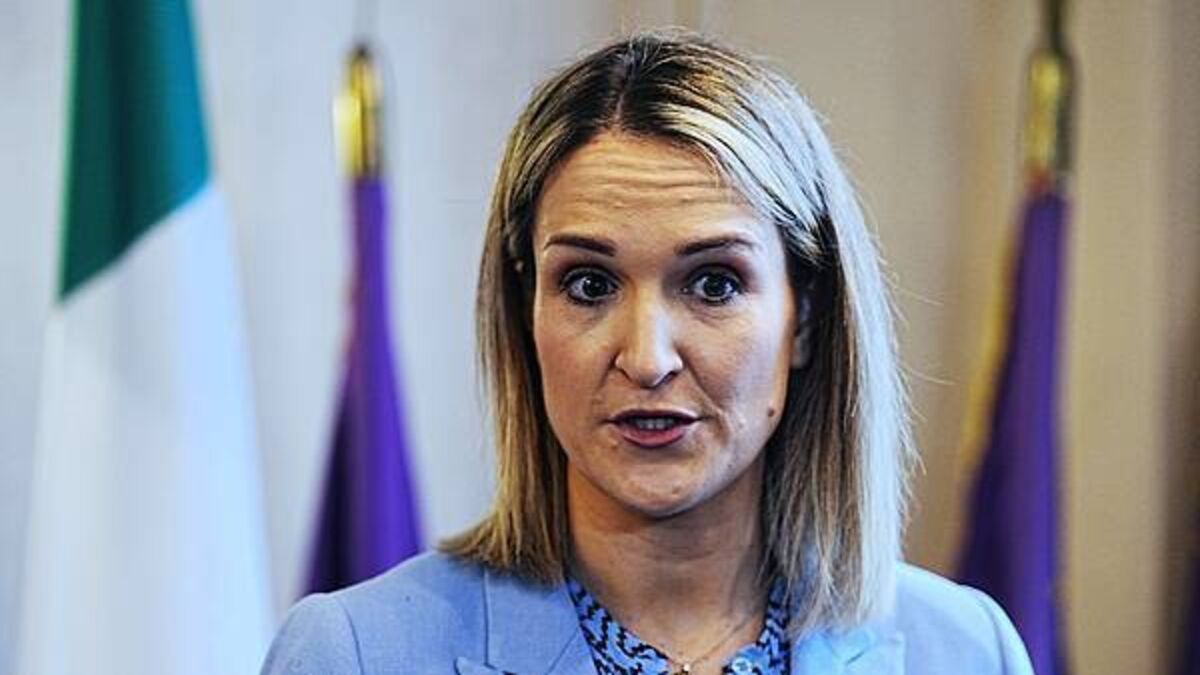
Asked about the request for a State apology, Foreign Affairs Minister Helen McEntee told the same programme: “There’s a lot of conversations to be had, I do wish him well and I look forward to meeting with him but I don’t agree with those comments.
“And I think we need to work collectively and to support each other on really positive progress being made on legacy issues at the moment.”
On that progress, McEntee pointed to the establishment of a garda liaison unit on legacy matters as well as legislation around engaging with the legacy commission and the Omagh Bombing Inquiry.