Stevie G: Universal language of music unites
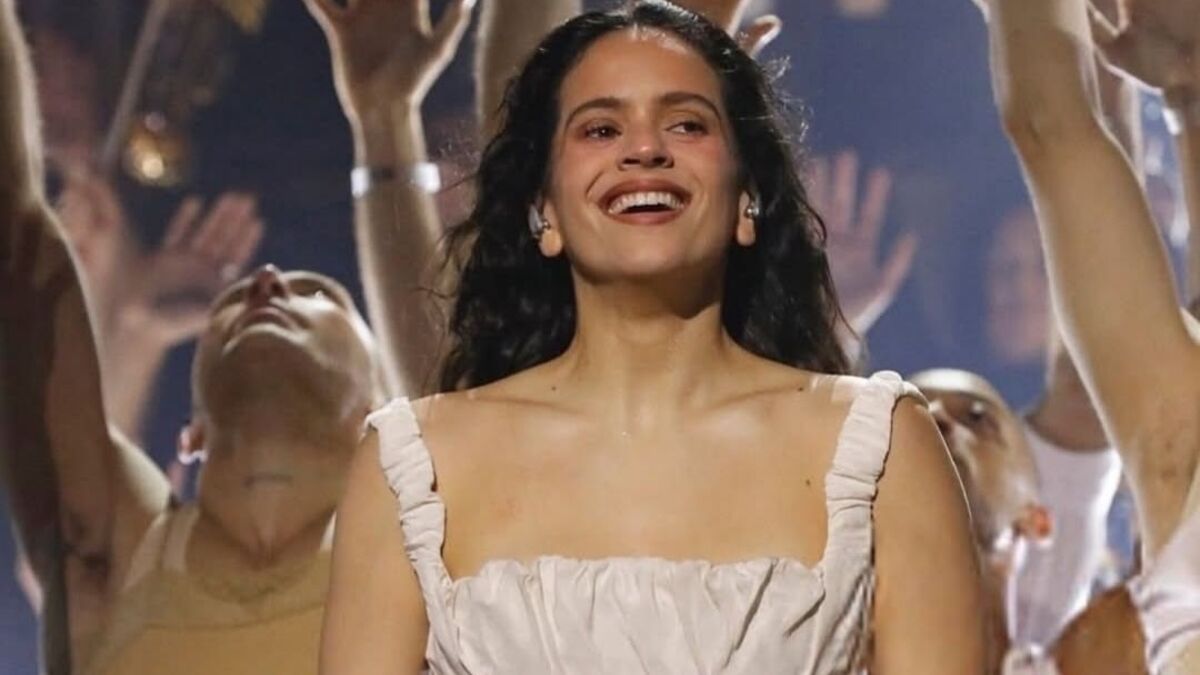
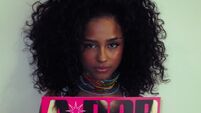
Catalonian singer Rosalia delivered her album ‘Lux’ in multiple languages.
On St Patrick’s week in Ireland, our own national pride also peaks, and Oscar-winning actor Jessie Buckley is certainly not alone in bringing Gaeilge to the international masses. The Irish language is a fast-growing language on Duolingo and other platforms, and it is growing in all 32 counties and elsewhere. There has been a notable rise in young people being proud of our native tongue, and in genres like hip-hop there are now many examples of rappers using Irish as their main dialect.
In a world where culture wars have contributed to more hate and division, it’s great to see so much pride on display, and from a musical perspective, language has always been something that acts as a unifier of people. Music is sometimes known as the universal language, and I can see why. As a person who grew up in an era where the Irish language was presented differently, I’ve often sometimes lamented not having it come as natural, but these days there are multiple ways for those to express their Gaeilge through music and other avenues. As someone who really only speaks English, I’ve never felt excluded from this, and the rise in non English speaking music worldwide has made things a lot more vibrant and colourful.
The power of music as a language also goes beyond the various dialects, and in the last five years my daytime work teaching kids and adults with additional needs has been very illuminating for me. I am teaching and making music with many non-verbal people, but music unites us. My classes and events such as Everybody Dance have been very eye opening for me, and it’s left me thinking that music’s power is stronger than even I initially knew.
In the UK, platforms such as Deaf Rave have been doing similar and even more inclusive work, providing entertainment with music, sign song and visual performances to an all-inclusive audience, globally and across the UK. At my own classes and events, I’m communicating with people directly through music, which is ultimately transcending all the barriers between us.
Non-English languages succeeding in music has been a thing forever but there is no doubt that ambitious projects such as the recent Rosalia album are more ripe for positive reception in this era. Rosalia, who had already built quite a big following through previous albums that floated through multiple genres, delivered Lux in multiple languages. Her music path, which has included flamenco and experimental pop as well as reggaeton (the genre made famous by Bad Bunny, J Balvin, Daddy Yankee, and others), has been broad, and her already established fan base helped clear a path for more recent global recognition.
As a kid, songs by Ofra Haza, Gypsy Kings, Mory Kante, Vanessa Paradis, Serge Gainsborough, and others were on the radio regularly, while in popular culture Pavarotti, Tito Puente, Serge Mendes, Edith Piaf, and many others transcended language and cultural barriers with music. I often didn’t fully understand some of the dancehall and reggae I listened to as a teen, and as my musical palette expanded, my love of various latin and african genres was never impeded by the language barrier. Much of the music I’ve played in the last 10 years has come from South Africa and Brazil, and it would never have been so appealing had it been delivered in broken English.
I’ve done a few projects working with youngsters rapping as Gaeilge lately, and I probably learnt more Irish in those sessions than I ever did in 12 years of school. Things are different these days and it’s more than just Kneecap firing the Irish language rap resurgence. Súil Amháin, from Dingle, is one of my personal favourites. He recently helped steer the Irish language rap project with the Kabin’s Gealtra documentary shot by Brendan Canty, and Ciara Nic Cormaic’s O Bhéal was another great Irish doc shining a light on this movement.
In a world where people are trying to use heritage and flags as an attempt to sow division, it’s refreshing that our genuine pride in our language is bringing so many people together. Music truly is the universal language.