The good, the bad, and the unusual: A look back at some of the bishops of Cork’s historic Catholic dioceses
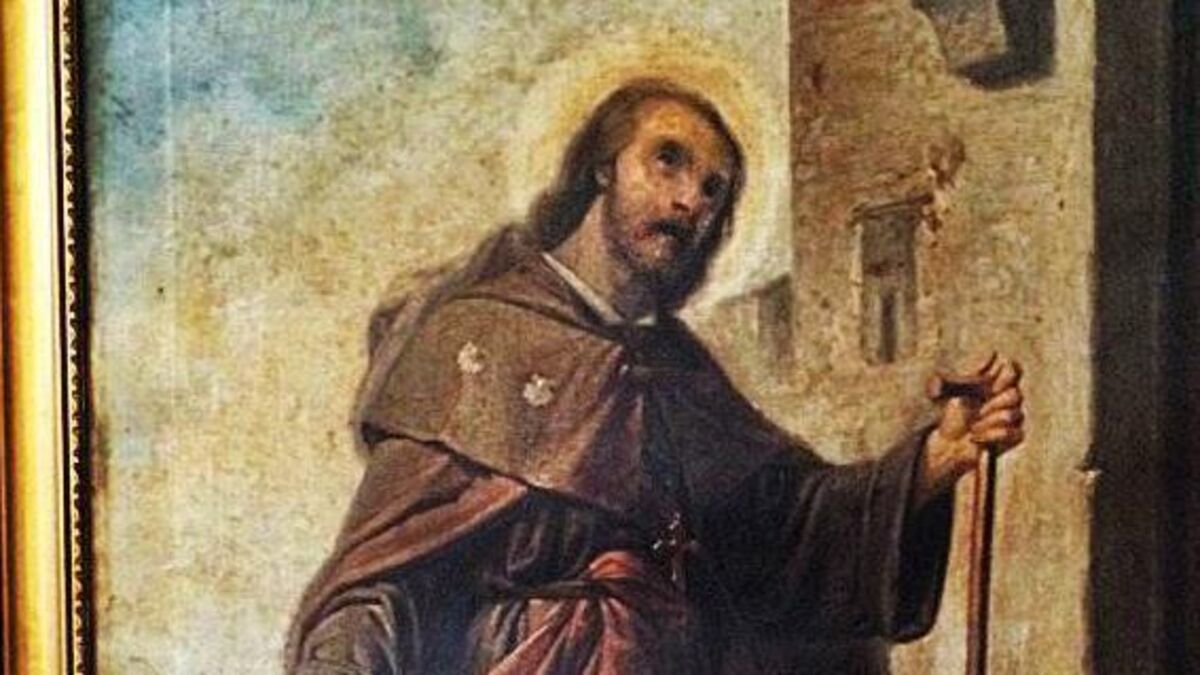
A painting of Thaddeus McCarthy, a 15th century priest from Cork who was appointed Bishop of both Cork and Cloyne, and also of Ross, but never got to take up either role
But that is the fate that appears to be about to befall the two Cork Roman Catholic dioceses of Cloyne, and Cork and Ross.
Falling priest numbers and congregations have led to discussions about the future, and now a document from the Association of Catholic Priests seems to have set the two venerable dioceses up for a merger.
The result, as reported in this week, could be one diocese for all of Cork, and presumably one bishop, overseeing a Catholic population estimated at 375,000.
On the ground, it makes sense. Dwindling numbers of new priests in particular will make it easier for the ones left to multi-task across a wide area.
It’s either merge or - God forbid, in some quarters - allow women to be ordained and to administer the sacraments.
Allowing the priests to marry could be another step in the right direction to boost clergy numbers, but we all know by now the value the Catholic Church puts on tradition and heritage.
So, the only solution left is to end many years of Cork religious tradition.
The original Diocese of Cork was established by the Synod of Ráth Breasail in 1111, and the separate dioceses of Cloyne and Ross were set up later that century, although it could be argued that Cloyne as a diocese has existed since 580 - not quite when Adam was a lad, but you get the drift.
Of course, Cork, and Ireland, were often buffeted by the winds of foreign raiders, from the Vikings to the British, and Christianity here was affected accordingly - not least when King Henry VIII cut off all ties with Rome and set up his own Church.
However, the dioceses of Cork and Ross, and of Cloyne - or variations of them down the years - have many centuries of tradition behind them, and have produced hundreds of bishops, some good, a few bad, and some who were downright unusual.
Older readers will still recall - perhaps with an involuntary shudder - the more recent autocratic Cork bishops such as Con Lucey, whose near 30-year reign from the 1950s coincided with Catholicism reaching its zenith... some would say nadir these days.
His successor, Michael Murphy, and the great road bowling son of Inchigeela, John Buckley, were seen as more amiable men of the people.
Over in Cloyne, the 23-year reign of Bishop John Magee will forever be associated with the failings of the Church to deal with the many scandals that dogged it this century, and which are among the reasons why the two Cork dioceses are now having to merge.
However, dip further back into the annals of time, and you start to encounter some fascinating Cork bishops.
He was born in Innishannon in 1455 into a well-to-do clan, became a priest, and was appointed Bishop of Ross at just 27 by the Pope.
A snag: there was already a bishop in situ, and a long-running dispute broke out, ending in poor Thaddeus being excommunicated.
Undaunted, he appealed the decision, was brought back into the Catholic fold, and appointed Bishop of Cloyne in 1490.
However, once again Thaddeus was thwarted as a member of the powerful Fitzgerald clan took control of his cathedral. He returned to Rome to complain, and the Pope gave him a signed document insisting he take up his bishopric in Cloyne.
Sadly, Thaddeus died on the way back to Cork aged just 37. He was buried in a cathedral in Ivrea, northern Italy, where he was venerated by the locals, so much so that 450 years later, the clergy and people of Ivrea donated a large sum of money for the relief of Irish Famine victims.
Then there is the story of Dr John Sleyne, consecrated Bishop of Cork in 1693, who fell foul of the Penal Laws and was thrown into the dungeons of Cork Gaol, then situated at the South Gate Bridge, for five years.
Here, the old trooper, thought to have been born in Lisgoold, was said to still be celebrating Mass and ordaining priests in defiance of the authorities, who seem to have been unsure what to do with him. Dr John was eventually exiled to Catholic-friendly Portugal where he died.
William Coppinger became bishop there aged just 38, and remained in the role for 39 years until his death aged 77 in 1830. His successor, Dr Michael Collins, had the distinction of being expelled from Maynooth College in his student days for supporting the uprising led by Robert Emmet.
Three later successive bishops of Cloyne were responsible for the construction and funding of mighty St Colman’s Cathedral in Cobh. The last of them, Robert Browne, is best remembered now for refusing permission for his nephew, Jesuit priest Francis Browne to board the Titanic in Cobh. Because of that, Francis’s famous photographs of the ship in Cork Harbour survived - and he may well not have done.
All the Bishops of Cloyne between 1638 and 1835 were members of the Church of Ireland, and included St George Ashe in the 1690s, who is reputed to have presided over the secret marriage between Jonathan Swift and the writer’s life-long companion, Esther Johnson.
Edward Synge, Bishop of Cloyne in the 1730s, left behind letters which contained one of the earliest known references to the Cork Christmas tradition of hunting the wren.
George Berkeley served as Church of Ireland Bishop of Cloyne from 1734 to 1753, and was a famous philosopher of his day, who also wrote a best-selling book about the medical benefits of pine tar. This extract of burnt pine wood was once used to treat carbuncles and skin diseases.
One account of Berkeley’s life states that he always rose from bed between 3am and 4am and “summoned his family to a music lesson, though the Bishop himself had no ear for music”. How wonderfully batty!


 App?


