Cork Views: Let’s use climate change to improve health
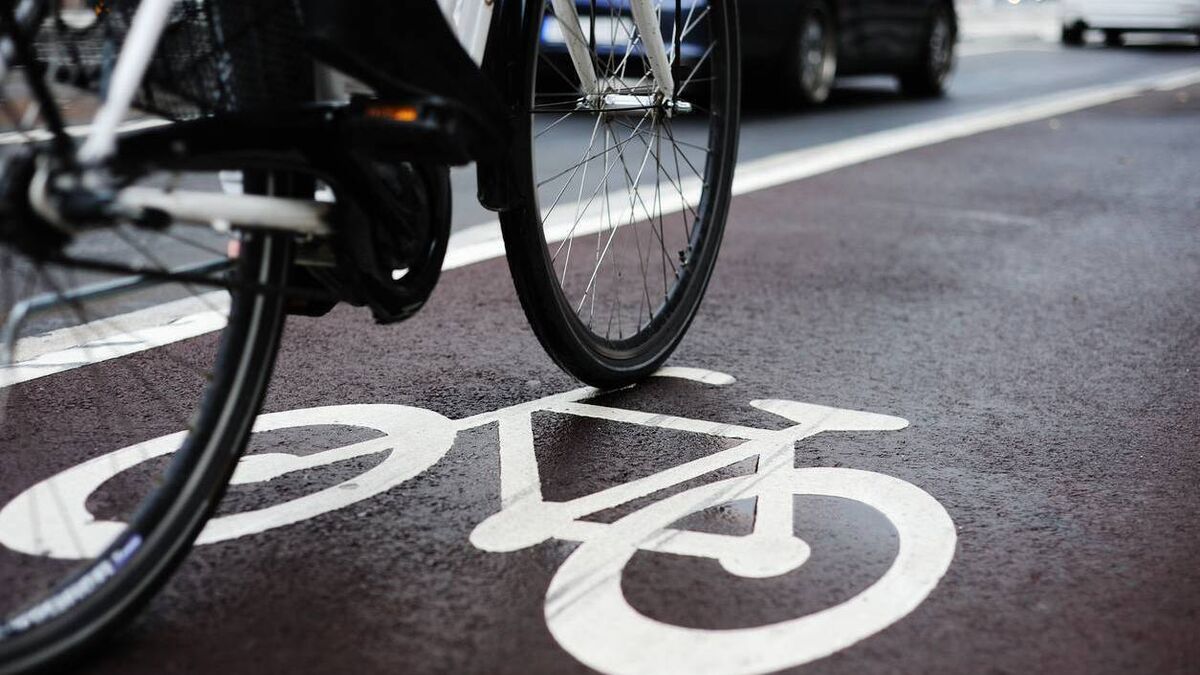
Instead of negativity around climate change, note how cycling has boosted health and cut pollution
COP31 has arrived - ten years since the Paris agreement came into force in 2016, that was seen by many as a watershed moment in addressing climate change. In the same year, the Lancet Countdown on health and climate change was established to track climate change in terms of its direct impacts on health.
However, the past decade has been frustrating and disheartening in terms of political commitment to deliver on climate policy.
A more positive note has emerged with improved understanding of the health impacts of climate change, while the need for health to be addressed in climate policy continues to gain momentum.
The doomsday speak, including ‘We’re a small country, what about China?” scenario has not served us well. It has caused significant climate anxiety and resulted in many heads buried in the sand, rather than dealing with the existential threat that the evidence has consistently thrown at us for over two decades.
Climate change needs to be seen as a huge opportunity to transform health – in terms of the way we move, the infrastructure we build, the way we eat, the energy sources we use, the way we transform green spaces in cities, the way we live our lives, the way we conserve rather than consume, the way we shift from extraction from the natural world to respecting the complex ecosystems that sustain us.
Climate laws that referenced health rose sharply after 2016 and health was specifically considered during climate negotiations at COP28, where the first official Health Day occurred.
Scientific evidence on links between climate and health have risen sharply, including the impacts of heat, drought, flooding, and infectious disease such as cholera and dengue.
This month, the 2026 report of the Lancet Countdown on health and climate change was published. It pulls no punches in terms of the spiralling health impacts of climate change that continue to progress.
The report outlines how climate-induced health harms have accelerated over the past decade, including 68.4% of heat deaths from 2016-2023, amounting to about 370,000 a year.
Economic losses are spiralling, yet political engagement continues to wane, as governments deal with global war, cost of living challenges and cyber security issues that increase uncertainty and political instability.
There has been progress. Many countries have National Health Adaptation Plans. Health Early Warning Systems have been linked to improved outcomes for people affected by storms and floods. The Lancet Countdown on Health states renewable energy is now cheaper than fossil fuels, and investment in clean energy is 82% higher than in fossil fuels.
Cleaner air has cut 323,000 deaths that would have been caused by pollution in more than half of the 140 countries; and accelerated emission cuts across energy, transport and food would bring even more health gains from air pollution and diet-related disease.
The report reiterates that the biggest barriers to progress on reducing health impacts of climate change are political, commercial and financial.
One of Donald Trump’s first acts on becoming U.S President was to withdraw from the Paris Climate Agreement. He was also responsible for the U.S officially withdrawing from the WHO in January. Fossil fuels continue to supply 80% of the world’s energy, using well- worn paths of denial, obfuscation and delay to influence research, intensive lobbying and the protection of profits and market share.
In a Lancetthis month, three ideas are put forward to accelerate progress on addressing the health impacts of climate change. First is the idea framing climate change in terms of health has the potential to be far more engaging than framing climate change around impacts on the environment or the economy.
Read More
Secondly, local action can be very effective, even where national and multilateral initiatives stall. Cities, where 60% of people live, are responsible for 70% of emissions and have been effective at advancing climate policy where national policies have faltered or failed. Paris, Barcelona and London have led the way in getting people out of cars and on bikes, boosting physical activity and cutting pollution.
Thirdly, social movements can create the conditions for action. The Lancet Commission on Activism and Health, published in July, seeks to build on alliances between social justice and climate change.
Also, this month, the UK Parliamentarians' guide to health and climate change outlined the evidence of the health impacts of climate change aligned with practical measures for policy makers to address them.
The report sets out 10 priorities for climate and health, showing how action can reduce risks, tackle inequalities and deliver wider benefits for both society and the economy. These include putting health at the heart of climate policy; preparing health systems for climate impacts; creating climate-resilient places; tackling air pollution; protecting those most vulnerable to climate risks, and boosting the resilience of the food system.
The guide also highlights the vital role of nature in protecting health – from expanding urban tree cover and access to green space to using nature based solutions to reduce the risks of heat and flooding.
The last decade has seen the evidence base for the health impacts of climate change climb exponentially. The evidence has reached a point that climate change is now being seen, not so much as a risk but as the greatest health opportunity of the 21st century.
To achieve real change requires the climate message to be couched in optimism rather than persistent doomsday scenarios that result in a sliding scale of anxiety and withdrawal to a state of despair.
When Martin Luther King gained global attention for his steadfastly optimistic approach to an apparently insurmountable challenge: he did not start his speech with “I have a nightmare.”

App?