TV producer: I had to leave Cork to discover I had a grá for Irish
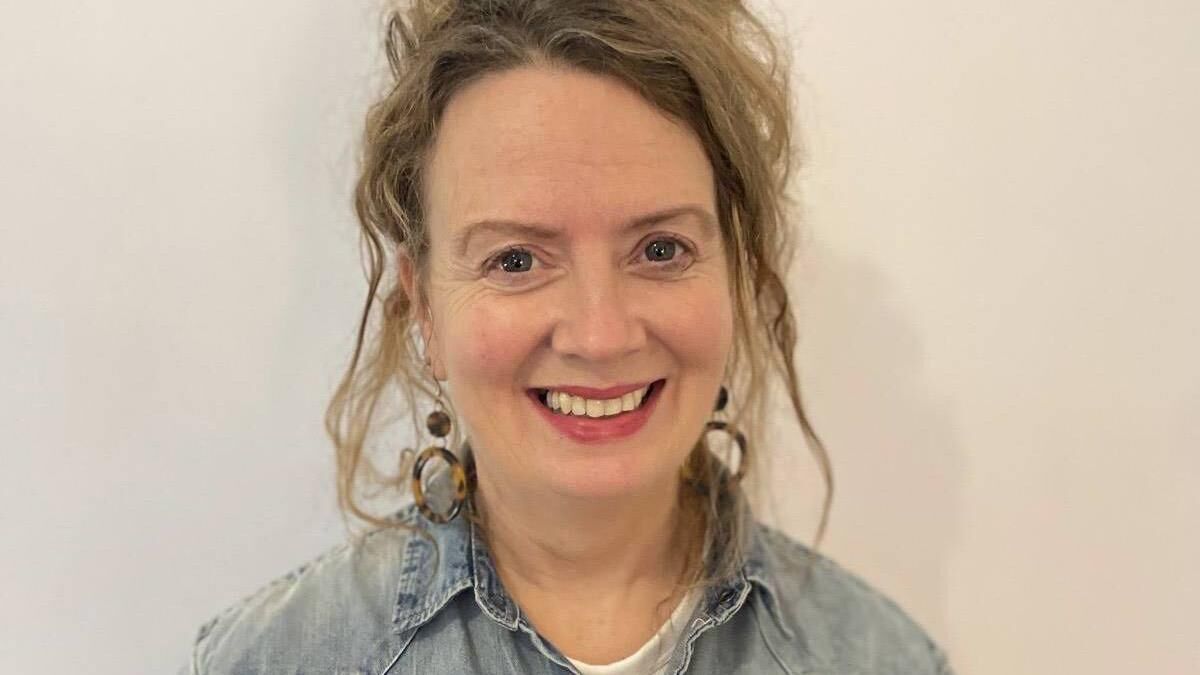
Edel O’Mahony grew up in Macroom, but says her love for the Irish language only kicked in when she re-located to the North. Here, she explains her journey and talks about a new TV series she is involved in exploring issues that shape women’s lives
TV producer: I had to leave Cork to discover I had a grá for Irish

TV producer Edel O'Mahony, who is originally from Macroom
Growing up in Macroom in the 1980s, speaking Irish wasn’t exactly cool. In fact, I did everything I could to avoid it.

My parents had a huge love for the language. They spoke Irish to each other and were actively involved in promoting it locally. But their enthusiasm wasn’t something I shared as a child.

They had spoken Irish to my eldest sister when she was young, but when she went out to play, other children laughed at her for speaking it. She turned against the language, and apart from isolated words, our parents no longer conversed with us in Irish in the same way.

They continued to speak it among themselves, but for me, it became something I was quite happy to leave behind. I was embarrassed by the Irish language and wanted very little to do with it.

It took moving to Belfast, of all places, to reconnect with a language that had been part of my family and upbringing all along. There, the Irish language was a different story; people were proud of it and wanted to speak it.

There was a vibrant community of young Irish speakers. When Northern Ireland Screen launched its Irish Language Broadcast Fund, over 20 years ago, the language flourished, funding new films, TV series, and supporting a generation of young Irish speakers to be producers, directors and storytellers.

I was lucky enough to be at a company (Waddell Media) that supported a team of young producers and me to develop and produce TV programmes through the Irish language. Here I met a group of young, inspirational and talented producers who were proudly fluent in Irish. I began to fall in love with the language and discovered that telling stories through the medium fulfilled me.

That journey back to Irish has given me a particular appreciation for the stories we tell and the connections we sometimes lose along the way.

It also makes producing Spriocanna Saoil, a new four-part Irish-language documentary series starting tomorrow on TG4 at 9.30pm, with assistance from the Northern Ireland Screen’s Irish Language Broadcast Fund, particularly meaningful to me.

Now living in Newry, Co. Down, and based in Belfast, I run New Street Television, my independent television production company, with my husband, David Gray. It’s named after the very place where I lived and grew up in Macroom - New Street.

In this series, I wanted to explore something I think many women will recognise: the pressure to have everything figured out by a certain age. There seems to be an unwritten timetable for life. By our thirties, we are supposed to know what we want, have established careers, be in settled relationships and perhaps have started a family. Yet the reality is that life rarely follows such a neat plan.

Spriocanna Saoil, presented by Caoimhe Ní Chathail, explores four subjects that can shape so much of women’s lives: motherhood, relationships, purpose and health. We wanted to explore what happens when we step away from those expectations and listen to women whose experiences are very different from ours.

The first programme looks at motherhood, an area where expectations and societal pressures can be particularly intense.

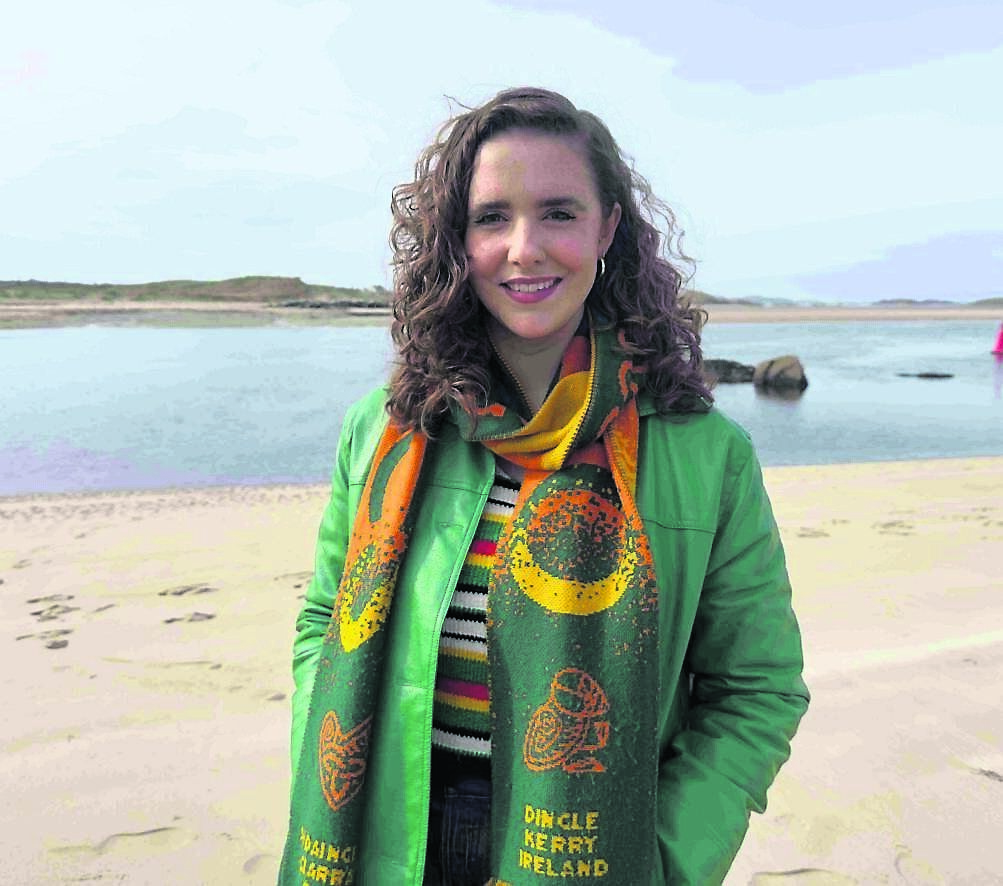
Caoimhe Ní Chathail, who presents the TG4 series Spriocanna Saoil, starting tomorrow night, which was produced by Edel O’Mahony

For me, it was important the programme reflected the many different realities of motherhood and the choices women make. There is no perfect age to have children, and there should be no expectation that every woman must follow the same path.

The second episode turns to relationships and the assumptions we make about love, marriage and being single. I think we can become so caught up in the idea we should have met someone and settled down by a certain age that we forget to consider what actually makes us happy.

The third programme explores purpose and the pressure to know what we want to do with our lives. We are often encouraged to discover our passion, find the right career and have a clear sense of direction. But our interests and ambitions change. Sometimes finding purpose means changing direction. Sometimes it means taking a step back and allowing ourselves time to work things out.

The final episode focuses on health and wellbeing, exploring the expectations surrounding maintaining a healthy lifestyle.

We are constantly told what we should be doing to look after ourselves, but the reality of everyday life can make that difficult. Between work, relationships and family responsibilities, finding time for ourselves is not always straightforward.

One of the most rewarding aspects of making this series was the opportunity to meet women who were willing to speak so openly about their lives. Listening skills are the most important part of the filmmaker’s role. Your job is not to arrive with all the answers but to create the space for people to tell their stories in their own way. Sometimes, the most meaningful moments happen in the conversations you could never have planned.

That is what I love about documentary filmmaking. It allows us to look beyond our own circumstances and recognise something of ourselves in somebody else’s experience.

Having grown up in Macroom and now making my home in Belfast, I feel particularly proud to have brought Spriocanna Saoil to the screen through New Street Television.

Filming and directing an Irish-language series is also a reminder of my own journey with the language. I am by no means fluent, I still struggle with my ‘tuiseal ginideachs’ and ‘modh coinníollach ’, but I’m not afraid or embarrassed to speak it - a major milestone!

I spent so much of my younger life trying to distance myself from Irish. It took moving away from home to appreciate it in a different way and to understand the connection my parents had always felt so strongly.

Perhaps that is one of the things life teaches us: we don’t always recognise the value of something when it is right in front of us.

More in this section

John Arnold: ‘Blackas’, Christy Ring... words of wisdom in a book of poetry John Arnold: ‘Blackas’, Christy Ring... words of wisdom in a book of poetry
Digital detox concept. A man unplugs his smartphone to take a break from the screen. Symbol of mindfulness, mental health and co Summit in Cork to address energy solutions for the future
Boy doing math homework at dining table 'I never want a teen to say they can’t do maths': Cork start-up aims to help students 

Sponsored Content

Tesco How Tesco is helping build friendship, purpose and community under one Men’s Shed roof
CS Tesco Heroes - Blood Bikes How Tesco is helping to keep the west’s motorcycle medical service safely on the road
Investing in employees’ futures Investing in employees’ futures
Contact Us Cookie Policy Privacy Policy Terms and Conditions

© Examiner Echo Group Limited

Add Echolive.ie to your home screen - easy access to Cork news, views, sport and more