Dr Catherine Conlon: Benefits of shingles vaccine may go beyond protection from condition
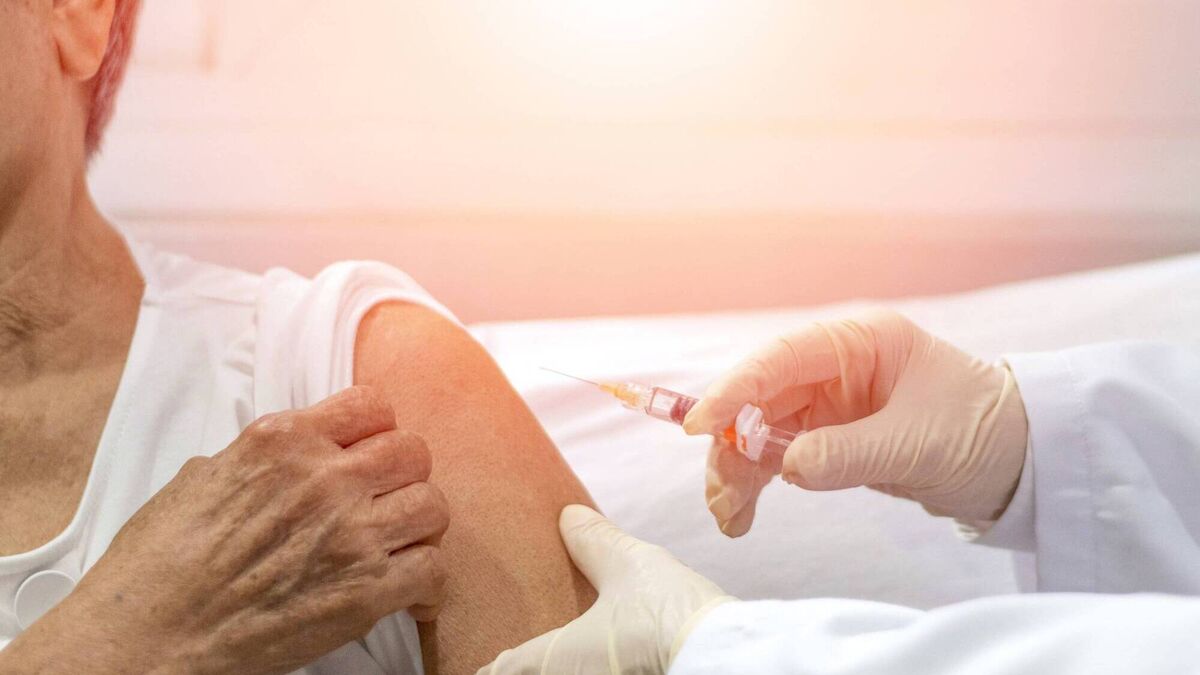
A national shingles vaccination programme is set to start in June next year
A national shingles vaccination programme for the over-65s will start on a phased basis from the middle of next year, after its approval in Budget 2027
Health Minister, Jennifer Carroll MacNeill said older people who are immunocompromised will be first to avail of the vaccine, followed by people over 80 and then a wider roll-out.
“The National Immunisation Office informed me they will be in a position to start this scheme essentially in June next year,” she said, adding that it was a very significant investment in health, particularly for older people.
This is a really positive step, not just in protecting older people against shingles that can be a painful and debilitating condition, affecting up to a third of people at some point in their lifetime, with the risk escalating dramatically as you age. For those aged 85, the percentage climbs to about 50%
Now, exciting new evidence is emerging that supports the ability of the shingles vaccine to lower the risk of dementia, as well as cardiovascular events, including stroke and heart attack. Let’s see just how strong this case is:
Dementia
Mounting evidence is linking the shingles vaccine to a lowered risk of dementia. A study in Nature (2025) by Stanford Medicine researchers examined the risk of dementia in two groups of people in Wales, linked to an earlier shingles vaccine (Zostavax). Eligibility for the vaccine was determined by date of birth. Those born before September 2, 1933, were ineligible for the vaccine for life while those born after that date were eligible.
Follow up over seven years found those who got the vaccine had a 20% lower risk of developing dementia compared to those who did not.
In further evidence, a newer shingles vaccine (Shingrix) has been available in the U.S since 2017, and in Ireland since 2018. Based on recombinant technology, it is made using only a single protein from the surface of the virus.
A study in Nature (2025) compared the dementia outcomes of people who received the recombinant vaccine to those who received the older vaccine. Six years later, it found that people who received the newer vaccine remained dementia free even longer (17% longer) on average than those who received the older vaccine. It is not clear why, but women seemed to benefit more than men.
While these results are promising, more research in the form of randomised controlled trials is needed to confirm the findings.
Cardiovascular disease
A Korean study in the European Heart Journal (2025), involving more than a million participants, found that people who were given a shingles vaccine had a 23% lower risk of cardiovascular events, including heart disease and stroke. The protective effect of the vaccine lasted for up to eight years and was greater in men than women, people under the age of 60, and those with unhealthy lifestyles, including smoking, alcohol consumption and sedentary living.
The study found that those who received the vaccine had a 23% lower risk of cardiovascular events overall, with a 26% lower risk of major cardiovascular events, such as heart attack, stroke or death from heart disease; a 26% lower risk of heart failure; and a 22% lower risk of coronary heart disease.
The protective effect was strongest in the first two to three years, but researchers found that the protection lasted for up to eight years.
The study involved the use of the older shingles vaccine, that contained a weakened form of varicella zoster virus than causes shingles. This vaccine has been replaced in many countries, including Ireland, with a recombinant vaccine (Shingrix), that contains a protein from the varicella zoster virus.
Lead author, Professor Dong Keon Yon of the Kyung Hee University College of Medicine, Seoul, South Korea said there are several reasons why the shingles vaccine may help reduce heart disease. “A shingles infection can cause blood vessel damage, inflammation and clot formation that can lead to heart disease. By preventing shingles, vaccination may lower these risks. Our study found stronger benefits in younger people, probably due to a better immune response and in men, possibly due to differences in vaccine effectiveness.”
The study was based on an Asian cohort, so the results may not apply to all populations. It also used the live vaccine so more research on the recombinant vaccine is needed. Also, a causal relationship cannot be confirmed from the study – potential bias from other underlying factors is possible.
Further plans are in place to study the impact of the recombinant Shingrix vaccine that is now in use, to see if similar benefits for reducing heart disease are found. And it is not just the shingles vaccine that has been linked to reduced risk of cardiovascular events.
Influenza and pneumococcal vaccine
An analysis of randomised controlled trials, in Scientific Reports (2023) found influenza vaccination reduced major cardiovascular events by 30%, heart attacks by 26%, and cardiovascular deaths by 33%.
A further study in Atherosclerosis in March found that giving an influenza vaccine within 72 hours of a heart attack significantly reduced cardiovascular deaths as well as all-cause mortality compared to receiving a placebo. It seems vaccinating high-risk patients before they leave hospital can be to be lifesaving.
The pneumococcal vaccine, recommended for adults over 65, has also been associated with reduced rates of stroke and other cardiovascular events. The mechanism may be due to reduced risk of infection or subsequent inflammatory response - more research is needed.
The ability of vaccines to reduce the risk of infection is a sufficiently compelling reason to get vaccinated. Shingles is a common condition in older people that can cause a debilitating illness and excruciating pain. Influenza and pneumococcal infection cause thousands of people to end up in hospital every winter – many of whom will die from their illness.
Now, mounting evidence is emerging that vaccines potentially have additional benefits in reducing risk of dementia and cardiovascular disease - adding to the already powerful case for vaccination.
Influenza and pneumococcal vaccines are free to adults over the age of 65 in Ireland as well offering protection against both infectious disease and risk of cardiovascular events. Now, the shingles vaccine is to be added to the armoury of vaccines to protect older adults firstly from shingles, as well as potentially reducing the risk of cardiovascular events and dementia.
While expensive, the logic is that prevention is almost always more cost-effective than treatment in an ageing population with ever-increasing risks of debilitating disease.





 App?
App?


