Explainer: What you need to know about fuel allowance
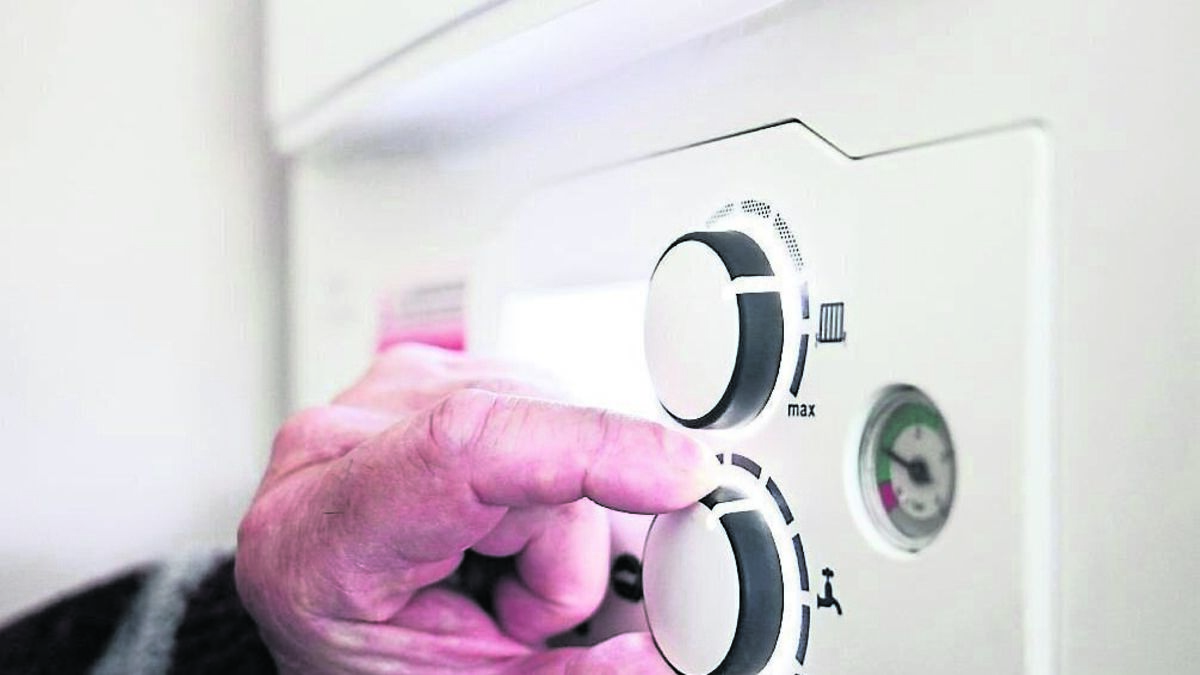
Ciara O’Gorman, Development Manager with South Munster Citizens Information Service, discusses the supports available to assist with the costs of heating your home
Explainer: What you need to know about fuel allowance

You may be entitled to the Fuel Allowance to help towards the winter heating bills

The main Social Welfare support with heating costs is the Fuel Allowance. Paid to only one person in a household, it normally begins in late September each year and ends after 27 weeks in April.

The current rate of Fuel Allowance is €38 a week. You can choose to get the payment every week or, in certain circumstances, you can get it in two instalments (lump sums), in September and January.

Currently, the total Fuel Allowance payment over 28 weeks is €1,064. To qualify, you must satisfy three conditions

You must live alone or with certain people, e.g. your spouse, civil partner or cohabitant who qualifies for an increase on your pension or social welfare payment or is getting a payment in their own right. You can also live with a person who is getting Carer’s Benefit and is caring for you or your partner/spouse or with a person who would qualify for the fuel allowance in their own right.

You must also be in receipt of a qualifying payment (unless you are 66 or over). This includes State Pensions Contributory & Non Contributory, Invalidity Pension, Disability Allowance, One Parent Family Payment & Farm Assist. If you are aged over 66, you do not need to be on a qualifying payment.

How does the means test work?

The Department of Social Protection (DSP) examines all your sources of income. Your gross weekly income must be below a certain amount to pass the means test.

You are usually accepted as passing the means test for Fuel Allowance, if you are getting a qualifying social assistance (means-tested) payment such as State Pension Non-Contributory or Disability Allowance as you have already satisfied the means test and it does not need to be done again.

Income from some social welfare payments and certain other sources are not counted in the means test.

If you are under 66, the first €20,000 of your capital is not taken into account, and if you 66 or over, the first €50,000 of your capital is not taken into account.

The value of your own home is never assessed. If you have a second property (other than your own home), the rental income from that is assessed. However, the capital value (less any mortgage outstanding on the property) will be assessed if the property is not rented.

If you are renting out a room in your home, you can have an income from it of up to €269.23 a week (€14,000 per year) without affecting your Fuel Allowance. The person renting the room in your home must use it for a minimum of 28 consecutive days and cannot be an employee of yours or immediate family member.

If you are over 66, you can have an average gross weekly income of up to €534, or €1,068 per week for a couple and still qualify for Fuel Allowance.

A single person under 66 can have income up to €499.30 per week and a couple where the qualified adult is under 66 can have weekly income up to €698.70. This increases to €767.70 if the qualified adult is 66 or over.

What is the Working Family Payment?

Since January 1, if you are getting the Working Family Payment, you will also get the Fuel Allowance if no other member of your household is.. Your heating needs are not included in full as part of your accommodation and you are legally resident in Ireland. You do not need to submit an application. This is a very positive development for low-income families.

Another positive development is that from this month, people moving from Disability Allowance or Blind Pension to take up work will keep their Fuel Allowance for five years. This was announced in last year’s budget and has only come into effect now.

If someone was getting the Fuel Allowance weekly and wanted to change to getting it paid in two lump sums, how would they do it?

To change how your Fuel Allowance is paid, fill in the Change the Payment Frequency form at least one month before the first instalment is due. You can get the form from your local social welfare office or Citizens Information Centre.

Is there also a Telephone Support Allowance?

If you are getting Fuel Allowance as well as the Living Alone Increase, you will also get a Telephone Support Allowance of €2.50 per week. This is paid automatically with your main social welfare payment, so you do not have to apply. It amounts to an additional €130 over the year.

Are there other supports from the Department of Social Protection to help with cost of electricity or gas bills?

The Household Benefits Package (HBP) helps with the cost of your electricity or gas bill and the TV licence. You do not have to be living alone to get it and the utility bills do not have to be in your name. However, only one person in a household can get the Package.

You can get the Household Benefits Package if you are aged 70 or over. You do not need to be getting a state pension and the package is not means tested. People under 70 can also get the HBP, but additional rules apply

How do you qualify for the Household Benefits Package?

To get the Household Benefits Package, you must be living in Ireland (full-time, all year round, be the only person in your household getting the HBP, be aged 70 or over, or be aged under 70 and meet the additional rules for ‘People aged under 70’


What are the additional rules for people under 70?

If you are under 70 you can get the Household Benefits Package, if you are getting a qualifying social welfare payment. If you live with your spouse, you must be getting an increase in your qualifying social welfare payment for them or they are getting a qualifying payment in their own right.

These rules only apply if you are living with a spouse, partner or civil partner. You can get the HBP and live with other adults, for example, with a parent or in shared accommodation and their income will not be not taken into account.

If you are aged between 66 and 70 and are not getting a qualifying social welfare payment, you must pass a means test. It examines all your sources of income. Your weekly income must be below a certain amount.

More in this section

Young girl eating hot school dinner uk Cork Views: How we can make most out of school meals
Kathriona Devereux: Covid, saunas, Cork cable cars - hot topics of my Echo years Kathriona Devereux: Covid, saunas, Cork cable cars - hot topics of my Echo years
Young woman reading a book while commuting by bus Trevor Laffan: Allow pets on public transport? It's a one-way ticket to disaster

Sponsored Content

SETU connects Ireland’s southeast to a changing Europe SETU connects Ireland’s southeast to a changing Europe
From graduate engineer to director: A 25-year career helping to shape Ireland’s electricity future From graduate engineer to director: A 25-year career helping to shape Ireland’s electricity future
Brian Brennan, Tax Partner at KPMG in Ireland, President of Irish Tax Institute Budget 2027 should mark the beginning of tax simplification, says KPMG
Contact Us Cookie Policy Privacy Policy Terms and Conditions

© Examiner Echo Group Limited

Add Echolive.ie to your home screen - easy access to Cork news, views, sport and more