Simple advice to help gardeners protect plant health
Healthy gardening practices matter, says Mary Canty of the Department of Agriculture.
Whether we are tending a window box, working on a farm, walking through a woodland, or choosing plants at a garden centre, we all depend on healthy plants.
They produce the oxygen we breathe, form the basis of our food system, support biodiversity, and sustain jobs across agriculture, forestry and horticulture.
Protecting them is not just an environmental concern; it is part of protecting our economy, our communities, and our quality of life.
Ireland has a favourable plant health status, with many destructive pests and diseases found elsewhere still absent from our shores. That is something worth safeguarding.
However, increasing global trade, online shopping, and international travel means that a pest can cross borders more easily than ever, hidden in a plant, seed, cutting, fruit, soil or muddy footwear.
Our history reminds us of what is at stake. Potato blight, caused by phytophthora infestans, had catastrophic consequences in 19th-century Ireland.
More recently, xylella fastidiosa offers another warning. Since it was first detected in Italy in 2013, this bacterial plant disease has infected and killed millions of olive trees in southern Europe, with severe environmental, social and economic impacts.
When certain harmful organisms become established, controlling or eradicating them can be extremely difficult. Prevention is our strongest defence.
The Department of Agriculture, Food and the Marine works year-round to protect Ireland’s plant health through surveillance, inspection, regulation, and public awareness.
We recently published our Plant Health and Biosecurity Strategy 2026-2030, which sets out our vision for plant health and biosecurity in Ireland over the next five years.
This year, we are again supporting #PlantHealth4Life, the European Union campaign led by the European Food Safety Authority and the European Commission. The campaign helps bring an important biosecurity message beyond laboratories, inspection points and government offices to everyday choices made by travellers, gardeners, families, and online shoppers.
For anyone travelling from outside the European Union, the advice is straightforward: please do not bring home plants, cuttings, seeds, flowers, fruit or vegetables unless they meet the relevant EU plant health requirements.
A holiday souvenir can carry a pest or disease that is invisible to the naked eye. Leaving plant material behind is a small decision that can prevent lasting damage at home.
Gardeners and householders also have an important role as part of the #PlantHealth4Life campaign. Buy plants from registered nurseries, garden centres, and online suppliers.
Healthy gardening practices matter too. #PlantHealth4Life encourages choosing plants suited to local soil, light and weather conditions; inspecting them regularly; and acting early if you notice unusual symptoms or insects.
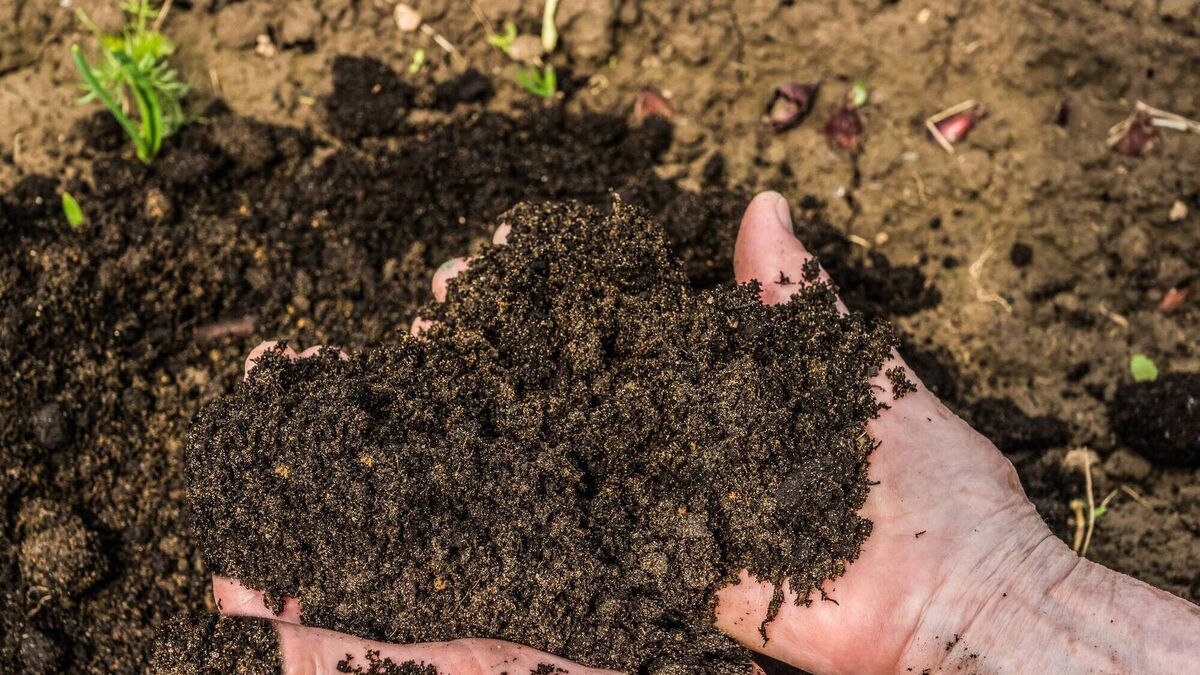
It is also important to clean soil and plant debris from boots, tools and equipment before moving between gardens, farms or wooded areas.
These habits reduce opportunities for pests to travel.
Sustainable approaches, including monitoring and non-chemical controls where practical, can also create more resilient gardens and protect beneficial insects.
Being alert does not require specialist knowledge. Look for sudden dieback, unusual leaf discolouration, unfamiliar insects or damage that spreads quickly.
Do not move or share a plant that appears unhealthy. Take a clear photograph, note where it was found and seek advice from plantandpests@agriculture.gov.ie before disturbing it further.
In Cork, with its rich mix of farms, gardens, parks, nurseries, woodlands and busy travel and trade links, plant health is something we should all value. It is also a subject that can inspire the next generation.
Growing herbs or vegetables, identifying trees, observing insects and learning where food comes from can help children understand that healthy plants support healthy lives.
Government, industry and stakeholders carry significant responsibilities, but plant health cannot be protected by official action alone.
Biosecurity is strongest when people understand the risks and make informed choices.
By travelling responsibly, buying carefully, gardening sustainably and reporting anything unusual, each of us can help keep harmful pests and diseases out of Ireland.
That is the practical message at the heart of #PlantHealth4Life, and one the Department is proud to support.
Small actions, repeated across thousands of homes, gardens and journeys, create a powerful shared defence.
Protecting plant health starts with all of us, and the choices we make today will help safeguard Ireland’s food, environment and biodiversity for generations to come.
For more information and practical advice, visit efsa.europa.eu/en/plh4l

App?