I don’t fix people, I help them reconnect with life
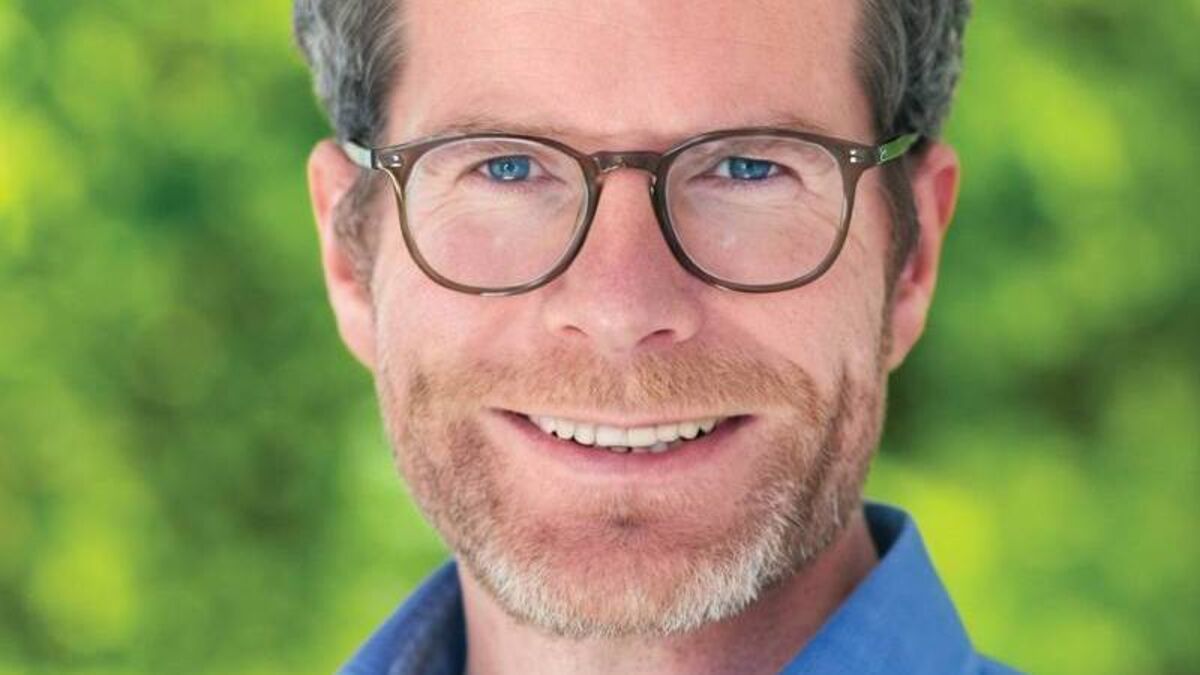
Mícheál Ó Mathúna: “I hope my book reaches anyone who feels they’ve lost themselves somewhere along the way,”
For years, Micheál Ó Mathúna was doing what so many people do: keeping busy, pushing through, and convincing himself everything was fine.
Today, the Cork therapist, facilitator and founder of The Health Zone believes that strategy comes at a cost. Through workshops, one-to-one sessions, a podcast, and now his self-published book, The Eleven New Commandments, his work centres on helping people reconnect with themselves.
Rather than presenting himself as someone with all the answers, Ó Mathúna speaks openly about the personal struggles that led him to this work.
“For a long time, I was living disconnected from myself without even realising it,” he says. “Like a lot of people, I got very good at keeping going, pushing through, doing what needed to be done, and carrying on as if everything was OK. But underneath it all, there was a lot of unprocessed trauma, anxiety, and exhaustion.”
The breaking point came with burn-out.
“Burn-out was probably one of the biggest turning points for me. My own body more or less forced me to stop. It was like everything I’d been over-riding for years, my needs, my emotions, my boundaries, all caught up with me at the same time.”
Instead of seeing depression and anxiety simply as illnesses to overcome, he says he came to view them differently.
“They were showing me where I’d gone off track, where I’d abandoned myself, and where something in me was asking to be looked at.”
That experience shapes the way he now works with clients.
“My own recovery taught me that healing can’t be rushed or forced. It needs space, patience, and compassion,” he says. “I’m not interested in fixing people. I’m more interested in helping them build the capacity to listen to themselves, trust themselves, and reconnect with what they already know deep down.”
“The core of The Health Zone is really about helping people to connect and come back to themselves,” he says. “A lot of us can spend years disconnected from who we are beneath the layers of conditioning, trauma, expectations, and survival patterns.”
Much of his work centres on what he calls “embodied self-trust”. “A lot of the conditioning we grow up with teaches us to doubt ourselves, to second-guess what we feel, ignore what we need, and push past our own limits,” he says.
“The body is always speaking to us, but many of us have been taught to ignore it until we can’t anymore or until it begins to show up in more serious ways through illness, burn-out, or chronic conditions.”
His workshops use breathwork, sound healing, and guided reflection to help participants reconnect with themselves.
“One of the biggest shifts I have experienced is people beginning to meet themselves with more compassion and presence. A lot of the time, it’s simply that they’ve been carrying too much for too long.”
His podcast has featured conversations with figures including Gabor Maté, Peter Levine, Kristin Neff, and the late Dr Ivor Browne.
“What struck me most is that, despite coming from different paths and perspectives, they all point back to something similar: that much of what we can call pathology is often rooted in adaptation, disconnection, and unmet needs,” he says.
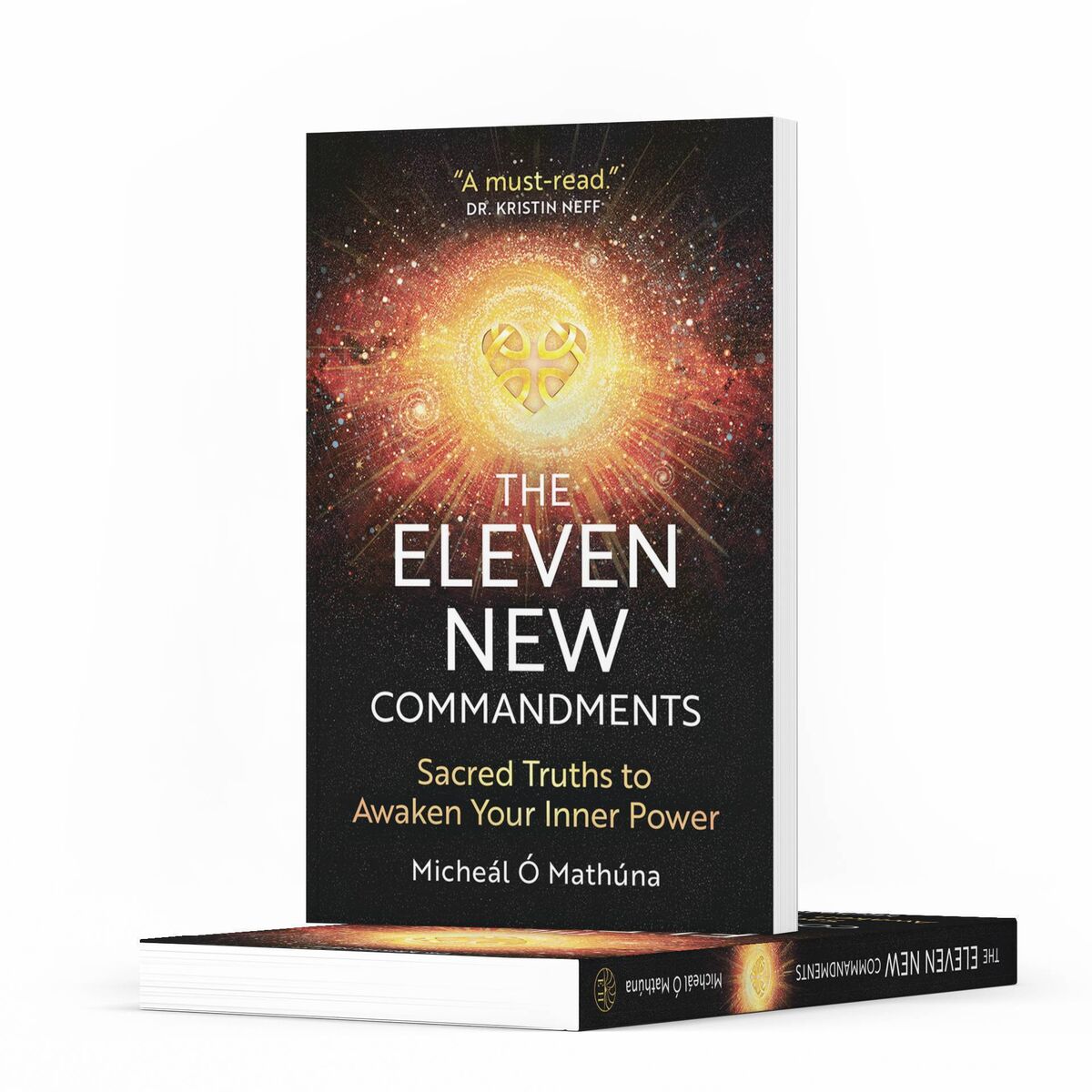
Those conversations, together with his own experiences, inspired The Eleven New Commandments, which took more than five years to write. “It really came out of my own lived experience with anxiety, burn-out, depression and trying to make sense of what I had been through,” he says. “Writing it became a way of making sense of my own journey. In some ways, it was part of the healing itself.”
Despite its title, the book is not intended as a set of rules. “At its core, the 11 commandments are really invitations,” he says. “They invite us to pause and question the beliefs we’ve inherited, to listen to the body, speak the truth, create healthier boundaries, feel what we’ve been avoiding, trust our intuition, and reclaim our own inner authority.”
“They’re not rules or something to live up to. They’re more like reminders... At the core of it all, each one points back to ways to stop abandoning yourself.”
For Ó Mathúna, learning to set boundaries is one of the biggest lessons. “So many of us were never taught that saying no can actually be an act of love - not just for ourselves, but for others too,” he says. “When someone starts honouring what’s true for them, even in the smallest ways, something begins to shift. That’s where self-trust starts to rebuild.”
He hopes the book reaches those quietly questioning the lives they have built.
“I hope it reaches anyone who feels they’ve lost themselves somewhere along the way,” he says. “The person who looks like they’re functioning, and maybe even ‘successful’, on the outside, but inside feels anxious, exhausted, disconnected, or unsure of who they really are anymore.”
For anyone feeling that life no longer feels like their own, his advice is straightforward.
“As a first step, I’d say listen to that feeling,” he says. “Get curious and slow down. Start asking yourself honest questions... What feels out of alignment in your life? What am I doing that doesn’t feel true to me anymore? Where in my life have I been abandoning myself?”
Whether readers embrace Ó Mathúna’s philosophy or simply reflect on the questions he raises, his work is ultimately driven by one idea: that healing begins by learning to trust yourself enough to listen.
The Eleven New Commandments is published by Eternal Horizon Press







 App?
App?


