Cork doctor: Are there benefits to taking a stroll after you eat?
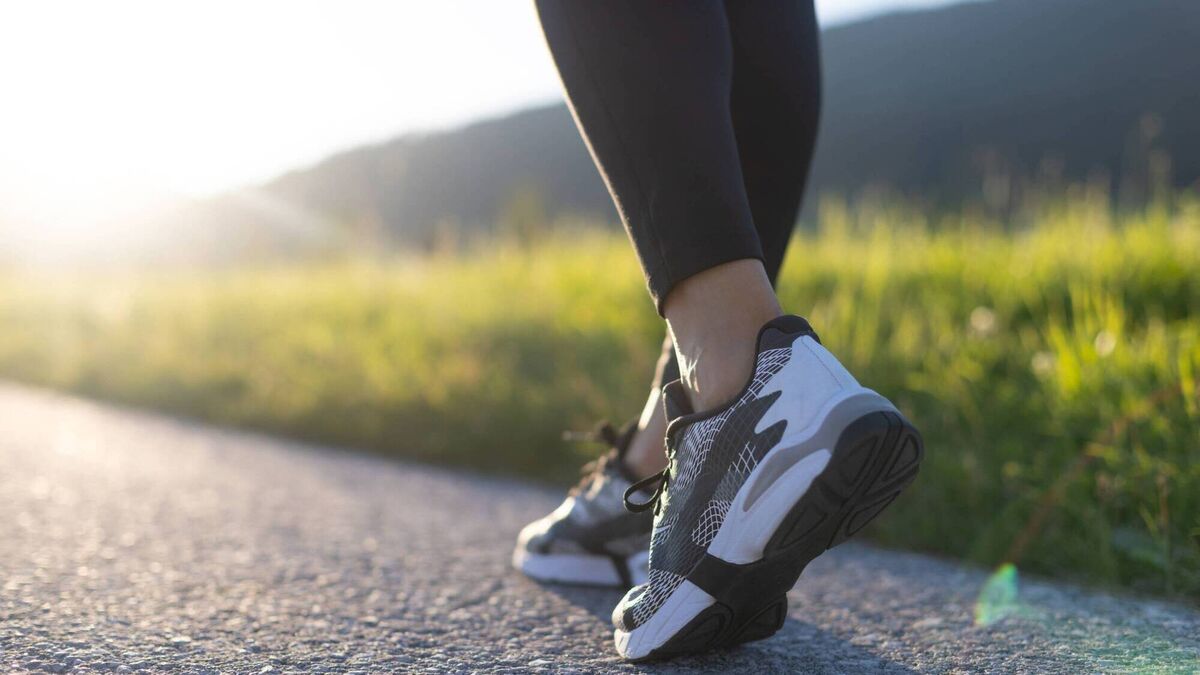
The benefits of even a short walk after a meal can be great for your health, studies have shown
Out of the thousands of news stories you read in the past year, I wonder how many allowed you to make a better decision about a serious matter affecting your life, your work, or your health.
For me, a few come to mind. One was about the benefits of eating sardines or other fatty fish at least twice a week. Another was the potential significant benefit of the flu and shingles vaccines in reducing the risks of cardiovascular disease and dementia.
Perhaps the story that hit home was a paper published in The Lancet that found that hitting roughly 7,000 steps a day caused your risk of premature death to be almost halved.
The study was led by Prof Melody Ding at the University of Sydney, who was in the Royal College of Surgeons in Dublin recently to talk about her research. Prof Ding found that achieving 7,000 steps a day causes risk of all-cause mortality to drop by 47%; a 38% lower risk of dementia; a 25% reduction in heart disease; a 22% decrease in symptoms of depression; a 14% drop in incidence of type 2 diabetes, and 28% fewer falls in older adults.
These results are astonishing and beg the question why we are not all taking every opportunity to walk around our communities to maximise our steps? Amazingly, the Department of Transport says that 57% of all journeys under 2km in Ireland are taken by car – as we drive to the shops, drop our kids to school, and sit in endless traffic on our way to work.
Of all the stories I have heard this year, this strikes me as the most profound. It is the one that has caused me to develop a fond respect for my bike and backpack, as I peddle furiously around the city for those multitude of trips I take on a weekly basis. I enjoy the added benefits of the wind in my hair, the contact with neighbours and friends, and the sound sleep (most) nights that daylight, fresh air, and physical activity induce.
Here is one more story that is worth remembering. I came across a paper by researchers at the University of Limerick that found that simply taking a very short 2-to-5-minute walk after meals can dramatically improve metabolic health and reduce the risk of type 2 diabetes and cardiovascular disease.
We all know physical activity is good for our health, but these findings suggest the time of activity immediately after meals can make a big difference by specifically improving blood sugar control.
The study, published in Sports Medicine (2022), compared the effects of sitting versus standing or walking on measures of heart health, including insulin and blood sugar levels. They found that even light walking after a meal for as little as 2-5 minutes, had a significant impact on blood sugar levels.
In five of the studies, no participant had prediabetes or type 2 diabetes. The remaining two studies looked at people with and without prediabetes or type 2 diabetes.
All seven studies found light walking after a meal was enough to significantly improve blood sugar levels compared to sitting at a desk or flopping on a couch. When participants went for a short walk, their blood sugar rose much more gradually.
This is a really important finding as fluctuating blood sugar levels is a key component in managing type 2 diabetes. Sharp spikes in blood sugar are also thought to contribute to the risk of developing the condition.
Standing after a meal was found to help blood sugar levels, but not as much as a light walk. The researchers found the best time to walk was 60-90 minutes after eating – the window in which blood sugar levels typically peak. They also suggested that walking for a longer period of time after a meal can provide additional benefits, and that starting within 30 minutes after a meal is optimal to hit the immediate glucose peak that occurs within that time
The research highlights the benefits of even a five-minute walk at lunch between online meetings and after a sandwich.
It is not just the UL researchers that have confirmed a link between walking after a meal and improved control of blood sugar. Research in Diabetes Care in 2013, found half an hour of brisk walking significantly lowered glucose peaks after a meal, including meals with both low and high carbohydrate content – highlighting the huge benefits that can be achieved without complex exercise regimens.
One intriguingly-entitled study After Dinner Rest a While, After Supper Walk a Mile (2023) in Sports Medicine found three 15 minutes bouts of walking after meals was much better at controlling blood sugar levels over 24 hours in older adults with impaired glucose tolerance than one long walk over 45 minutes.
One New Zealand study found that walking for just 10 minutes after the main meal allowed for better blood sugar control than walking for a half an hour at any time of the day.
Overall, the evidence repeatedly shows that even 10-15-minute walks immediately after a meal can reduce surges in blood glucose that contributes to better long-term health in terms of reducing the risk of type 2 diabetes, weight gain, and cardiovascular health.
The benefits aren’t just confined to controlling blood sugar. Glucose peaks after a meal stimulate excess stimulation of insulin that promotes fat storage and subsequent weight gain. Regular spikes in blood sugar are also recognised as a driver of systemic inflammation that is a precursor for atherosclerosis and cardiovascular disease. A short walk after meals is reducing long term risk of obesity, heart disease and stroke as well as type 2 diabetes.
The best thing of all is that taking a walk after a meal is simple, free, and available to almost everybody.
One of the many wonderful aspects of the Italian lifestyle is the late afternoon and early evening ritual la passeggiata, or evening stroll. Daily, between 5pm-8pm, Italians take to the streets to walk and socialise. Sit on any Italian side street and you’ll see it for yourself, - entire families, often beautifully dressed, strolling, holding hands, socialising, revelling in each other’s company and the balmy evening air.
Isn’t it time we all took the evidence ‘to heart’ and got into the habit of a short walk after breakfast, lunch and our evening meal? What a difference it would make to communities – to see everyone out walking, talking, and socialising after their meals - and what a difference it would make to our long-term health.





 App?
App?


