How we can help women through frailty gap
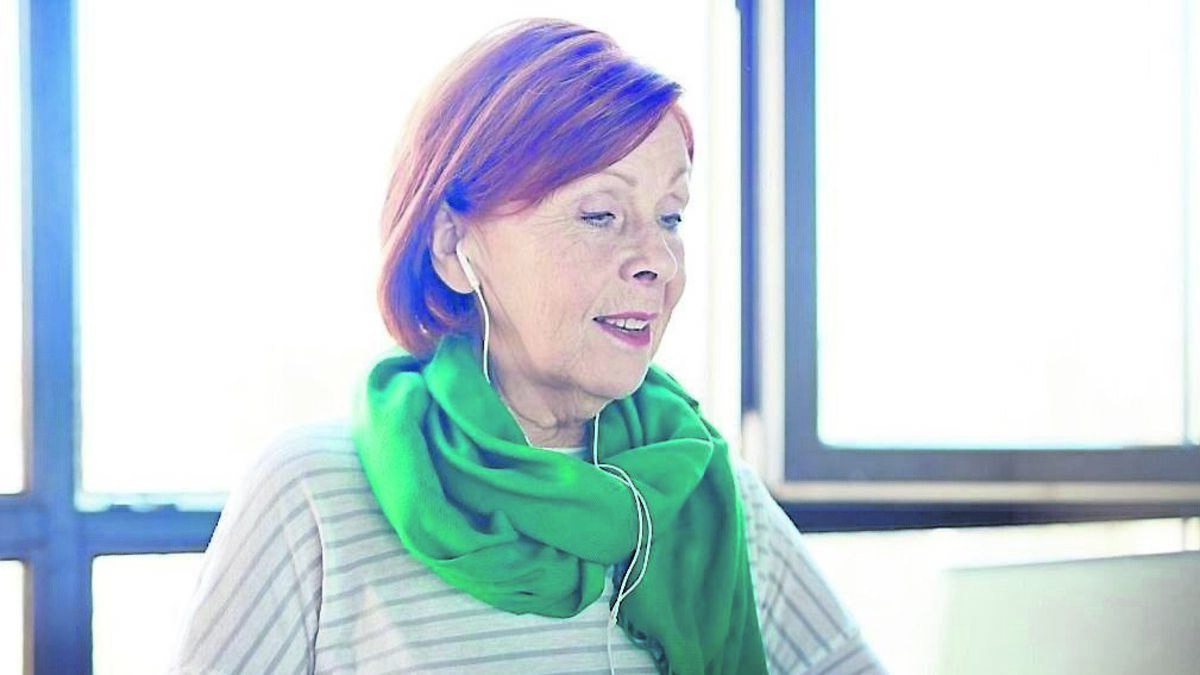
We need to think differently about women in perimenopause, says Dr Vanessa Emslie, Chief Medical Officer at Willbe Ltd
How we can help women through frailty gap

We need a reframing of female ageing as something that can be shaped, rather than endured

Women are living longer than ever. In Ireland, a woman born today can expect to outlive her male counterpart by several years.

But the uncomfortable truth is that living longer is not the same as living well.

For millions of women, the extra years come at a cost; old age can be spent managing chronic illness, cognitive decline, bone fractures, and cardiovascular disease.

Science has a name for this gap between lifespan and healthspan - the frailty gap. And it is uniquely disproportional to females who live an average of 10.7 years in this gap, compared to 8.1 years for men.

New research is beginning to explain why.

Perimenopause is not decline, it’s reprogramming: For decades, menopause has been framed as a story of loss. The decline of reproductive hormones marking the end of a biological chapter. But molecular biology is revealing something far more complex, and in some ways, far more important.

Perimenopause - which can begin in your early forties - is being considered by emerging research as a genomic reprogramming event. A period where shifting hormone levels directly reshape how genes are expressed, impacting how cells age, and how the body responds to disease.

The mechanisms involved are precise and measurable. During perimenopause, key hormone-sensing genes undergo progressive hypermethylation - a chemical change that essentially silences them, reducing the body’s ability to respond to circulating hormones.

Chromatin structures in the brain, bones, and cardiovascular tissue shift toward a repressed state. Telomeres, the protective caps on chromosomes, accelerate their shortening. And epigenetic clocks - the molecular tools scientists use to measure biological age - register what the data makes undeniable: menopause can age a woman’s biology by 6-9 years, independent of how old she actually is.

The consequences are not abstract. They correlate directly with the increase in cardiovascular disease, osteoporosis, type 2 diabetes, and cognitive decline that occurs in the decade following menopause.

These are not coincidences of timing - they are the downstream effects of hormonal signals silencing the genes that used to protect us.

Where longevity is won or lost

Female health and longevity are disproportionately reshaped by the hormonal-genomic changes of perimenopause. Understanding them is the foundation of intelligent prevention.

1. Metabolic Health: Women entering menopause early carry a 50% higher risk of developing type 2 diabetes, and late perimenopausal women show around 30% lower insulin sensitivity compared to their premenopausal selves. Perimenopausal weight gain (long blamed on lifestyle) is in fact the result of estrogen-sensitive genes being progressively silenced. When these metabolic regulators go quiet, the body’s ability to burn fat, maintain insulin sensitivity, and power its mitochondria is compromised.

2. Bone Health: About half of postmenopausal women will receive an osteoporosis diagnosis, and fracture risk carries an estimated 50% genetic component. When estrogen declines, genes shift the balance between bone-building osteoblasts and bone-resorbing osteoclasts - accelerating loss at precisely the moment a woman’s genetic predispositions are least buffered by protective hormonal signals.

3. Cardiovascular Health: The leading cause of death in women globally and early menopause (before age 50) increases cardiovascular and stroke risk by about 25%. After menopause, women’s cardiovascular risk rapidly supersedes that of men.

4. Brain Health: Up to 62% of women report cognitive difficulties during perimenopause, and 59% of UK women cite menopause as having a negative impact on their careers. Postmenopausal women show a steeper rise in dementia incidence than men of the same age.

5. Biological Ageing: The longevity genes are hormone-sensitive. With declining estrogen and testosterone, these protective programs are progressively switched off, accelerating cellular senescence, reducing DNA repair efficiency, shortening telomeres, and hastening the onset of the frailty and multimorbidity that define the female health-span gap. The six-to-nine year acceleration of biological ageing measured by epigenetic clocks is not inevitable. But preventing it requires knowing which genetic pathways are most vulnerable.

Insight to action: Rather than just measuring hormone levels, we should be analysing the genetic architecture that determines how a woman produces, metabolises, detoxifies, and responds to hormones, alongside how her hormone trajectory could reshape her gene expression. Two women presenting with identical estrogen levels and identical symptoms may require entirely different interventions.

A woman with reduced ESR1 receptor sensitivity and fast CYP1A1 metabolism will clear estrogen quickly, leaving her undertreated on a standard HRT dose - her hot flashes unresolved, her bone density declining and her cognitive complaints dismissed. A woman with heightened receptor sensitivity and slow COMT clearance on the same prescription may experience worsening breast tenderness, anxiety, and fluid retention - driving her to discontinue a therapy that, properly calibrated, could have helped protect her brain and heart for decades.

The future of women’s longevity medicine should include:

Polygenic stratification or groupings that can identify risk areas before symptoms emerge

Hormone replacement therapy calibrated not to population averages but to individual genetic architecture

Nutritional and lifestyle interventions that have epigenetic impacts to optimise specific gene variants

A fundamental reframing of female ageing as something that can be actively shaped, not passively endured.

For those navigating perimenopause today, understanding your genetic blueprint in context of a female-hormonal lens offers something genuinely new: not just a better understanding of what is happening in their bodies, but to impact what happens next. The biological clock is ticking - but we can now read it.

  • Dr Vanessa Emslie (PhD) is a leading expert in female hormonal health and longevity, and the Chief Medical Office at Willbe, a UK-based female health and longevity company, combining genetics, hormone testing, and bioidentical HRT.


More in this section

Many colorful electronic cigarettes in the hands of a teenager. Vaping with nicotine. Danger for teenagers. Cork Views: Vital tool in fight against nicotine and vapes
How to get involved in Bike Week 2026 Kathriona Devereux: On your bike..It’s so cheap and you skip jams and parking grief
Portrait Of Loving Senior Couple Enjoying Autumn Or Winter Walk Through Park Together Trevor Laffan's guide to retirement: Go out, meet people, and stay positive

Sponsored Content

55 years of Cork Simon Soup Run: The light that has never gone out 55 years of Cork Simon Soup Run: The light that has never gone out
Yuno Energy is powering ahead thanks to a relentless focus on customer service Yuno Energy is powering ahead thanks to a relentless focus on customer service
How to get involved in Bike Week 2026 How to get involved in Bike Week 2026
Contact Us Cookie Policy Privacy Policy Terms and Conditions

© Examiner Echo Group Limited

Add Echolive.ie to your home screen - easy access to Cork news, views, sport and more