Cork festival highlights how the art world and neurodiversity can combine
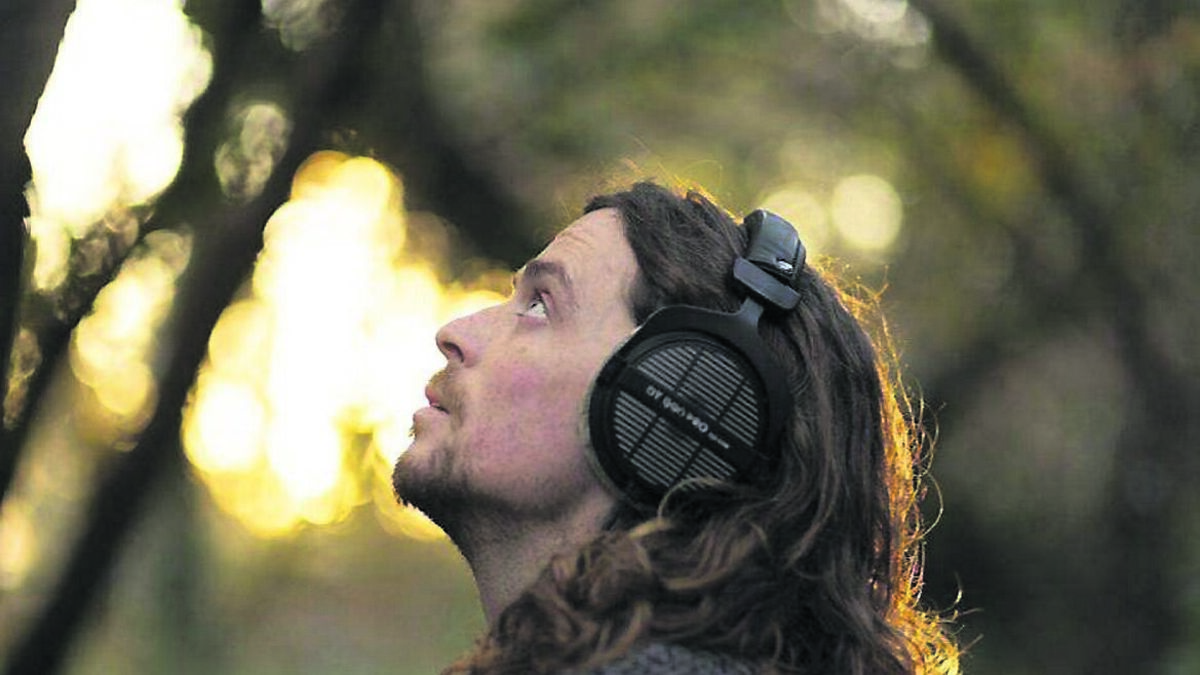
Cork ornithologist Seán Ronayne is involved in a discussion as part of the Neurofestivity event
Working in the arts is attractive to neurodivergent people, as visual and performative art often involves intense, detailed patterns or highly expressive non-traditional techniques that reflect sensory experiences or hyper-focus.
With this in mind, the second edition of Neurofestivity is returning to Cork. Produced by Cork Opera House in partnership with UCC and lead artist, Jody O’Neill, and funded by Cork City Council, the festival takes place on the UCC Campus on April 24-25.
This is Autism Acceptance Month, and people often remark that there seem to be more and more diagnoses of Autism Spectrum cases, including among adults.
Based on 2024-2025 research and Central Statistics Office data, an estimated 15- 20% of the general population is considered neurodivergent. Some 18.7% of adults in Ireland have been diagnosed with a specific neurodiverse condition or suspect they are neurodiverse. Included are individuals with autism, ADHD, dyslexia, dyspraxia, and other neurological variations.
Jody, who was the autistic theatre-artist-in-residence at the Cork Opera House in 2022-2023, helped initiate Neurofestivity in 2023.
This year, the festival will platform neurodivergent artists’ voices, offering a programme of performances, workshops, panel discussions and exhibitions.
A centrepiece of this year’s programme is Jody’s critically acclaimed play, Grace, produced by Graffiti Theatre Company and Once Off Productions. It explores themes of grief and communication.
Having received her diagnosis of autism at the age of 39 in 2019, Jody believes the reason autism seems so prevalent is because there is better education around it leading to more understanding. There are also better diagnostic criteria and more visibility, particularly on social media.
“I’m not a fan of social media but it has had a huge influence in terms of connecting people and informing people and changing perceptions around what neurodiversity looks like,” says Jody.
Her diagnosis came about as a result of her research for a project looking at how autism is presented in the media as well as how education accommodates autistic and neurodivergent people. This was in 2017-2018.
“The word ‘neurodiversity’ had barely made it into Irish media and conversation at that time whereas it’s so prevalent now,” said Jody. “From my research, I realised that (autistic) people’s experiences were something I had experienced my whole life and wouldn’t have been able to articulate.”
She says that as a child, she had “massive intense highly-focused interests” in ballet, reading, writing and art. But because they were socially accepted hobbies, no red flags were raised. However, Jody identified with autistic people’s challenges and strengths. Having self-identified, she then went through the diagnostic process.
Jody’s research was for a project entitled ‘What I (Don’t) Know About Autism’. It was a co-production with the Abbey Theatre and toured to the Everyman.
While the arts have created a safe place for many neurodivergent people to blossom and have successful careers, there are still “massive barriers” says Jody. She points out that in Ireland, so much connecting and networking happens in environments like pubs “which are entirely inaccessible to many neurodivergent people. So you lose the opportunities. I see a lot of really talented people being overlooked because they can’t engage in that kind of game. There’s an expectation that you should be able to negotiate professionally and informally and socially, all at the same time. There’s less of that these days but I do think it still happens.”
Also, applying for funding grants can be inaccessible if you are dyslexic, autistic or have ADHD. Such is the nature of the often complex application process “that we’re losing huge potential by not making structures accessible. That’s not just in the arts, it’s across the board”.
Neurofestivity will feature Unveiled, a play-in-progress by Max Whelan. A non-speaking autistic artist, Max recently appeared in the Virgin Media 1 series The Assembly. Drawing on his own experience, Max’s debut play “is searing, political and full of humour and heart, challenging assumptions about communication and education in ways that are both urgent and unforgettable”.
The festival includes an outreach project in collaboration with Graffiti Theatre Company’s Beag project, which does a lot of work in early education settings. This will see a sensory workshop for children taking place in a school.
Most of the attendees at Neurofestivity will be neurodivergent artists, but it’s open to the general public as well. Jody points out that artists in general are at a disadvantage as there is no certainty of work with people going from project to project. Add to this the fact about 80% of autistic people are unemployed or underemployed. Jody says some people on the spectrum find it difficult to work for another person. Freelancing suits them but it can be hard to initiate projects and build a track record.
“It’s hard if you haven’t made it through the education system because that system didn’t suit your needs. So a person with autism can be lacking in professional qualifications.”
But Jody says even in the years since she was diagnosed with autism, there has been an improvement in terms of awareness. The next thing is acceptance and really acting on that. It’s important there is acknowledgement that people work better if their needs are accommodated.
Neurofestivity will feature discussions with renowned visual artist Aideen Barry and ornithologist Seán Ronayne. There will be a Photovoice Exhibition on display in the foyer of the Cork Opera House for the duration of the festival.
For further programme details, visit www.corkoperahouse.ie.

 App?
App?


