Áilín Quinlan: What TV drama tells us about online peddlers of hate and lies
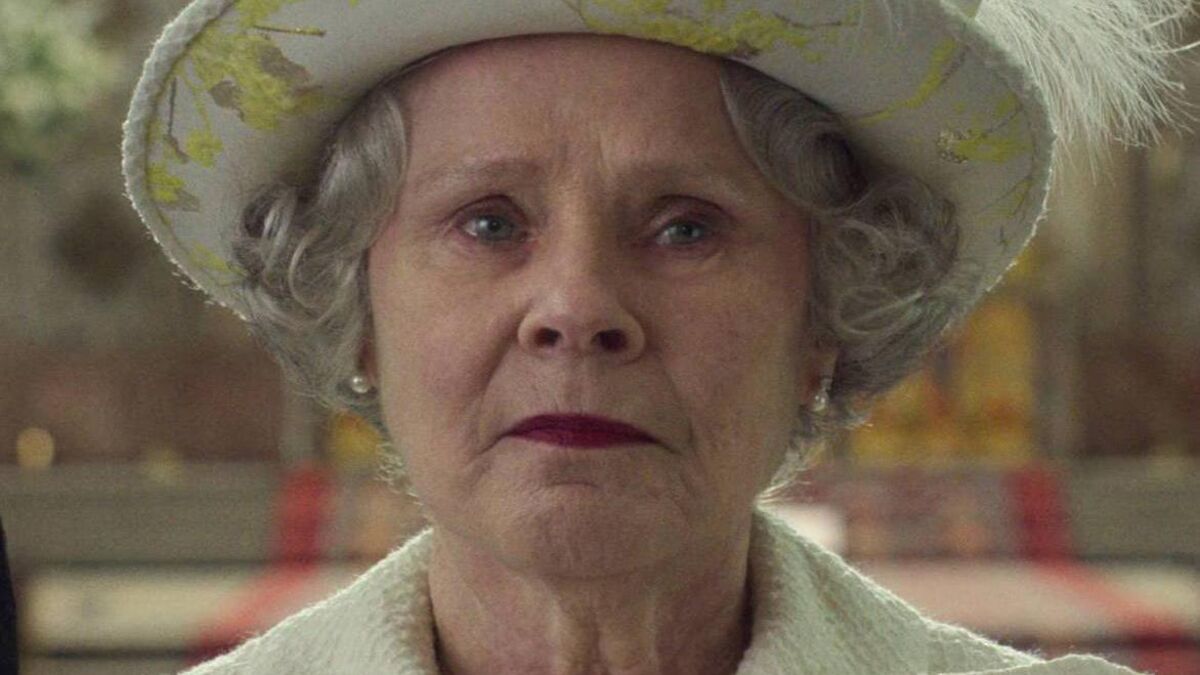
We’d had days of anxiety. Airwaves and television screens aflame with outrage. Blame sloshing around like firemen putting out a blaze.
The wind howled, the rain beat down, tailbacks expanded, petrol stations ran out of fuel, protesters dug in their heels, and a nation held its breath.
After three days of it, I gave up and switched on
It’s a long series, six seasons, starting around 1947 with the wedding of Queen Elizabeth II to Prince Philip, and ending with the marriage of Prince Charles and Camilla Parker Bowles in 2005. In between, it features iconic characters and a cascade of historic events, national and international.
But for me, what it boiled down to in the end was dignity and fortitude. The dignity with which Queen Elizabeth dealt with the hammer blows. The fortitude which kept her going. And the lessons her life can teach us.
Yes, I know is a fictionalised dramatisation.
But, how indomitable she was! The calm resilience, the stoicism and strength she displayed in the face of rudeness, condescension, and on occasion, the most vitriolic, personal and hurtful criticism. And not all from the public either. Quite a bit of it, it must be said, from those in her immediate environment.
There’s an old saying that goes: if you want to know me, walk in my shoes.
If you ask me, nobody even tried when it came to the Queen.
How misjudged she so often was by people who had not the slightest concept of the responsibilities she carried.
Little that she did earned praise; any perceived mis-step attracted a fusillade of censure and condemnation.
Yes, Queen Elizabeth made mistakes. Don’t we all. She wasn’t particularly warm or motherly to her own children. She came across as cold and disapproving to Princess Diana.
She could possibly have made a real difference by showing some genuine warmth and kindness to that lost, unhappy young girl as she matured into a wife and mother.
However, that being said, the stoicism with which she bore the sheer awfulness of the scandal-strewn separation and divorce of the embittered Charles and Diana was an inspiration.
Again: If you want to know me, walk a mile in my shoes.
Those who sneered, dismissed, and criticised, never walked a mile in the Queen’s shoes. Yet they felt eminently qualified to attribute sometimes wholly inaccurate motivations to her actions.
On one level, is the story of a Queen and her retinue of arrogant aristocrats , their servants, their sycophants, their scandals and their endless intrigues.
On another, is a searing education in real life, holding up a mirror to the good and the bad of humanity. And herein a lesson lies.
The series reflects our willingness to - often and without hesitation - leap aboard the bandwagon of someone else’s malice. To unquestioningly take another’s word about someone or something we know nothing about.
To cold-shoulder another based on inaccurate or malicious hearsay. To succumb to malevolent tittle-tattle. Even when we have no insight into the realities of somebody’s life.
How easy we find it to judge another from a position of ignorance. Without even remotely trying to walk in their shoes.
It’s worse now than it was during most of the Queen’s reign, of course, because of social media. People can hide behind assumed identities to express things they’d never dare say face to face.
We may attend church, but it’s another thing altogether to practise Christianity’s teachings about slander, tolerance, and understanding, isn’t it?
We’d be so shocked if someone referred to us as a troll, yet how we so often relish slander.
How similar we so often are to those little nodding dogs you used to see in the rear windows of cars.
We should pause and we should question before listening to gossip or making judgements on the basis of hearsay.
Just look at the trouble it caused in





 App?
App?


