Planning an Easter break? Be on alert for measles
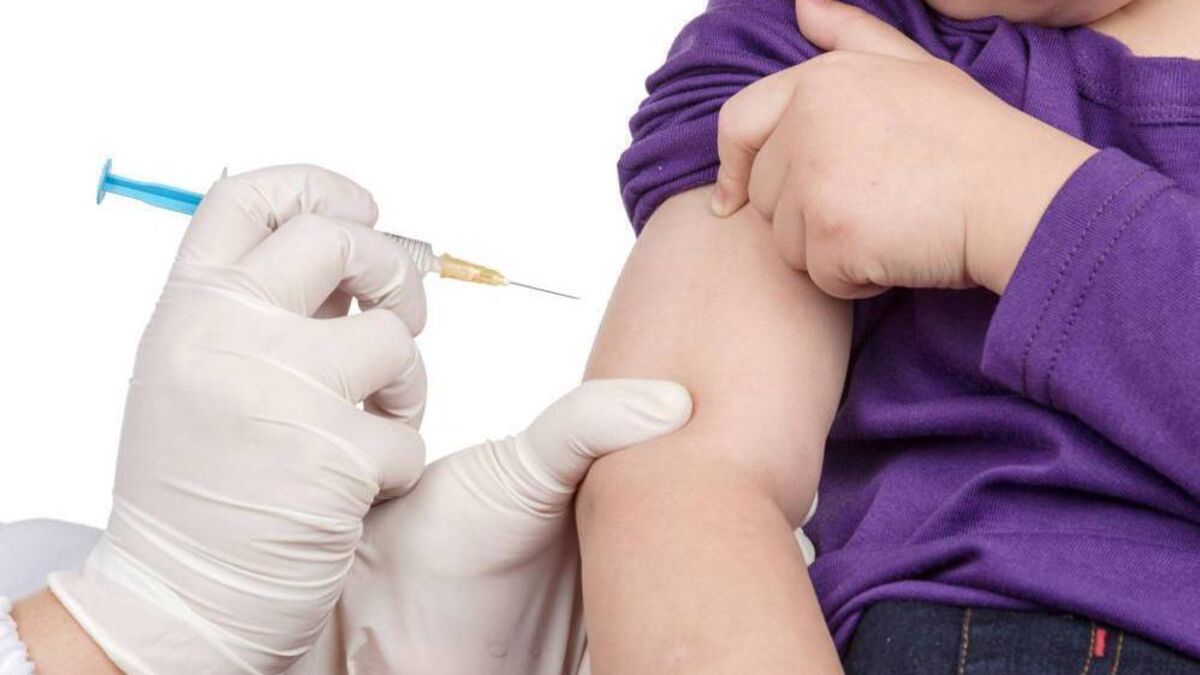
The good news is measles outbreaks can be contained by the vaccines
Measles vaccination was introduced nationwide in Ireland in 1985, when around 10,000 cases of it were reported. Two years later, the number dropped like a stone to 201 cases.
Forty years later, measles has not gone away. Health authorities in England are wrestling with an outbreak in dozens of school age children in London. To date, one in five of the children infected were hospitalised. Of those, none were fully vaccinated.
In January, the World Health Organisation (WHO) announced the UK lost its measles elimination status. It means there is no sustained transmission, so this decision was expected, given there were 3,600 suspected cases in 2024; and over 1,000 cases in 2025.
The move reflects the low vaccination rates – below the 95% threshold required to achieve herd immunity. This is achieved when enough people in a community are vaccinated against a disease, making it hard for the bacteria or virus to spread.
Ireland is designated by the WHO as a measles-free country, which means there has been no endemic transmission of it up to 12 months. However, with measles outbreaks being reported in the UK as well as in Europe and the U.S, there is no room for complacency
Last month, the Health Protection Surveillance Centre (HPSC) issued a travel advisory for people taking ski holidays in Europe or travelling to the Winter Olympics in Italy - advising them to be clear about early signs and symptoms of measles, and to ensure their MMR vaccines were up to date well in advance of travel.
The WHO and UNICEF reported that measles cases across Europe and Central Asia had dropped from 127,000 cases in 2024 to just under 34,000 cases in 2025. While this is moving in the right direction, the figures are underpinned by vaccine hesitancy post-covid across Europe, that leaves young children persistently exposed to the threat of a complex and potentially life-threatening illness.
While numbers remain low in Ireland, mid-term breaks, Easter, and pending summer holidays are all times of movement both into and out of the country. The HSE are concerned about the persistently low MMR vaccine uptake, that places children at risk of being unprotected if they are exposed to the highly infectious measles virus.
HSE data from the second quarter of 2025 showed MMR vaccine uptake among children aged 24 months was 87.6% - well below the WHO target of 95%.
What to know about measles
The virus is highly infectious, spreading rapidly from person to person through the air we breathe. It can linger in the air after a sneeze of cough. Estimates suggest nine out of 10 non-immune people exposed to measles will become infected. It is far more infectious than flu or covid-19.
It usually takes 7-14 days for symptoms to show up once a person is infected. Early symptoms include fever, cough, or runny nose. Painless white spots (Koplik spots) may appear in the mouth, followed by a distinctive blotchy rash on the face, trunk and limbs.
Unfortunately, a person with measles is highly contagious for days before the rash appears, leaving others at risk of exposure.
Measles is not just another cold. A host of complications can occur including brain inflammation (encephalitis) which can lead to seizures, hearing loss, or intellectual disability, pneumonia, eye inflammation (and occasionally vision loss), and poor pregnancy outcomes, such as miscarriage.
Rarely, a lethal condition called subacute sclerosing panencephalitis (SSPE) in the brain can develop years after the initial infection.
Complications are most common among children under five, adults over 20, pregnant women and people with an impaired immune system. Measles is fatal in up to three of every 1,000 cases.
Vaccination is highly effective
Two doses of the current vaccine provide 97% protection – much higher than other vaccines. Rarely, a person gets measles despite being fully vaccinated. When that happens, the disease tends to be milder and less likely to spread to others.
The safety profile of the vaccine is excellent. Common side-effects include temporary soreness in the arm, low grade fever, and muscle pain, as is true for most vaccinations. A suggestion that measles or other vaccines cause autism has been completely debunked. However, this often-repeated misinformation has contributed to significant vaccine hesitancy that has fuelled falling vaccination rates and the inevitable measles outbreaks that result.
Ways to protect yourself from measles
If you are planning an Easter break, now is a good time to check your MMR vaccination status. Due to ongoing cases and recent outbreaks of measles in Europe, the UK, and U.S, the HSE is urging everyone to be aware of the signs and symptoms and to make sure they are up to date with their MMR vaccines.
If you think a family member has measles or has been in contact with it, phone your doctor for advice. Keep your child at home and avoid having visitors unless they know they are protected against measles (they have had two doses of MMR vaccine).
If you aren’t sure about your measles vaccination history or if you are vulnerable to infection, consider a blood test to check if you are immune to measles. Memories about past vaccinations can be unreliable.
If you are headed to a place where measles is common, make sure you are up to date with vaccinations.
The MMR vaccine is offered to all children in Ireland as part of the Primary Childhood and Schools Immunisation Programmes. They are offered two doses of MMR vaccine at 12 months of age (MMR1) and in junior infants in primary school (MMR2).
If you think you or your child are not up to date with MMR vaccines, vaccination can be arranged with your GP. The MMR vaccine is available free of charge for individuals who are not age-appropriately vaccinated.
In addition, infants aged 6-12 months are eligible to receive an MMR vaccine, free at their GP, prior to travel abroad. It is recommended you receive this at least 14 days prior to travel.
The good news is measles outbreaks can be contained and the disease can be eliminated. Learn how to protect yourself and your family. Engage respectfully with people who are vaccine hesitant: share what you’ve learned from reliable sources, especially about the well-established safety of the vaccine.







 App?
App?


