Kathriona Devereux: One woman’s hidden pain as a lifelong endometriosis sufferer
A good friend of mine who has suffered from the disease since she started menstruating at the age of eight asked would I write a column to raise awareness. Of course I would.
Our conversations on this topic brought me to tears. I could fill this newspaper with how the disease has cruelly dictated her life.
Much of her suffering was compounded by inadequate medical knowledge initially and ineffectual and downright damaging treatments later. She eventually travelled to the U.S to get specialist treatment at great personal and financial cost.
My friend is a survivor who uses her precious energy to advocate for others - but she is just one story among many.
Endo impacts women in profound ways, and March marks World Endometriosis Awareness Month. Advocates for the condition want us all to be more informed about the disease that is estimated to affect one in seven women in Ireland, yet remains misunderstood, under-discussed, and often dismissed.
Endometriosis is a disease where tissue similar to the lining of the uterus grows outside the womb in other parts of the body, causing pain, scarring, inflammation and, in some cases, fertility problems and organ damage.
It can affect organs beyond the reproductive system, including the bladder, bowel, and even the nervous system. In rare cases, it is found in the diaphragm or around lungs.
Although endometriosis is connected to menstrual cycles, and some women experience different symptoms and flare-ups at different times of their menstrual cycle, it is not simply a menstrual issue. It is a whole-body inflammatory disease, driven by tissue growing where it does not belong.
Other gynaecological conditions such as adenomyosis, fibroids, cysts, and polycystic ovary syndrome, can overlap. That can make diagnosis difficult and underscores the need for better literacy among both the public and clinicians about what is normal and what is not.
Physical, psychological, and emotional toll
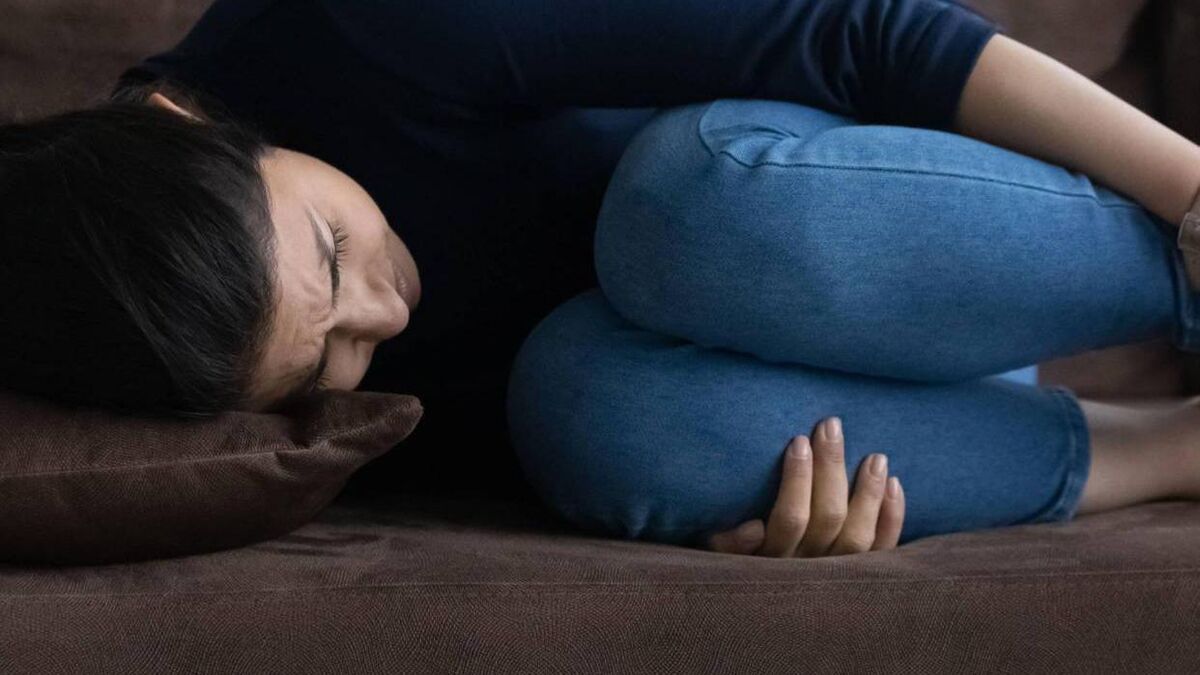
Endometriosis pain is often reported as worse than a heart attack, kidney stones, appendicitis, or even childbirth.
For decades, treatment for it in Ireland was substandard, or worse. Women with classic symptoms were dismissed and struggled for years to secure a diagnosis.
Anyone who knows the reality of living with constant pain knows how additionally exhausting it is when enormous energy is required to find the right consultant, secure the right diagnosis, and access the right treatment. Patients and advocates are no longer willing to accept it.
Last year, the Minister of Health Jennifer Carroll MacNeill and CEO of the HSE Brendan Gloster sat in a room for hours listening to the horror stories of women describing their lives of existing with debilitating pain, and being ignored and uncared for by various medical professionals
Spurred by the testimonials of patients, Carroll MacNeill, wrote to GPs outlining what she described as a step-change in how Ireland treats endometriosis. At the centre of those commitments is a new National Framework for the Management of Endometriosis.
This includes a pledge of additional surgeries for endometriosis patients. For too many years, women were offered ineffectual treatments like ablation, which cauterises the surface of endometriosis. As noted U.S specialist Dr Jeff Arrington put it: “Burning across the surface of deep endometriosis is like trying to melt an iceberg with a blow dryer. It leaves the most painful and symptomatic disease untouched.”
Excision surgery, where endometriosis is removed laparoscopically, is the gold standard treatment. For women waiting years for relief, these new promised surgeries represent real hope.
The problem is that medical expertise for specialist excision surgery is scarce in Ireland. Many women currently travel to Greece and Romania for treatment.
Minister Carroll MacNeill has announced a dedicated financial support scheme for those who wish to access treatment in international centres while waiting here.
The government is also exploring international fellowships for Irish clinicians to build specialist surgical expertise at home.
The framework also promises an expansion and formal recognition of fertility supports. Approximately a third of women with endometriosis experience infertility. For couples navigating both chronic pain and the heartbreak of delayed conception or successive pregnancy losses, clearer access to fertility treatment matters enormously.
Finally, a public awareness campaign is coming, aimed at both health professionals and the wider public. Awareness alone does not shorten waiting lists but it can shorten diagnostic delay. And for a condition that often takes years to be identified, that is no small thing.
Taken together, these measures represent the most structured national response to endometriosis Ireland has seen. The true test will be implementation. Will additional surgeries materialise? Will overseas support be accessible? Will specialist centres be resourced to meet demand?
For my friend, who still lives with the impacts of endometriosis, the knowledge that in the future young girls will get the timely treatment she was denied, gives her hard-won hope. And actually makes her feel a little bit better.






 App?
App?


