End road carnage by educating people - from primary age on
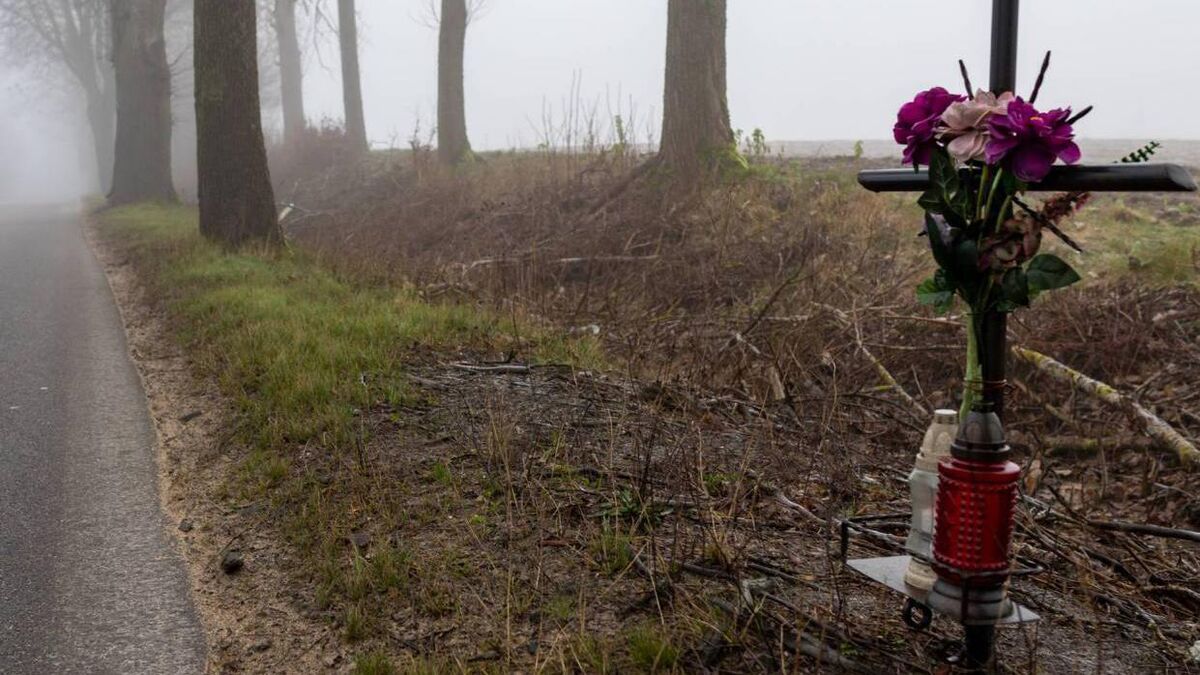
There have been 61 deaths on Irish roads this year, 16 more than had been recorded at the same stage in 2023, which was itself the worst year for fatalities on Irish roads in a decade.
The advocates said that the RSA bears responsibility for the implementation of the Road Safety Strategy 2021-2030, “the primary aim of which is to reduce the number of deaths and serious injuries on Irish roads by 50% by 2030”.
However, they complained that the data available to road safety researchers is insufficient or outdated. Historic road collision data is not being made available to road safety auditors, and the RSA is not providing up-to-date data which can be used to make the roads safer.
I suggest it’s not being shared with the general population either, and it should be.
If you listen to the traffic reports on the radio every morning, you will hear of disruptions due to accidents. There’s hardly a morning goes by without delays on the M50 alone because of tips, and this is where the RSA could be making a difference.
I investigated many traffic accidents in the course of my 35-plus years in An Garda Síochána, from the minor fender-benders to the more serious collisions involving death and/or injury.
Nothing unusual about that - it comes with the territory. Most police officers employed on outdoor duty will have to deal with those at some point in their career.
If they’re lucky, they might never have to call to a house to deliver the news to a family that their loved one is not coming home.
Many of these accidents could have been avoided, but as long as you have humans in charge of machines that can travel at speed, there will be accidents.
Human error is an important piece of this puzzle, and needs to be addressed.
In spite of all the road safety campaigns, garda traffic management plans, enforcement of the various pieces of new legislation, improved safety features in cars, better signage of black spots, and the introduction of anti-skid surfaces, the carnage continues.
Demands for more laws and more garda enforcement have come hot and heavy.
Another one said: “It’s early days yet, but if the Government and Garda Commissioner don’t act ASAP, we will see a repeat of last year’s figures and maybe even more. The issues that have to be addressed are not being addressed.”
Justice Minister Helen McEntee said that 2023 had been a “difficult year” on Irish roads, and she was working with gardaí to improve road safety.
Minister of State for Transport Jack Chambers has promised a new Road Safety Bill will be introduced into the Oireachtas early this year to amend the penalty points system, reduce certain speed limits, amend the rules on testing for intoxicants, to provide for drug testing to align with current rules on alcohol testing.
Denis Cusack, director of the Medical Bureau of Road Safety and a Dublin-based coroner, said a huge factor in the recent increase in road deaths was a “deterioration” in driving behaviour. He’s right of course.
It’s driver behaviour that needs to change, because the choices we make when driving will impact other road users, often with fatal consequences.
Every motorist assumes responsibility for their actions once they get behind the wheel. Minister McEntee, Minister Chambers, the RSA and the gardaí all have a role to play, but responsibility for dangerous and bad driving has to be placed squarely where it belongs, on the shoulders of drivers.
We can’t expect everyone else to fix it, and until we deal with human behaviour, we’re going nowhere.
I never came across a car that ended up on its roof while it was being driven normally and within the speed limit. I have never seen a car leave the road of its own accord in normal conditions and end up in a field or a river either.
Cars tend not to do that unless there are other factors at play.
Young people think they are invincible. Many of them believe that driving at speed is what marks them as experts. The faster the car goes, the better the driver they are, they reckon.
The reality is completely different, of course, and the only way to change that attitude is through education.
Today’s children are tomorrow’s drivers, so let’s teach them how to do it properly, starting in primary school and continuing right up to leaving certificate.
Teach them about driving safely, being courteous, and the importance of concentration. Highlight the causes of accidents and show how they can be avoided.
That will pay dividends in the long term.
The only problem, though, is that it will take time to achieve results, and we know how officialdom doesn’t like long-term strategies.





 App?
App?


