It looks scary, but the lynx is just a pussy cat - should we rewild them here in Cork?
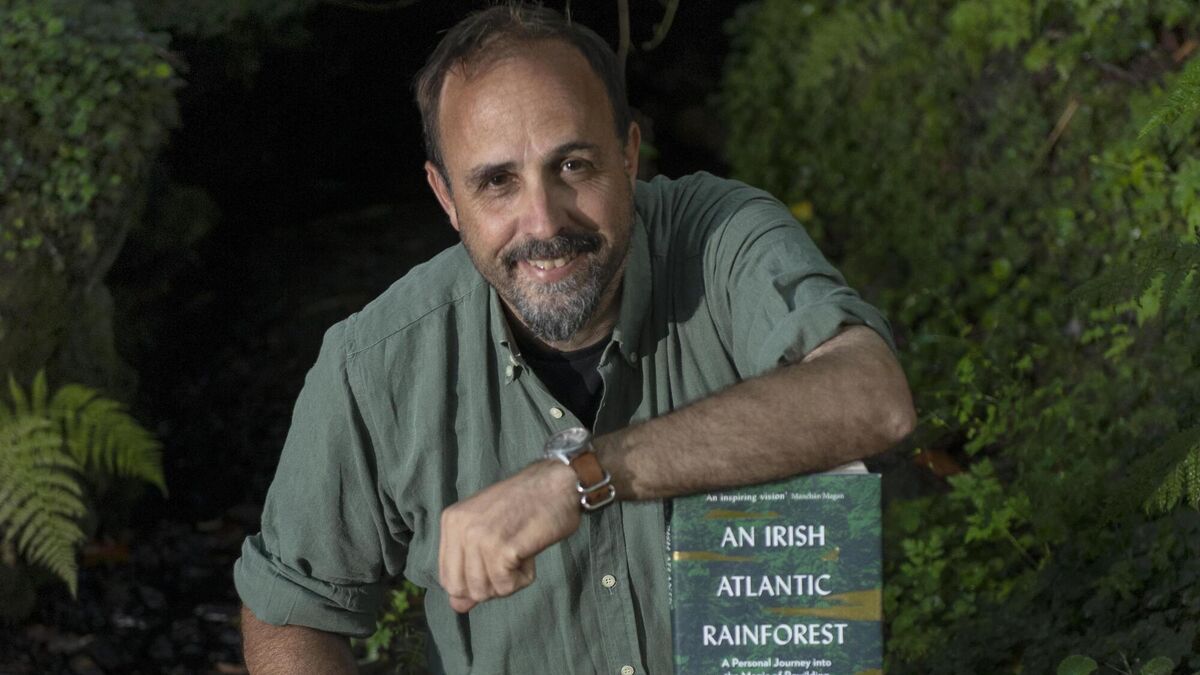
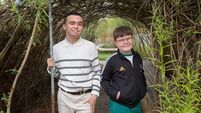
Eoghan Daltun with his book 'An Irish Atlantic Rainforest' at his home near Eyeries in West Cork.
A FEW years back, the publishing industry was gripped by a new phenomenon which became known as ‘misery memoirs’.
These were first-hand accounts of traumatic and godawful life experiences - think Angela’s Ashes: the dark, the grinding poverty, and all that biblical rain pelting down from Limerick’s leaden skies.
I could never understand why anyone would want to read such depressing books, and similarly, I feel the same about another publishing phenomenon in recent years with unremitting misery at its core, this time in the non-fiction genre: The climate change Book of the Apocalypse.
You know the type: The world is going to end in ten minutes, there is nothing we can do, it’s too late...
At least the Bible had some good bits and a generally uplifting message; these environmental tomes seem to all tell us we are going to be crucified on the altar of fossil fuels and the end of the world is nigh.
It was therefore with some trepidation that I began reading a new environmental book by a Cork writer, Eoghan Daltun.
Called An Irish Atlantic Rainforest, it documents his attempts to rewild a 73-acre farm he bought on the Beara Peninsula.
And, rather than a holier-than-thou preacher man, I was delighted to find somebody upbeat, positive, and, yes, inspiring.
More than that, Daltun is a beautiful writer, passionate about his life and work - and I have no hesitation in saying he has written the most fascinating, informative, yet accessible books about nature and the environment I have read in ages.
He certainly doesn’t hold back on the problems the planet is facing, but what makes Daltun unusual is he is not an academic or a political animal (that I can see), in fact, he is pretty much self-taught in the sphere of rewilding.
He is therefore not afraid to go against the environmental herd, and propose different and real-world solutions to the clear and present danger our planet is facing.
Just like that entrepreneur who was so impressed with a razor, he bought the company, Daltun was so committed to the dream of creating a renewed wilderness in Ireland, that he ploughed his own money into a farm in West Cork and turned his dream into reality.
In the book, he explains how this island - once made up of 80% forest - now has the lowest levels in Europe of it, just 1%. Farmland covers 72% of the Republic, but as Daltun posits, this isn’t the green and pleasant land it may first appear, in fact, it is quite the opposite, and far from natural.
There’s a striking lack of real wilderness in Ireland, and we have to act to change this.
Instead of wringing his hands about it, Daltun has dedicated himself to creating a little bit of wilderness on the Beara.
One of the most interesting sections of his book concerns the writer’s attitudes to returning native species to the lands they were banished from centuries, even millennia ago, by human hunting, fire, and agriculture.
Most of this debate tends to revolve around reintroducing wolves, and usually someone swiftly points out the fact Green Party leader Eamon Ryan has called for them to be reintroduced in Ireland almost 250 years after the species became extinct here.
Cue predictable hysteria from anyone who recalls reading Little Red Riding Hood as a child.
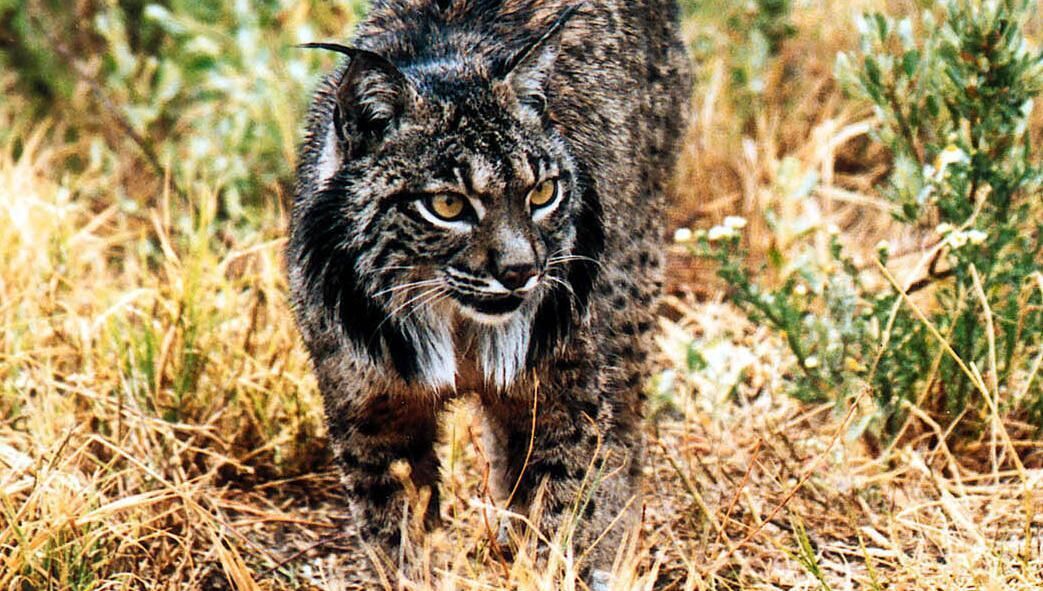
While Daltun acknowledges rewilding wolves is a contentious issue, he does come up with an alternative project for Ireland: The lynx.
Don’t be alarmed by visions of big cats prowling the streets of Bishopstown and Hollyhill (and don’t be put off by the photo with this story either!) Lynx would be released in remote regions, and in any case are said to be perfectly harmless towards humans - indeed, they are so shy and secretive that we would hardly ever see one. (I’ve been living in badger country for 20 years and never seen a live one yet).
It’s been 1,300 years since lynx roamed the UK - and plans are afoot to re-introduce them there, in Scotland and Northumberland - while a near 9,000-year-old lynx bone found in Kilgreaney Cave in Waterford suggests these beasts once lived here too.
So, you ask, what good would rewilding lynx in parts of Cork and Kerry do? Actually, as Daltun points out, quite a lot.
They would be highly beneficial to our eco-system. The predators eat deer and rabbits, both of which are a threat to the natural environment when they are allowed to breed without anyone above them in the food chain. (Indeed, deer are a threat to the odd car windscreen too).
Lynx would also help keep down fox and grey squirrel populations - helping the red thrive.
Now don’t go all Bambi and Thumper on me. Cordoning off the plentiful deer and rabbit populations from his paradise found was one of the first things Daltun did when he bought his farm and set out to create a proper Irish wilderness. Deer can do great damage to tree barks, for instance.
Yes, there really is method in this apparent madness of bringing a big cat into Munster and encouraging it to breed and stay.
It’s hardly as radical as you think either, a type of lynx still exists in the wild in some parts of Europe, such as Spain.
Daltun points out that any reintroduction of the lynx would need to keep farmers onside with reassurances and fall-back payments in case their livestock was affected.
He also makes the very good point that we in the West are mad keen to see big predators like lions and tigers survive in the wilds of Africa - despite the obvious dangers to their human populations.
And yet we can’t welcome back the cute old lynx through a misplaced fear that it will attack us? Come off it.
As for all you lovers of the domestic cat, worried that the lynx may be a threat to Tiddles... rest assured, there is no evidence of wild lynx attacking pet cats.
I, for one, am converted to this idea. Let’s bring back the lynx. As Daltun says: “What are we afraid of? Fleeting shadows?”
Oh, and buy his book, it’s a fantastic read.
An Irish Atlantic Rainforest: A Personal Journey Into The Magic Of Rewilding, by Eoghan Daltun, is published by Hachette Books Ireland.




 App?
App?


