I snapped up a €3,000 Dolce & Gabbana suit - for just €100!
The campaign encourages people to buy only second-hand items for 30 days in the month of September, in an attempt to reduce the environmental burden of fast fashion.
I buy the majority of my clothes second-hand, either by looking in vintage shops, charity shops or using the resale app Depop.
Frankly, that’s an immoral amount of money to pay for an item of clothing - but thank-you to the original owner who generously donated it to a charity shop!
So, for the rest of the month do, your pocket and the planet a favour, stop buying new clothes, and get yourself to a charity shop - who knows what treasures you’ll discover?
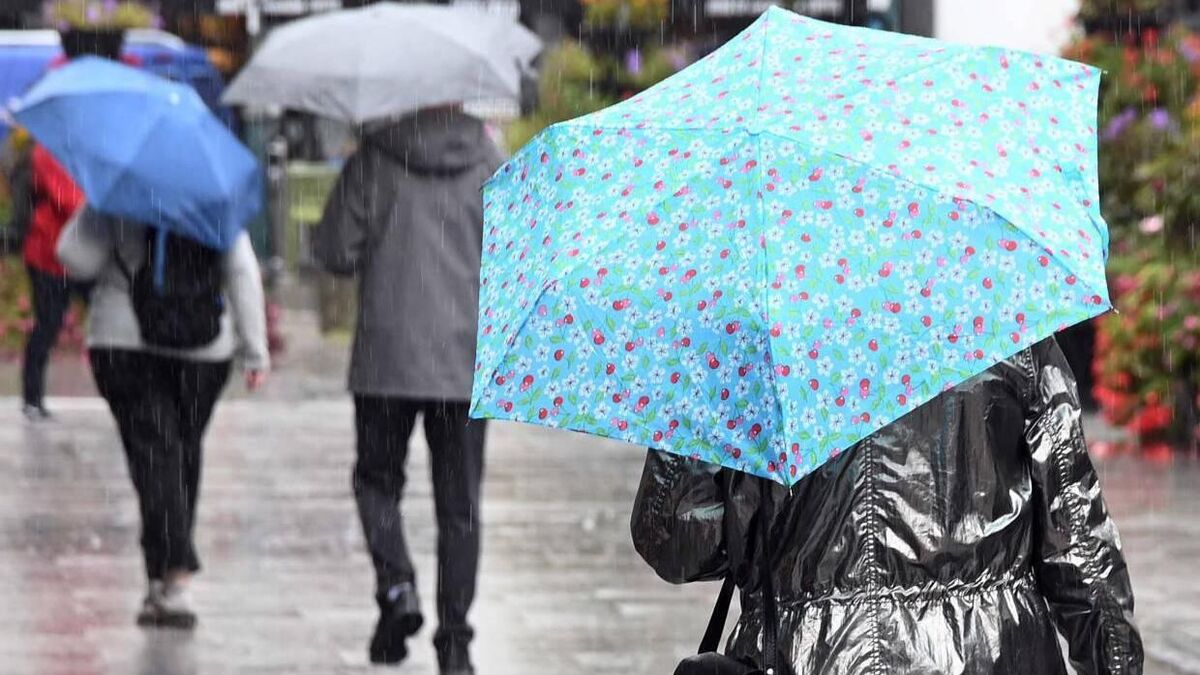
I don’t think I’ve ever celebrated precipitation, but last week I was very sanguine about what in the past would have been considered a miserable week of endless rain.
Despite a few complete changes of clothes from the monsoon-esque downpours, I reminded myself that we really needed the rain.
When you see dogs walking in The Lough with the water barely up to their ankles, you know that the water levels need replenishing. It is remarkable how quickly the burnt and bleached grass can bounce back.
My hairdresser, and font of gardening knowledge, reminded me that the crown of the grass at the base of the plant is a bit like a hair follicle on our head. Even if you shave your head completely, new hair will grow back.
The same applies for grass that looks yellow, crispy and dead; as soon as the rains return and growing conditions improve, new green grass will emerge because the crown has survived the drought.
Reading about drought-related stories like the appearance of corpses in drought-ridden Lake Mead in the US; or the centuries-old hunger stones exposed in dried up riverbeds in Europe; or the desperate cloud- seeding efforts of the Saudi Arabian government to generate rain by shooting salt flares into clouds from planes to provoke precipitation, are reminders of how lucky we are to live in a temperate climate.
Although it’s highly likely that this appreciation of rain will wane in the midst of winter, as we endure yet another status orange rainfall warning!
Crisis is the word of 2022. Ukrainian crisis, energy crisis, housing crisis, climate crisis, health crisis, staffing crisis...
Every aspect of life seems to be fallen by a chronic crisis. In the face of all this worry and angst, it might seem trivial or small-minded to be irritated by a bin, but the explosion of ugly bins across the city centre has really annoyed me.
In case you haven’t seen them (although they are impossible to miss) they are 54 enormous bins that are plastered in images of Shandon, Blackrock Castle and George’s Quay. Cork’s coat of arms adorns all four faces of the bin, along with messages about how the bins work and the motto ‘Love the Place, Leave No Trace’. Discreet they are not.
Smart solar bins that compact waste and can transmit messages to council workers when in need of emptying are a brilliant idea. In theory, we will no longer have overflowing rubbish bins or scattered litter on our streets, but why do these new additions to the streetscape have to be sheathed in garish Cork City Council marketing materials.
When you see some of the efforts that go into making our city beautiful, like the abundant flower displays, street cleaning, or the sympathetic restoration of old buildings like the former Victoria Hotel, now Easons, it pains me to see gaudy street furniture like these new bins that add nothing to the beauty of the city.
Remember when bins were shiny black with gold lettering Bruscar signs?
These are now called heritage litter bins and I guess have been consigned to history.
Could we not have subtle solar-powered bins? I’m sure there are a few architects knocking around City Hall that would have ideas for a more refined design.
Walk around many European city centres and core functions such as rubbish collection or public toilets are not highlighted by flashy signage or allowed to fall into a disgraceful decayed state like the Grand Parade toilets. Other European cities enforce higher aesthetic standards and I think Cork should too.
Imagine Paris, Copenhagen or Seville littered with the assortment of plastic wheelie bins we tolerate in our city neighbourhoods, or the cheap plastic facade signage that adorns many city centre buildings?
Nope, I can’t imagine it either.






 App?
App?


