The crazy, amazing world of aphids... in my back garden!
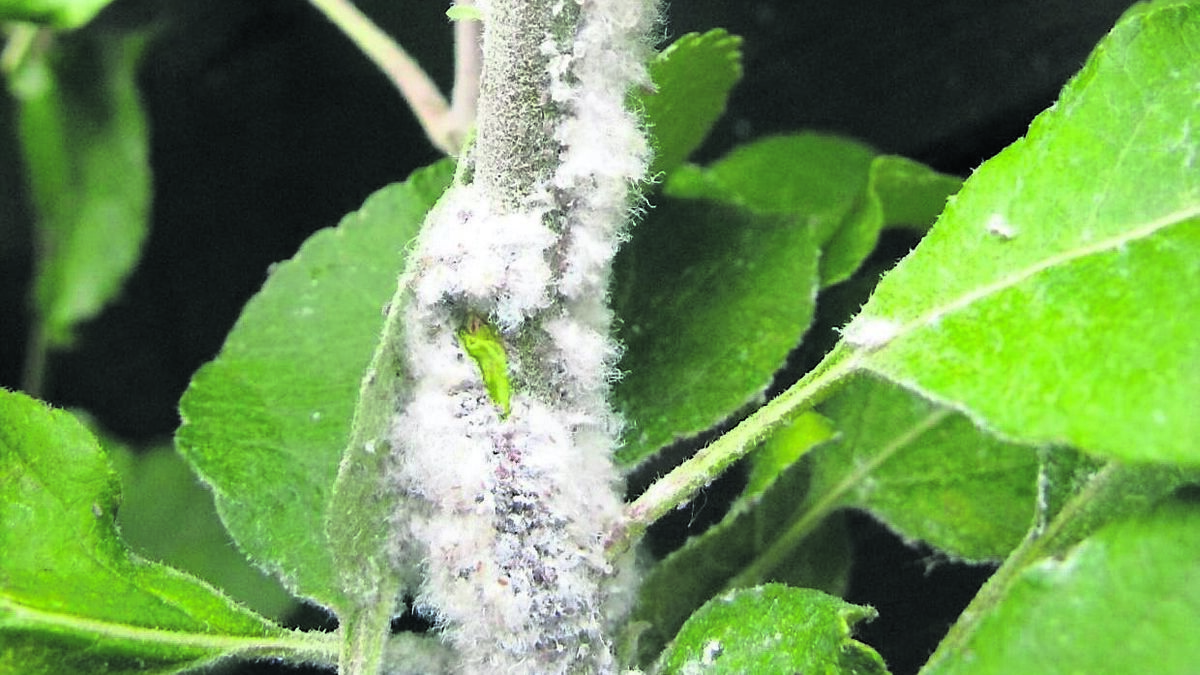
I was familiar with aphids like green fly, but not aware that there are 4700 types worldwide.
My aphid geekiness started with my sally tree at the end of my garden which was invaded by an army of creepy-crawlies. My daughter was very annoyed because the tree was suddenly off limits for climbing, unless you were happy to have your hands and clothes smeared with aphid blood, which she wasn’t.
Turns out giant willow bark aphids had moved in and were happily sucking the sap of the tree. The Royal Horticultural Society website assured me the tree would survive and that actually aphids support part of the biodiversity in healthy gardens.
When aphids suck in the sap they excrete honeydew. This is a lovely word for aphid poop and bees and wasps LOVE honeydew. Apparently, honey made by bees feeding on honeydew is a delicacy in parts of Europe and New Zealand.
Suddenly, our sally tree was alive with bees and wasps. These pollinators were off their faces on aphid poop, which is grand for them but less good for the plants living under the tree, where they are covered in a sticky substance that turns black and sooty.
I transplanted a few plants that looked like they were going to give up in the face of all this unwanted honeydew.
Coincidentally, my first shoot of the year for the forthcoming series of 10 Things To Know About... for RTÉ was also about aphids. A different type called grain aphids which affect tillage crops and are so small they appear as black dots on a leaf, in comparison to my chunky giant willow aphids.
Firstly they reproduce by cloning themselves. They are predominantly female and give birth to a mini version of themselves called a nymph, which is a DNA replica. This nymph is also pregnant with the next generation of aphid. They are like Russian dolls, with three generations contained in one, so they breed quickly.
If conditions are unfavourable, they have extraordinary adaptation techniques. During autumn months as it gets colder, aphids produce a male version of themselves which they mate with to lay eggs, which can survive the cold and hatch when the temperatures improve after winter.
Or, and this trick is particularly impressive, if the environment around them changes, for instance if insecticide is sprayed, they can give birth to a winged version of themselves which then flies away and finds a better spot to colonise!
So, aphids are amazing insects but they are a pest for tillage farmers because some carry plant viruses and diseases that stunt crops and reduce yields. Some farmers have seen a drop in yield by almost 30% this year, equating to losses of thousands of euros.
Keeping on top of them will be a challenge as farmers are committed to reducing insecticide usage, so the tools at their disposal for managing pests are limited.
Since swotting up on aphids and their life cycles, I have met other people dealing with an aphid infestation and a bee and wasp tree takeover.
One had called out a pest management company to ascertain if there were hives in her tree to explain the thousands of bees and wasps who had colonised it. There weren’t, just those honeydew-loving pollinators.
Another friend had to deal with the frustration of having his planted willow tunnel cut down by a health and safety conscious caretaker.
A blast of high pressure hose would have dissipated the aphids, honeydew and bees and wasps, allowing the willow tunnel to survive for another season.
Ladybirds and hoverflies are aphids’ natural predators but often don’t appear in the season until the aphid colonies are well established and causing damage.
I’ve been on the look-out for ladybirds in my garden to transfer them to feast on my tree, but they are in short supply. Perhaps farming ladybirds to predate aphids will become part of the pest management toolkit of the future.
I’m generously sharing a moment of stupidity to spare you the cost and time penalty that I self-inflicted on my way home from that aphid-related shoot.
Perhaps I was tired from an early start and a busy day, anxious to get on the road for the two hour journey ahead, had too many aphid factoids running around my brain, or simply don’t fill up my car that often... but as I faced a bewildering selection of fuels at the petrol station promising various efficiencies and I hesitated a moment and went ahead and filled my fuel tank to the brim with unleaded petrol.
One kilometre down the road, my car juddered and I remembered I drive a diesel car. Oops.
I checked the receipt and confirmed that, yes, I had just committed the ultimate blonde moment.
My breakdown assistance doesn’t cover ‘misfuelling’, which is a kind corporate way of saying ‘act of stupidity’ so the only solution was to call a man with a giant compressor type machine to suck the fuel out of the engine.
Two hours and €250 later, I was back on the road with yet another reason why my next car will be an electric one!







 App?
App?


