Ashes to ashes... the rise and fall of the rag-and-bone men
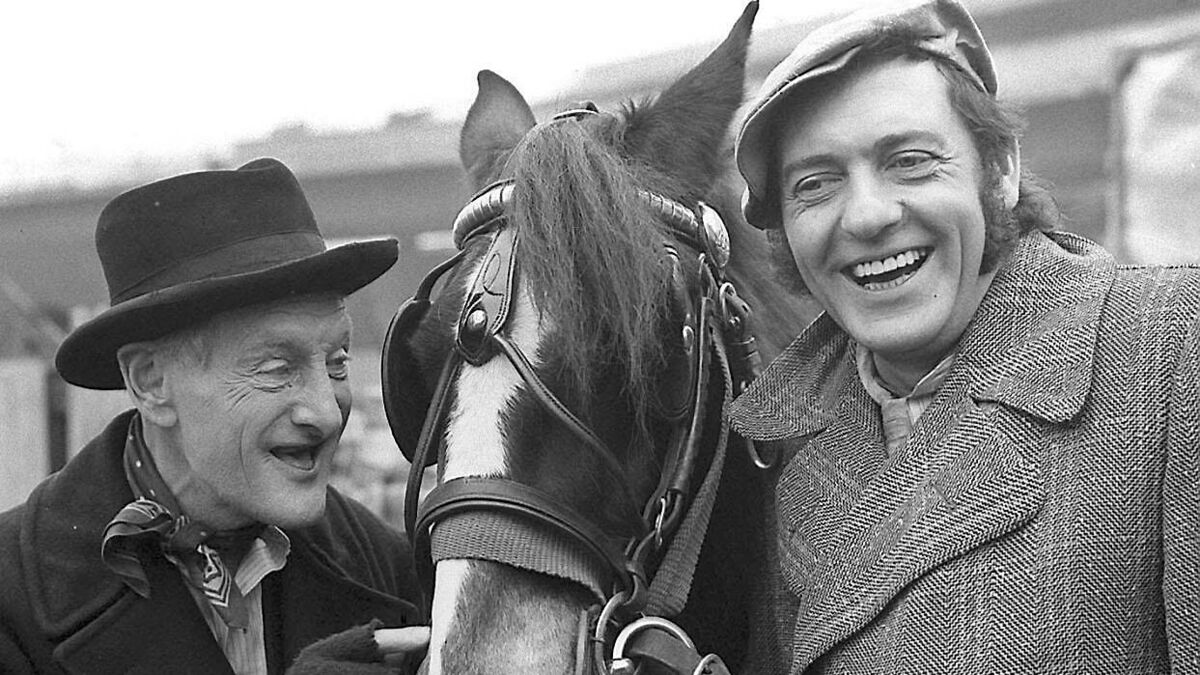
You could say they were the original recyclers because they collected anything with a re-sale value and put it back in circulation.
Scrap metal was melted down and reformed, rags were sold to paper mills for use in the making of certain types of paper, and old bones were used in fertilisers and soaps.
Just in case you didn’t know, soap was once made from ash and lime mixed with oil and beer or mutton fat, which was heated to a high temperature before being mixed with flour and made into the required shape. None of your fancy cleansers back then.
Anyway, I’m too young to remember rag-and-bone men, but I do remember the traditional dustmen. They hoisted the bins onto their shoulders and tipped the contents into the back of the dust lorry. You knew when they were coming too, because they dropped the metal lids on the footpath as they went along and made quite a racket.
Lonnie Donegan had a song about them that hit the top of the charts in 1960.
Oi! My old man’s a dustman
He wears a dustman’s hat
He wears cor-blimey trousers
And he lives in a council flat
There wasn’t much household waste though because very little was thrown away. Clothes, for example, were handed down from one child to the next, and when they were torn, they were patched. When they could be patched no longer, they were cut up for rags, and any decent pieces left over after that were put aside to be used in future patching jobs or given to the rag-and-bone man.
Before refrigeration, food was bought as it was needed so there was little waste. Fruit and vegetable skins went onto garden compost heaps, or were given to the guy who collected food for his pigs.
I can remember as a child, putting the metal bin out on collection day and I think it was more awkward than heavy, but they were eventually replaced with a plastic version and the hot ashes put holes in many of them until people tuned in.
I don’t know if they made life any easier for the bin men, but things certainly got quieter on collection day.
The term ‘dustman’ is still used, even though waste disposal has changed completely. Gone are the days when everything ended up in the local tip or quarry. They weren’t the most hygienic places. They stank and attracted lots of rats and other vermin and regularly went on fire, sending putrid smoke over our towns.
Choosing the right day for the right bin can be tricky too, but it’s worth the effort because the end result is a cleaner environment.
Cyprus, my favourite holiday spot, has a different system. There, they use large industrial type bins, and everything goes into those. They’re placed by the footpaths in residential areas, but the downside is the area around the bins can get messy.
While they do have lids, nobody bothers closing them, so cats and birds get in and scatter stuff everywhere, particularly when the bins are full. Startled cats frequently jump out and frighten the life out of you when you throw in a bag. Especially at night when it’s dark.
Cyprus experiences the heat of the Mediterranean sun, so the bins can get smelly, but they’re emptied regularly, and the system works well most of the time. There is also an unofficial system in operation and I’m pretty sure it involves a secret society of rag-and-bone men.
I had a few things I needed to get rid of, and as recycling isn’t popular in Cyprus yet, I wasn’t expecting to find a recycling centre, so I asked a local resident where the nearest tip was. He advised me to leave the items on the ground by the bins. I thought this was unusual and felt a bit uneasy, but did as I was told.
I had two old suitcases I didn’t need any more, so I brought them out by the bins and left them there. I felt like a criminal as I walked away and when I left the complex shortly after that, I half expected to be abused by someone for littering the street. But then I noticed the cases were gone. Both of them.
I tried again the next day and put out an old TV set ,and hey presto, that disappeared too.
When I checked half an hour later, it was gone as well, but there was nobody around. I haven’t seen anybody taking anything either, so there is only one explanation; they are invisible.
Here at home, our refuse collectors are very visible. They’re hard-working too, and we’d be lost without them.
They’re out and about in all weathers, exposed to fumes, gases, dust and God knows what as they go about their business, and we’re grateful for the work they do.
I’m grateful to my rag and bone people in Cyprus too, but I can’t tell them. Maybe I should just leave a note by the bin.







 App?
App?


