I was proud to be a guard, but a few bad eggs can stain badge
Although, not long after walking through the gates of the Garda College in Templemore, a few doubts did creep into my mind when I found myself in a large hall, watching a guy giving a demonstration on how to make a bed.
I wasn’t very experienced in the bed-making department, but I still wondered if it was really necessary to be getting lessons.
These days, it’s a lot simpler, you simply straighten out a duvet, but back then, we had no such luxury. We had grey, hairy woollen blankets with a top sheet and a bottom sheet, and every morning they had to be folded and stacked on the bed – military style.
The blankets had a couple of lines running horizontally across each one, and when they were folded, the line had to run along the fold, and it had to be straight. The blankets were then stacked on top of one another, and the folded sheets went on top of them, followed by the pillow.
That pile was inspected at some stage during the day by a qualified bed inspector and there would be consequences for any breaches of the folding etiquette.
Making the bed first thing in the morning sets the tone for the rest of the day and it’s a habit I’ve retained all my life. Unfortunately, it never extended to the younger members of my household.
Contrary to what some commentators suggest, An Garda Siochana is a disciplined organisation. The rules and regulations are laid out in the Garda Siochana Code, which is a tome we all received when we came through the gates of the Garda College and retained until we handed it back on retirement.
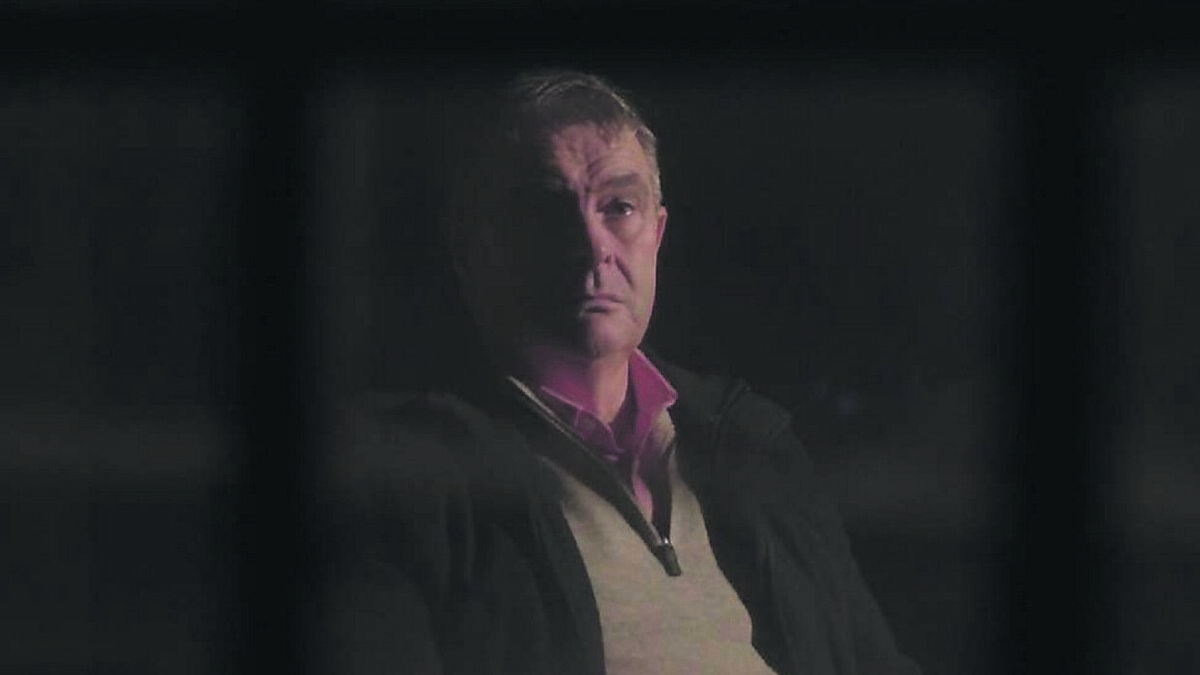
This rule book guided us throughout our service, but like every organisation, we had our black sheep too. Some broke the rules, as evidenced by the revelations in Crimes & Confessions, a three-part series on RTÉ1 which aired recently.
The RTÉ promotional piece described this programme as a ground-breaking three-part true-crime series looking at three of the most notorious miscarriages of justice cases from the 1970s and 1980s, and draws links between them.
It promised to shine a light on rumours of a Garda ‘Heavy Gang’, the existence of which has been denied for more than 40 years.
I watched the three episodes and found them difficult viewing. Having spent over 35 years working in An Garda Siochana made it all the more uncomfortable.
Listening to those stories brought about a range of emotions. I was embarrassed at first but then I got angry. I was angry at the investigators. Not only for what they allegedly did to those unfortunate people, but also for what they have done to the reputation of an organisation I was proud to be a part of.
I was aware of the existence of the murder squad, and I had heard the term ‘Heavy Gang’ but I didn’t know anybody attached to it. I never saw them in action either so I can’t offer any clarification on the tactics they used.
The programme referred to interrogators, a special group within the Murder Squad known as the ‘Heavy Gang’, who allegedly assaulted and threatened suspects to obtain confessions.
I don’t know how many of them are still alive today, but it would be interesting to hear from them or from anyone else who could shed light on the activities of this group.
They may have been few in number, the figure of 20 has been mentioned, but they have caused a lot of hurt. Not only to the injured parties and their families, but also to the decent members, past and present, of An Garda Siochana who performed their duty with distinction.
The RTÉ series makes it difficult to deny the existence of a ‘Heavy Gang’. The condemnation and the criticism that followed the airing of the programme has to be taken on the chin by An Garda Siochana and they must ensure nothing like that ever happens again.
On a more positive note, there have been many changes since then.
The video recording of interviews in garda stations now provides protection for prisoners and suspects. The rules and regulations governing the treatment of persons in custody in garda stations have completely changed too, with designated officers in place who have specific responsibility for their safety.
The events depicted in the programme happened more than 40 years ago and those involved have long since retired or are deceased. It’s up to others to determine what should happen in relation to those allegations.
Since then, thousands of men and women have served An Garda Siochana well. Many paid the ultimate sacrifice by giving their lives in the service of the State.
I was proud to wear the uniform and fortunate to have encountered some exceptional men and women during my time. I experienced many courageous and heroic deeds performed by my colleagues and witnessed some amazing displays of humanity along the way too.
That should also be remembered.




 App?
App?


