How Tesco’s Community Fund is helping to keep a vital search and rescue team afloat
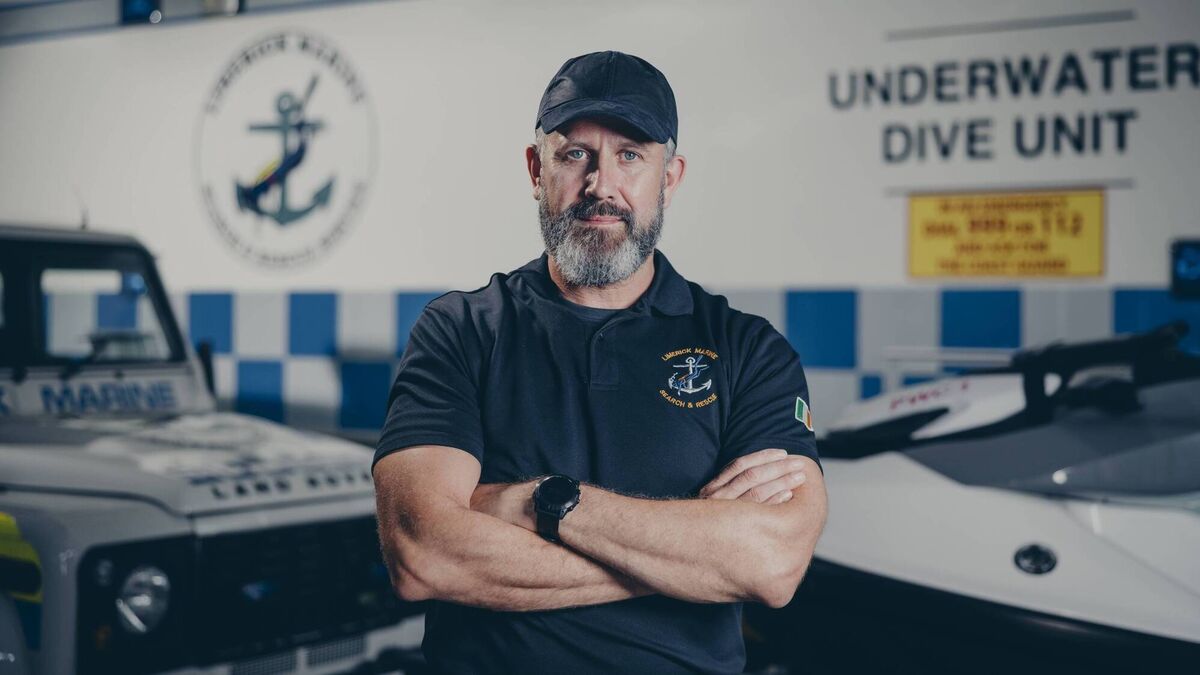
Diarmuid Moriarty, chairman of Limerick Marine Search and Rescue
For 40 years Limerick Marine Search and Rescue has been a vital part of Limerick’s emergency response community, ready to help when people get into difficulty on the River Shannon.
The organisation, which is run entirely by volunteers, was established in 1986 following the tragic loss of a young boy in the river at a time when no such service existed.
It was founded by members of a local recreational sub aqua club who were determined no family would face a similar situation again.
Today, its 23 active volunteers, who come from all walks of life, manage a dedicated dive unit and surface search team, providing a 24-hour emergency response service.
Officially tasked by the Irish Coast Guard, they work alongside other emergency services including An Garda Síochána, the fire service, ambulance service, and Coast Guard helicopter units.
Its volunteers are available around the clock, leaving work or home at a moment’s notice for searches that can last for hours and even days.
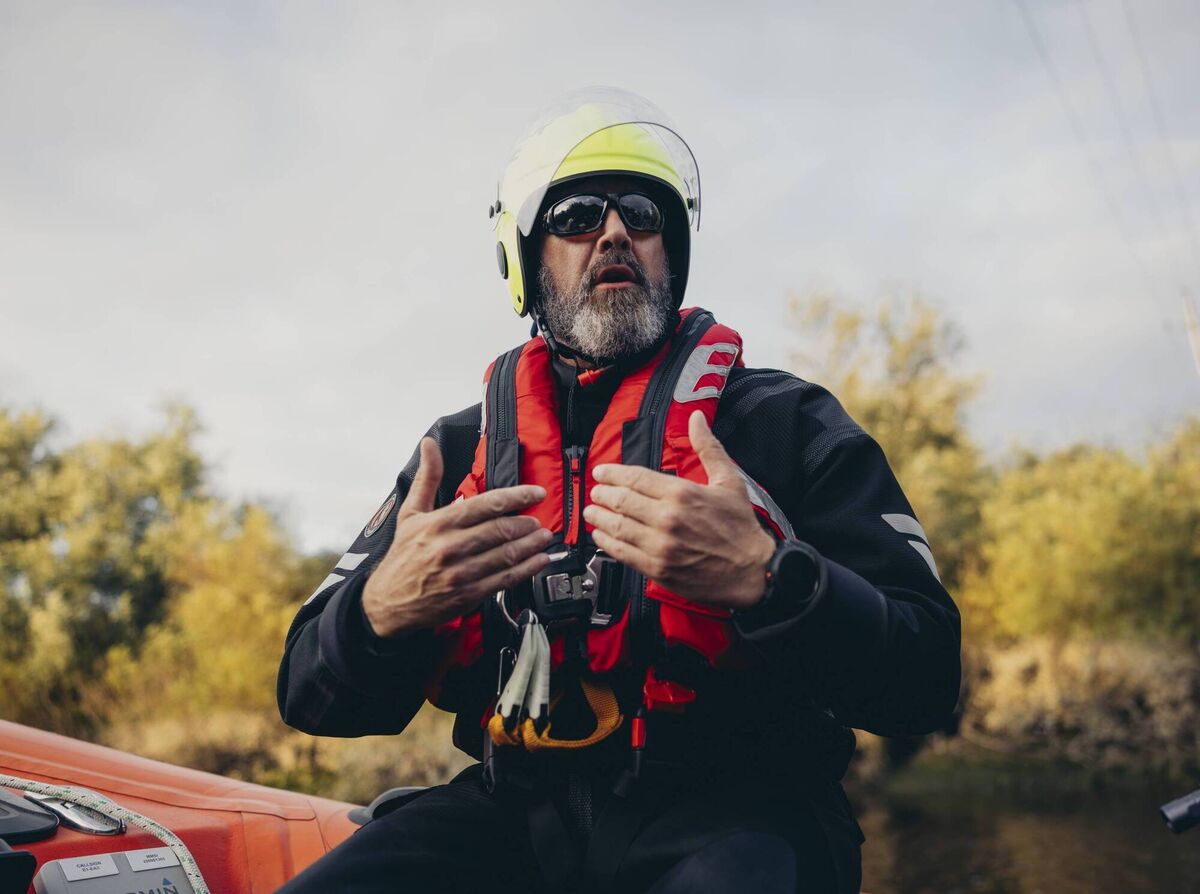
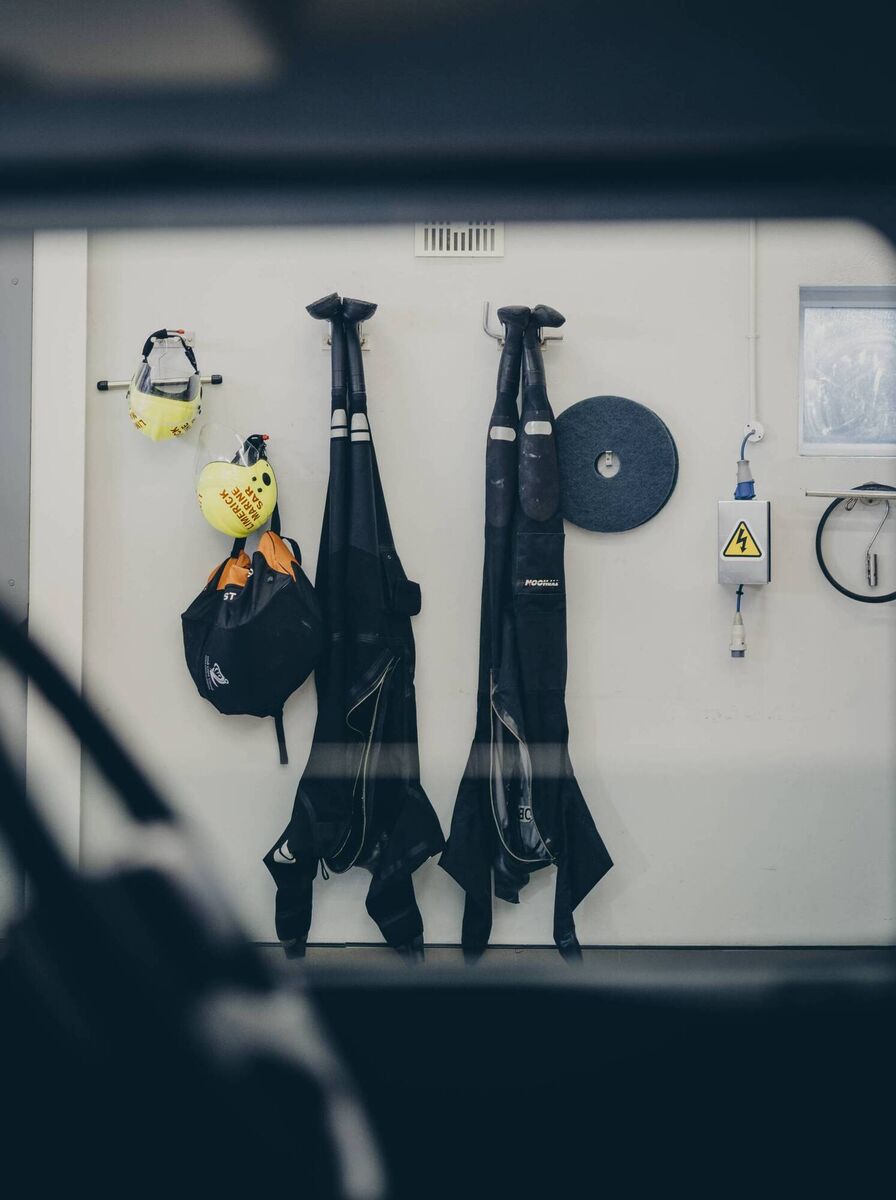
Weekly training ensures they are prepared for any situation, including the operation and maintenance of specialist equipment including three rescue boats and an underwater drone.
They also maintain personal watercraft - jet skis - that enable quick responses and allow volunteers to reach the shallow waters that larger rescue boats can’t access.
Outside of emergencies, the team also attend regattas, events and community activities in or around the river, reassuring the public that trained volunteers are always close by.
Limerick Marine Search and Rescue depends almost entirely on public donations to fund its life-saving work.
Alongside support from Limerick City and County Council, and proceeds from its city centre charity shop, the emergency responder has also benefited from the Tesco Community Fund, raised through the little blue tokens shoppers receive at the checkout.
Over the past 12 years, the Fund has raised a total of more than €10 million, helping to fund more than 27,000 community projects across Ireland.
This support has been a lifeline for Limerick Marine Search and Rescue, whose members give so much back to the community.
“Not alone does is the emergency response service entirely voluntary but it actually costs its volunteers, both financially and psychologically,” says its chairman, Diarmuid Moriarty, a garda officer who has volunteered with it for 30 years.
“Owing to the nature of what we do, which isn’t predictable, people can get called out from the dinner table, or late at night, or at family events. We’ve been in the water from New Year’s Eve to Christmas Day, and every day in between, peaking at around 80 call outs in a year.”
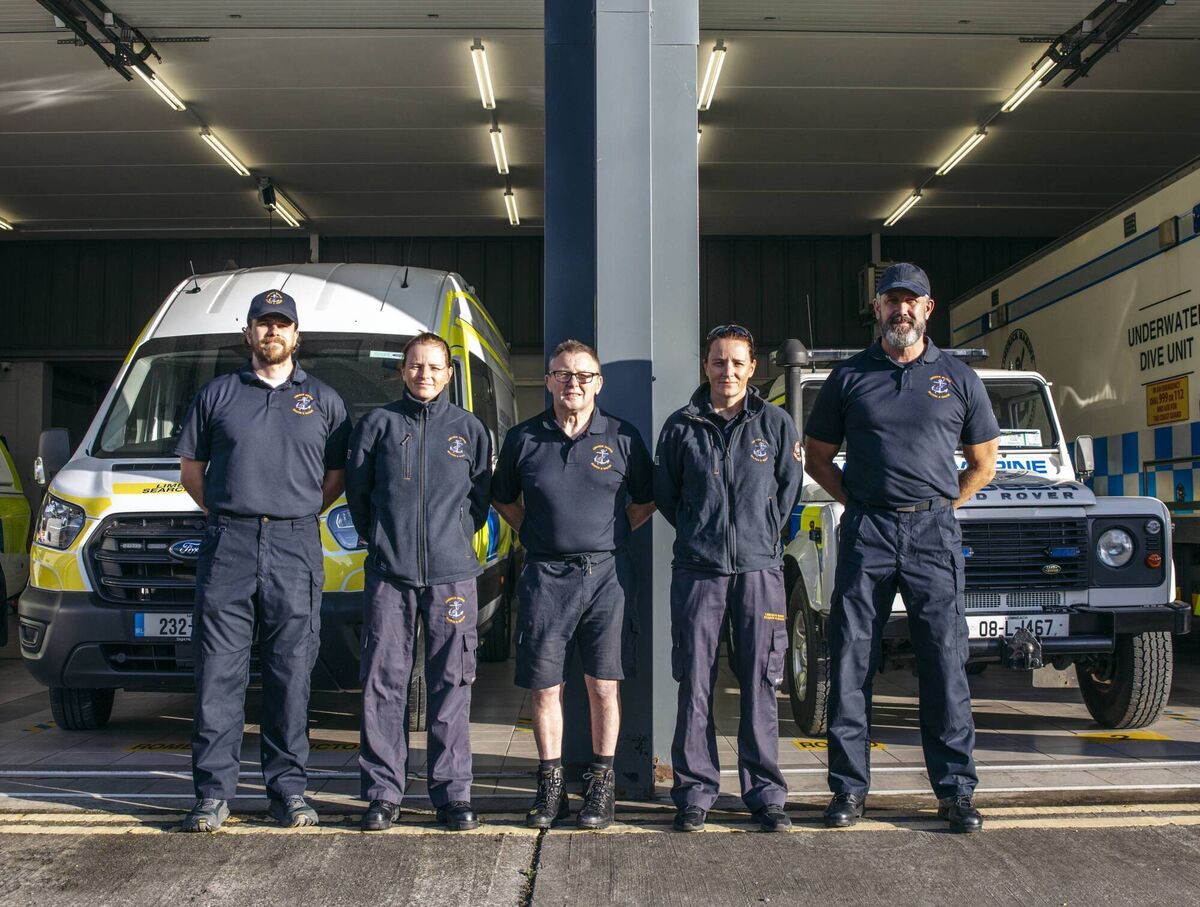
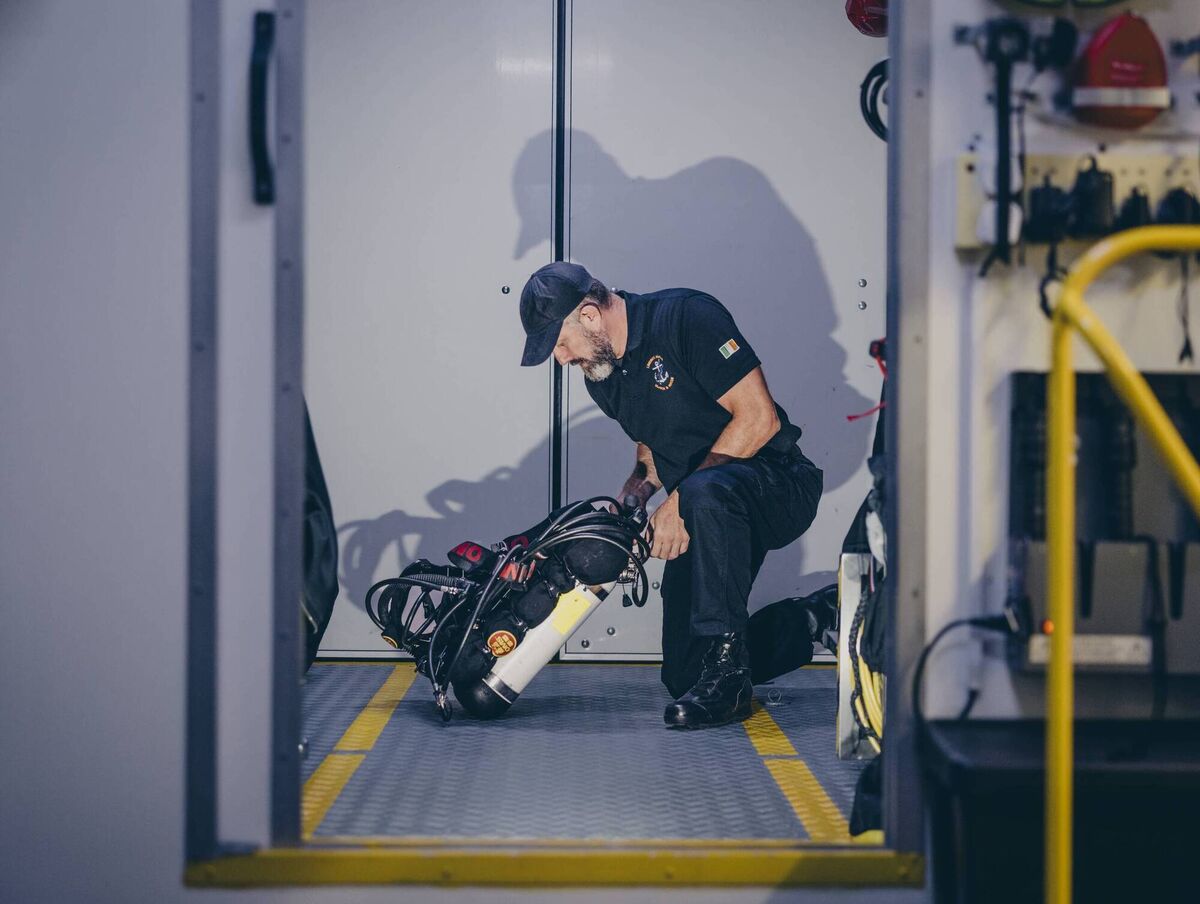
The service is currently recruiting new members.
“It’s a serious environment that we operate in and it’s not for everyone. Personally, I’ve always loved the water. I grew up in Killaloe and was around or on the water all my life,” he explains.
“Then, when I started working in Limerick, I had an unfortunate event where I witnessed a drowning. After that I said I need to get involved in something.” So, he joined Limerick Marine Search and Rescue.
Many of his fellow members have a similar story. “We have people from all walks of life but quite a few have been witness to such incidents or had family or close friends who had issues around water,” he says.
Not alone does the team have to cope with all kinds of weather and tidal conditions along the mighty Shannon, but it has the added challenges of activities at Ardnacrusha, the hydroelectric power station upriver.
“It could often be pushing 400 tonnes of water per second, which affects the flows, so we have to time our dives down to the minute in order to make the dive as comfortable and as safe as possible,” he explains.
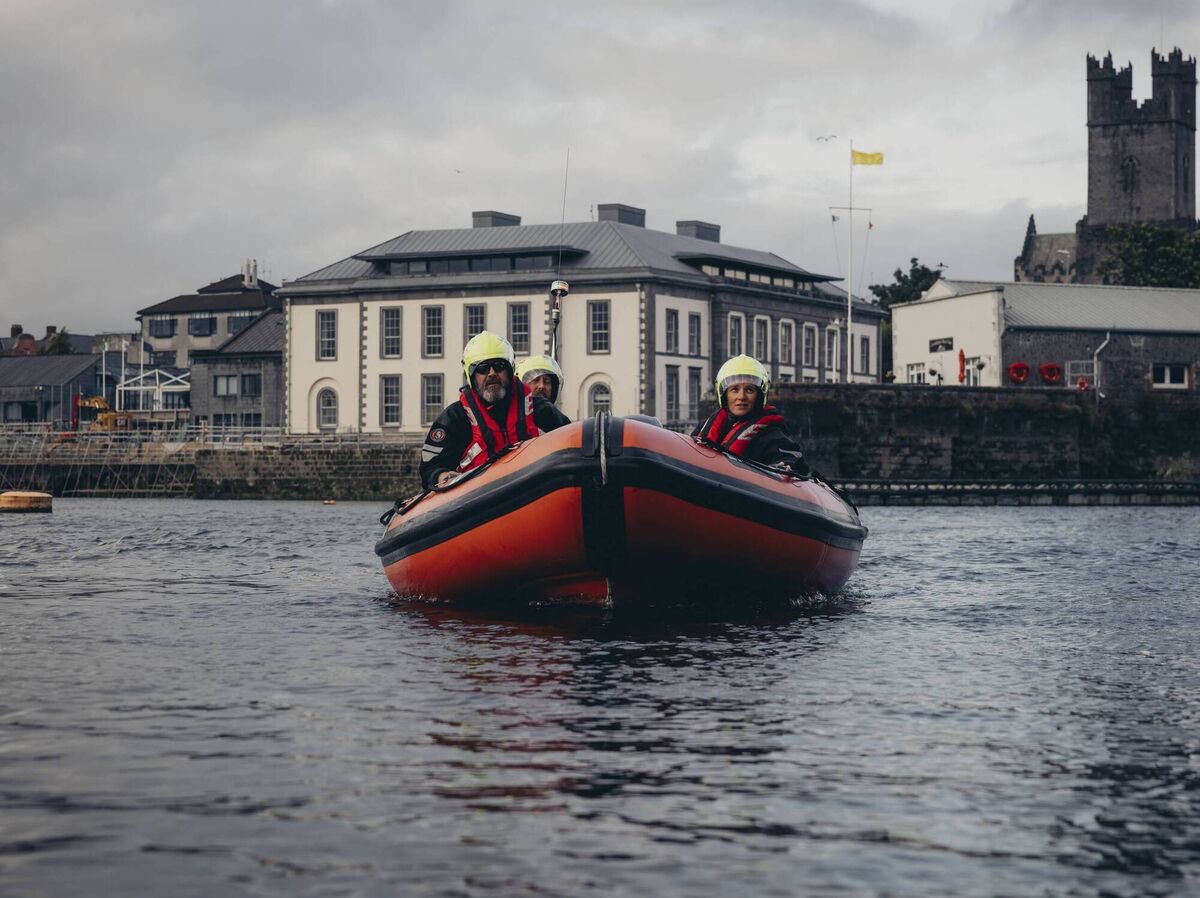
Once an alarm is raised on the river, the service is alerted by the Coast Guard. “Some volunteers may be at the Rescue Centre on Dock Road and if so we can be in the water in three minutes,” says Diarmuid.
It has a minimum launch requirement of three volunteers, but all members are always on call. “We try not to roster people. If you’re available, you show up that’s how it works,” he says.
It has a backup facility for swift water rescue, and diving equipment loaded in a truck ready to go.
The work is stressful. “But it’s what you train for and if you can get the steps right, one step at a time, it takes a lot of the pressure off it,” he explains.
That includes specialist training, such as how to release a person who might have gotten stuck in mud.
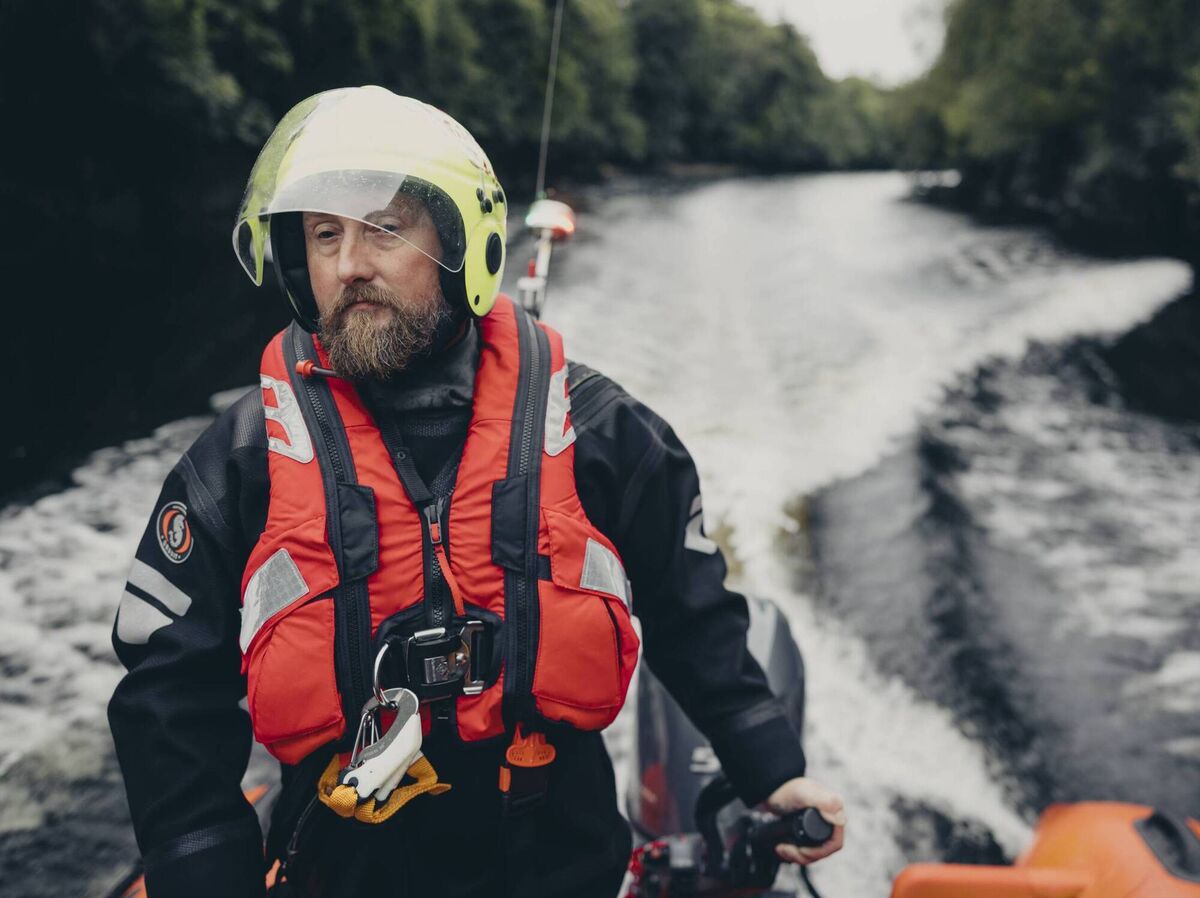
“We’ve had quite a few rescues thankfully. We’ve recovered lost people, stranded boats, and animals as well, and we evacuate people during floodings,” he adds.
Rescuing a person in distress or, indeed, recovering a body successfully are positive results for the team but not highlights, he explains: “What we class as a success is, unfortunately, when other people are at their lowest.” It takes a certain kind of person to do it.
“You have to have an element of resilience, be a bit proficient and competent in using your hand, and a bit of common sense goes a long way. Being physically able as well is a big help,” he says.
So too is being a team player. “It’s not like you have to be the best of buds but you’ll have each other’s back,” he says.
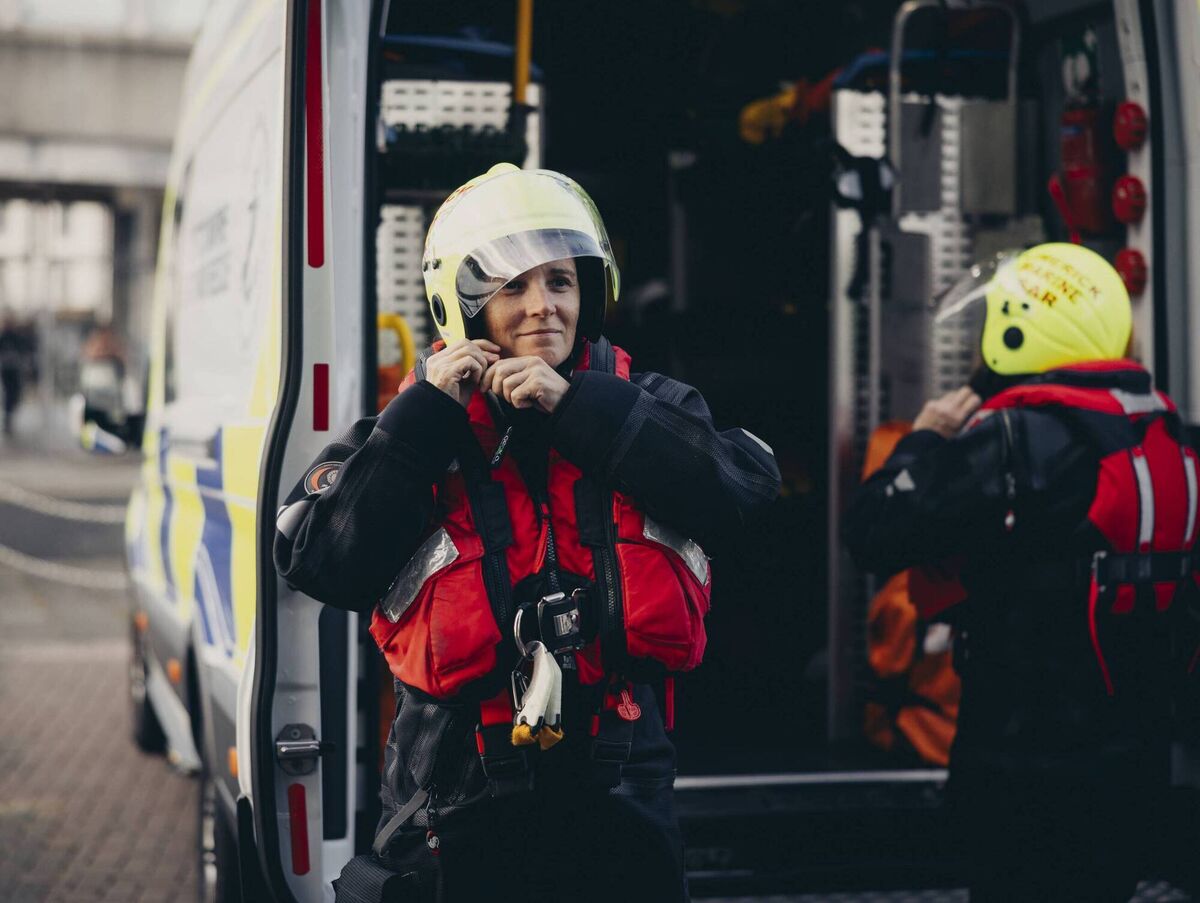
Knowing the local community has Limerick Marine Search and Rescue’s back and seeing that support turned into funding via Tesco’s Community Fund, helps too.
“Our costs are massive in terms of servicing equipment, purchasing new equipment and keeping things up to date. There’s also the cost of upskilling and training,” he explains.
While it receives some money from local authorities, which helps towards the cost of insurances, everything else is funded from donations.
The Tesco Community Fund helps raise not just money directly but awareness too, boosting visibility of the lifesaving work it does, which also helps with fundraising.
“You walk into any Tesco or Tesco Express shop and you’ll see the blue tokens and your choice of three organisations to support. We’ve been fortunate to receive financial support from it on more than one occasion,” says Diarmuid.
It is just one of many initiatives as part of the retailers ‘Every Little Helps’ campaign alongside covering the price of VAT on Tesco sunscreen and donating old delivery vans to local charities.
Most recently, the Tesco Community Fund helped Limerick Marine Search and Rescue volunteers to upskill in swift water rescue techniques.
“That’s very attuned to the area in which we operate, given that there are quite a number of tributaries flowing into the River Shannon, some of which aren’t very deep and so are difficult to access via boat or craft.” They’re the kind of waters that attract canoeists, who unfortunately, in some cases, run into difficulty. Rescuing them takes specialist skills.
“We can access them by putting someone in the water that knows what they’re doing, and by using the natural surroundings to assist ourselves with tethers via boulders and trees,” he explains.
“But without the likes of Tesco and the general public, we’d be at nothing. We wouldn’t be able to keep the doors open.” For more information on the Tesco Community Fund, or to nominate a cause close to your heart to receive funding, visit tescoireland.ie