Premier League: Don't dump VAR train the refs better

Manchester City's Erling Haaland reacts after his goal was disallowed for an offside decision, but was later given after a VAR review during the Premier League match at Old Trafford, Manchester. Picture: Peter Byrne/PA Wire
Barely a month into the new Premier League season and once again the talking point isn't the football. It's VAR.
Sunday's Manchester derby should have been remembered for Manchester City's deserved victory at Old Trafford. Instead, the aftermath was dominated by another officiating fiasco.
United have every right to feel aggrieved by City's winning goal. The initial flag went up for Erling Haaland being offside. VAR correctly established that he wasn't. So far, so good.
The real issue was Enzo Fernandez.
While Haaland was onside, Fernandez was standing in an obvious offside position and hurled himself at the ball inside the six-yard box before it reached the Norwegian striker. It was impossible to miss. Yet somehow, amid a painfully long VAR review, it went uneen.
Or perhaps more accurately, ignored.
The VAR team spent several minutes proving Haaland was onside, the issue highlighted by the assistant referee, while seemingly failing to deal with the far more obvious question: did Fernandez interfere with play?
To most people watching, the answer was obvious.
A player diving for a ball just yards from goal, directly in front of defenders and goalkeeper Senne Lammens, is clearly influencing the play. Whether he touched the ball is almost irrelevant. His attempt alone affected how those defending the chance reacted.
Yet the goal stood.
Sky Sports later reported that VAR's reasoning was that Fernandez "didn't play the ball". But interference with play isn't solely about touching it. That's the entire point.
Hours later, Pro Ref, formerly PGMOL, admitted an error had been made.
The explanation only made matters worse.
Officials correctly overturned the offside call against Haaland. They also correctly identified Fernandez as being offside. However, they apparently focused only on whether he touched the ball and not whether he interfered with play.
Incredibly, the process collapsed under its own complexity.
The correct solution would have been simple. If VAR could not conclusively determine Fernandez's impact, referee intervention via an on-field review should have followed. Instead, football was left with another apology and another controversy.
It’s far from the first VAR controversy this season either.
On Saturday, Arsenal found themselves on the wrong end of another contentious decision against Sunderland. A tussle between Ezri Konsa and Dan Ballard in the penalty area resulted in a penalty being awarded to the Black Cats for excessive holding.
Most viewers seemed baffled. Many felt the Arsenal defender should have received a free-kick out instead. At worse, the collision should have been seen as six of one and half a dozen of the other.
Mikel Arteta certainly wasn't convinced, and the champions are reportedly seeking an explanation from Pro Ref.
Then there is the increasingly baffling issue of penalty consistency.
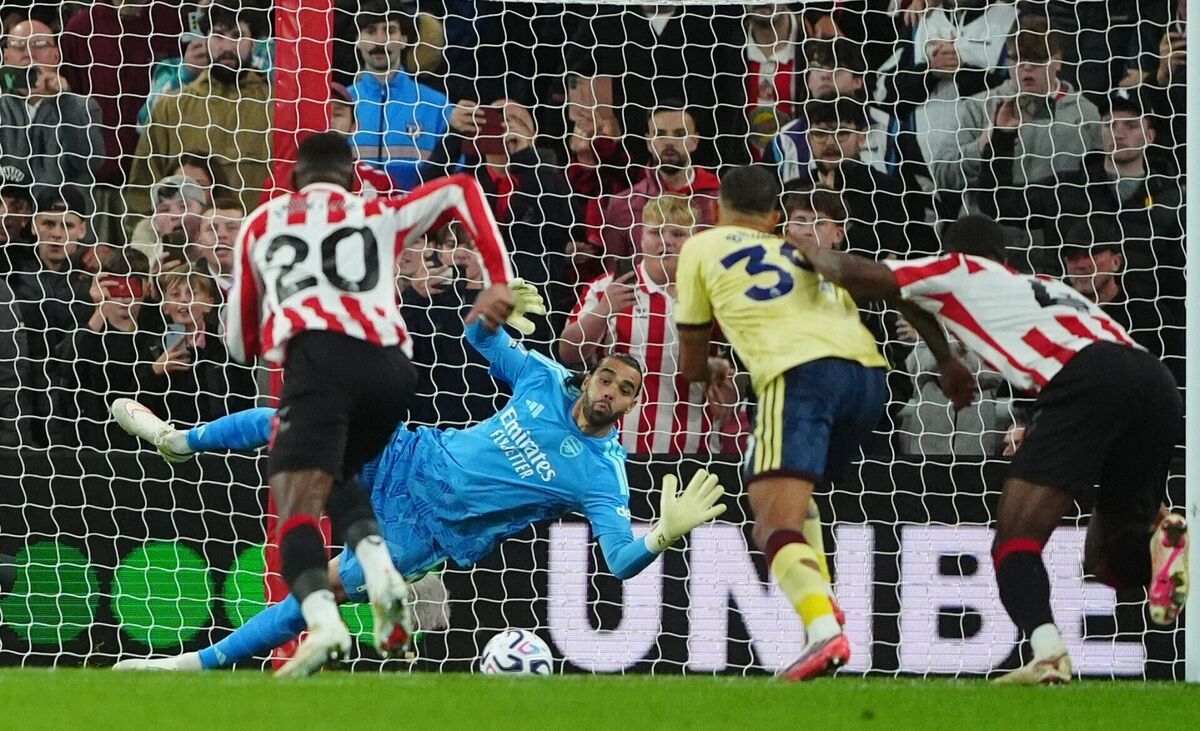
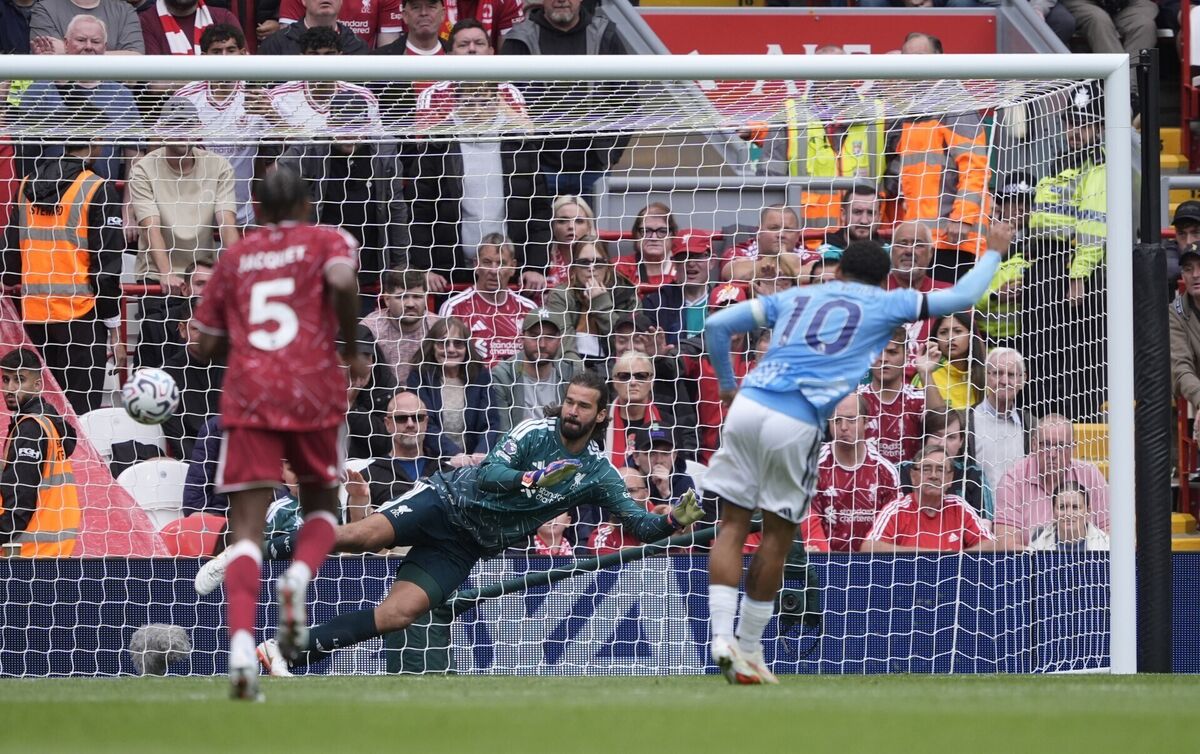
Nottingham Forest were awarded a penalty against Liverpool after goalkeeper Alisson collided with Nico Williams after the Forest player had already taken his shot. Liverpool argued possession had gone and any contact came afterwards. VAR disagreed, ruling the challenge reckless enough to warrant a penalty.
A week later, Liverpool's Cody Gakpo played the ball inside the Ipswich penalty area before being wiped out from behind by Abdul Fatawu. This time VAR waved play on because Gakpo was no longer in possession.
Two remarkably similar incidents. Two completely different outcomes.
That inconsistency is what frustrates supporters more than anything else. Fans can accept mistakes. What they struggle to accept is uncertainty over how the laws are being interpreted from one weekend to the next.
The Manchester derby VAR team have been stood down for this weekend's fixtures, but that offers little comfort to Manchester United. Lost points do not reappear because an apology arrives on Monday morning.
So what is the solution?
The World Cup provided a compelling answer.
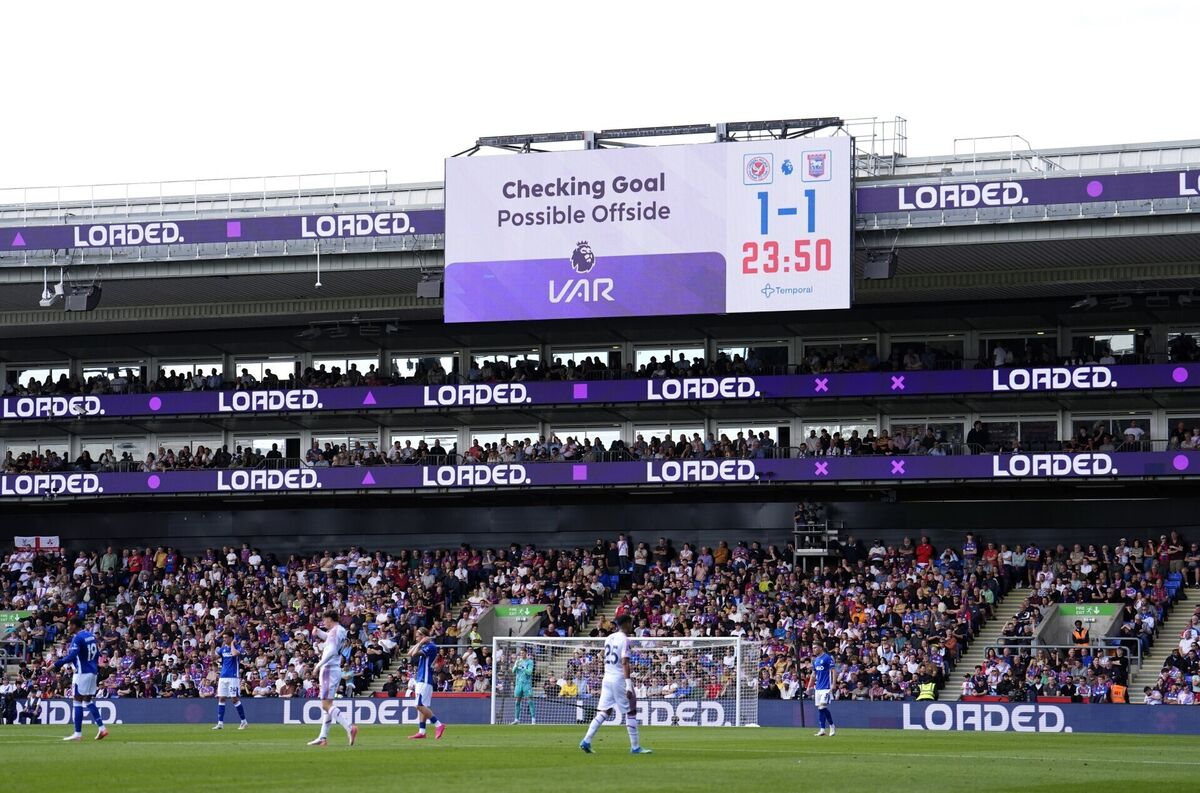
VAR during FIFA's flagship tournament was generally quick, efficient and, crucially, accurate. The technology worked. Decisions were explained. Delays were minimised. The contrast with the Premier League is stark.
As has been said countless times before, VAR itself is not the problem. The cameras work. The replays work. The technology works. The weak link remains the people using it.
Many supporters are now calling for VAR to be scrapped completely. Before English football hits the kill switch, perhaps the Premier League and Pro Ref should focus on producing officials capable of operating the system to the standards seen on the biggest stage.
Because right now, VAR isn't failing football. Football is failing VAR.
41909158[/readore]









 App?
App?


