Cork hurling club struggle to return to All-Ireland summit as Ballygunner chase greatness
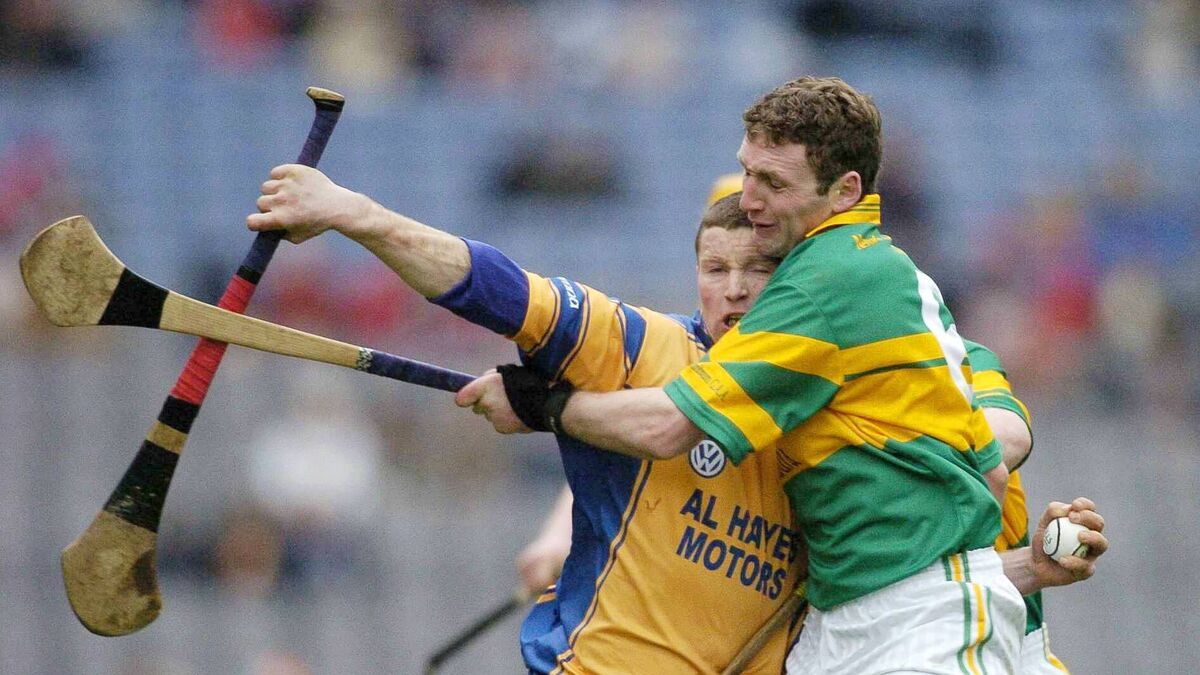
Damien Hayes, Portumna, in action against Pat Mulcahy, Newtownshandrum, in the 2006 AIB All-Ireland Club Senior Hurling Championship final at Croke Park. Picture: Pat Murphy/SPORTSFILE
At the time, it was merely routine for Blackrock, Glen Rovers and St Finbarr’s on the national stage, but the three clubs had set such a merciless standard between themselves that they were continually trying to outdo each other on that national stage.
When St Finbarr’s beat Rathnure to win a second All-Ireland title in 1978, they were only matching what the Rockies and the Glen had already achieved before them in the 1970s.
A year later though, in 1979, Blackrock trumped their city rivals when winning a third All-Ireland title in eight years.
The Rockies had an opportunity to secure a fourth national title a year later but they lost the All-Ireland semi-final to Castlegar in Athenry by six points.
That opened the door for the Barrs to try and cash in and match the Rockies' achievement of bagging a third All-Ireland in 1981, but they lost the All-Ireland final to Ballyhale Shamrocks.
Blackrock had only beaten Ballyhale by two points in the 1979 final, but the Barrs didn’t see the Kilkenny champions coming. And Ballyhale torpedoed them.
It was the beginning of a dynasty for the Shamrocks while it marked the end of the Cork clubs' dominance on the provincial and All-Ireland stage.
It also loosened the iron grip Munster clubs had on the All-Ireland club championship when winning eight of the first nine All-Ireland titles. Munster clubs did win three more All-Irelands in the 1980s; Kilruane MacDonaghs (1986), Borris-Ileigh (1987) and Midleton (1988).
Yet the days of a Munster club hoovering up more than one All-Ireland had long passed. And it’s taken over four decades for the province to again produce a club team with that potential.
When Ballygunner play Loughrea in Sunday’s All-Ireland club final, they will be looking to do something that no Munster club has managed in 48 years – win more than one All-Ireland.
Their sixth title won in November saw them jump ahead of the Rockies at the top of the roll of honour. Blackrock though, have three All-Irelands.
Ballygunner are good enough to secure that second title now. They are good enough to possibly bag even more than two All-Irelands but they need that second All-Ireland first to really cement this team’s legacy.
The Gunners have set such a standard in Waterford and Munster now that their most important legacy has already gone beyond the treasure chest of medals won or glory gained — it is about the attitude instilled in the group, the standards demanded.
The example set by this squad as an entity.
It’s about driving those merciless standards to the next level again. It is about more than just winning. And yet, it’s everything about winning another All-Ireland.
Ballygunner are a great team but their greatness demands more. They want more. They need more.
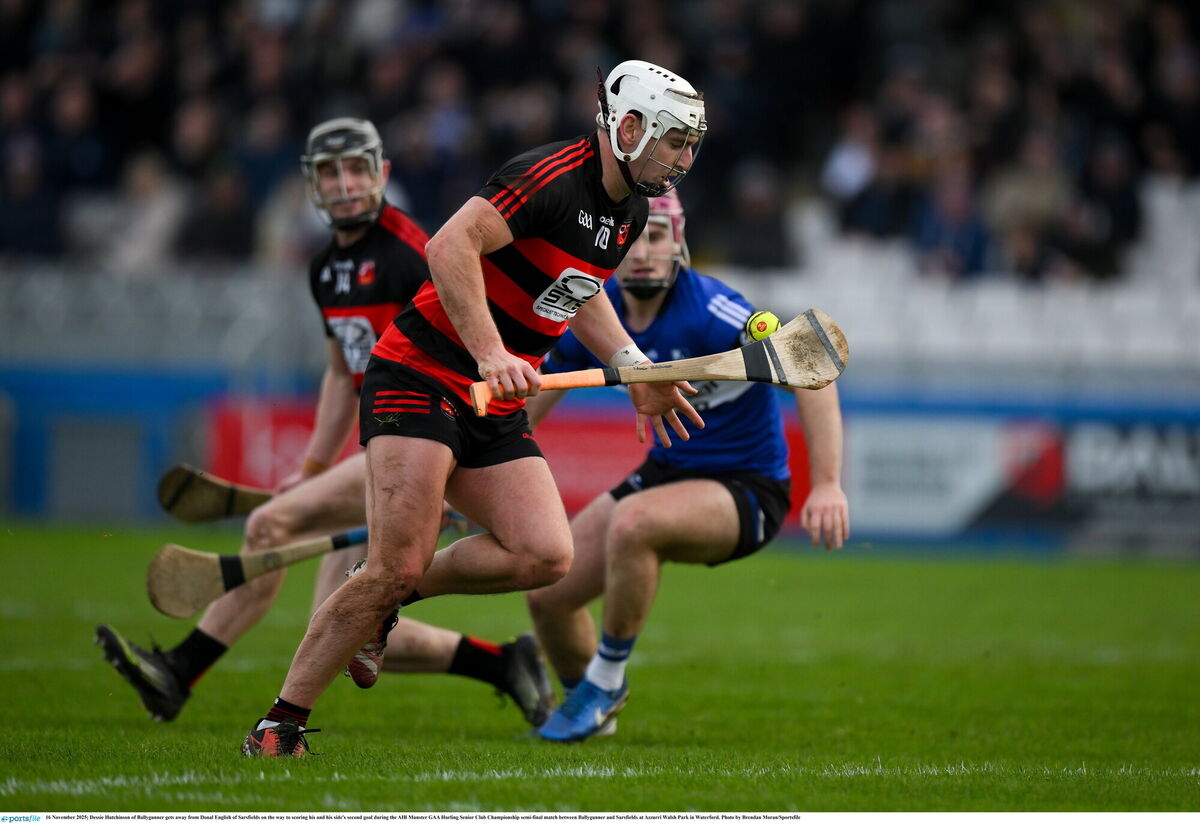
The comprehensive manner of their Munster final win against Éire Óg in November reaffirmed their iron grip on the province. Ballygunner have beaten 13 different teams en route to their last five Munster titles.
Outside of the 2024 final defeat to Sarsfields, they’ve only been pushed five times in 14 games.
Their superiority has increased with each passing season. Their average winning margin in the last five campaigns is 0-10. Four of their victories were by 0-15 or more.
They are an exceptional team but their circumstances has enabled Ballygunner to lock down the province. They have the Waterford championship in a headlock.
A local championship that concludes in early September annually presents Ballygunner with an opportunity to reenergise and recharge and tear into a provincial campaign refreshed when most other teams are beaten up and worn down.
Narrowly losing to outstanding teams (Ballyhale Shamrocks – twice – and St Thomas’) in three All-Ireland semi-finals between 2019-’23) only increased the torture given how close Ballygunner have been to dominating this era on the only stage that really matters to this group anymore.
They impressively got the job done against St Martin’s in last month’s All-Ireland semi-final but winning a second All-Ireland now would also firmly plant a Munster team back into the conversation as one of hurling’s greatest club teams.
The great modern anomaly of the club championship is that the most competitive province in the competition has rarely produced All-Ireland winners; Munster clubs have won just five All-Irelands in the last 38 years. In the same time-span, Ballyhale have won seven All-Ireland.
There is no easy game in Munster, but you need to be an exceptional team to win an All-Ireland. And has Munster produced enough exceptional teams in the last 38 years?
Newtownshandrum and Na Piarsaigh were brilliant sides that went close to winning a second All-Ireland in three years in 2006 and 2018 respectively but they lost the final in those years; Newtown were beaten by Portumna, while Na Piarsaigh went down to Cuala after a replay.
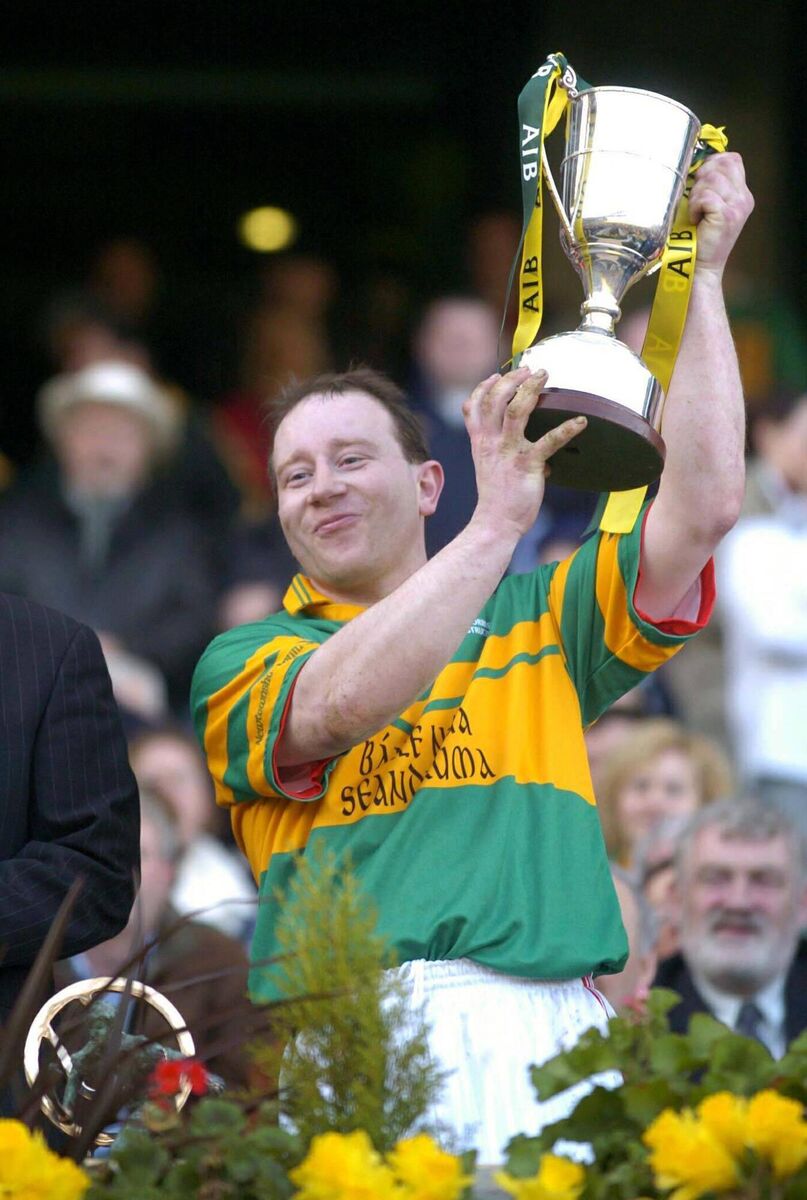
Those St Joseph’s, Newtown and Na Piarsaigh sides had the ideal amalgam of power, athleticism and class that a lot of Munster winners have lacked.
Ballygunner though, are the most complete team to come out of the province since that great Blackrock team.
And they have a chance now on Sunday to emphatically prove it by bagging that second All-Ireland.





 App?
App?


