Christy O'Connor breaks down Cork's loss in Thurles: Tipp worked that bit harder
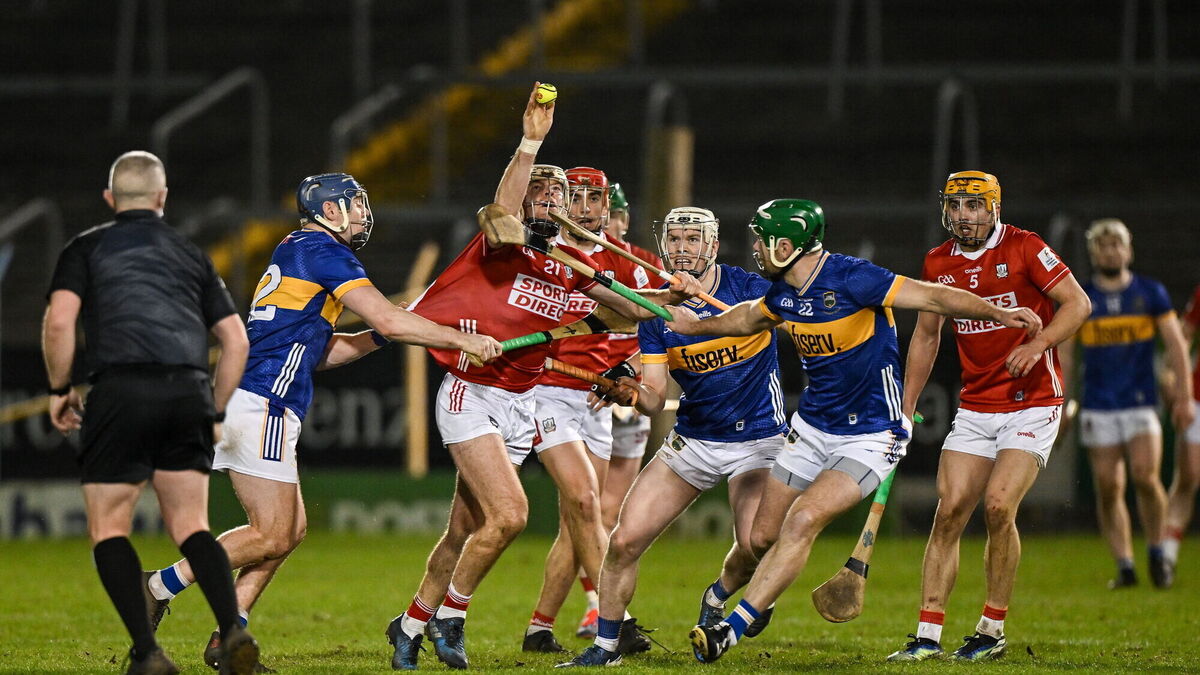
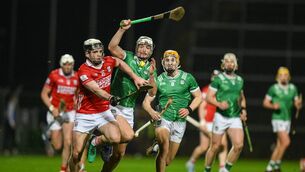
Luke Meade of Cork attempts to get a handpass away while under pressure from Alan Tynan. Picture: Brendan Moran/Sportsfile
In the match-programme for the Cork-Tipperary game on Saturday evening, the esteemed GAA historian Seamus O’Doherty had an archives piece titled ‘Marksmen’ where O’Doherty detailed an extensive list of all the players who had scored more than 10 points (goals and points combined) in the fixture over the last 75 years.
It included 15 entries from eight different players but there was one standout theme to the list; Patrick Horgan was on it seven times. In four of those matches, Horgan had scored more than 13 points, with his highest total coming in 2017 when Horgan bagged 0-15.
The only player who came close to Horgan was Jason Forde, who had two entries. Some of the greatest players in the history of the game – Christy Ring, Jimmy Doyle, Eoin Kelly and Seamus Callanan – managed to get over 0-10 just once in that storied fixture. Free-taking is an obvious advantage and, in Ring and Doyle’s defence, some of those games in the past were 60-minute matches.
O’Doherty’s forensic analysis was another glittering testimony to Horgan’s brilliant career, which he showed again on Saturday.
He looked sharp and strong, full energy and intent. It was another illustration of Horgan’s value to this team, but it’s still frustrating for Cork that they needed to rely on Horgan to come off the bench in another league game against Tipperary to try and ignite a spark in their play.
Cork were missing a host of big names but they still had eight starters from last year’s All-Ireland final, while four more who featured in that game came off the bench.
“If I was Pat Ryan I’d be expecting a little bit more from some of those players that are in their second or third year on the panel or team,” said Liam Sheedy in his post-match analysis on RTÉ. “I thought they might have wanted to push on a little bit more. Cork do have a fine panel but it’s about getting the balance right.”
Finding that balance is everything because, while Cork would really benefit from winning a league title, the most important aspect of this league is to see if they can find a handful of new players to make them even better. Can some of the new blood infuse the team with the energy and consistency that some of the other more experienced panellists too often haven’t?
Saturday was a solid first step on the journey for some of those players. As he always has been, Micheál Mullins is an abrasive, pacy and athletic player with an edge.
Diarmuid Healy marries size and height with athleticism and skill, scoring one point, assisting another for Horgan, being involved in another score, and almost setting up a goal.
The biggest disappointment of the evening for Cork was conceding 1-12 off turnovers, but the breakdown of how that possession was lost exacerbated that frustration.
Cork turned over far too much ball from long deliveries into their attack that were cut out by the Tipp defence. When Tipp got a grip on Cork’s throat in the middle of the second half, four Tipp points originated from Cork players in possession being turned over inside their own half.
As a comparison, Cork sourced 0-10 off turnovers, but most of those scores stemmed from long Tipp deliveries into the middle third as opposed to Cork hustling Tipp players out of their stride in possession.
The possession numbers of the Cork attack collapsed in the second half because of Tipp’s greater work-rate around the middle, especially across the Tipperary half-forward line.
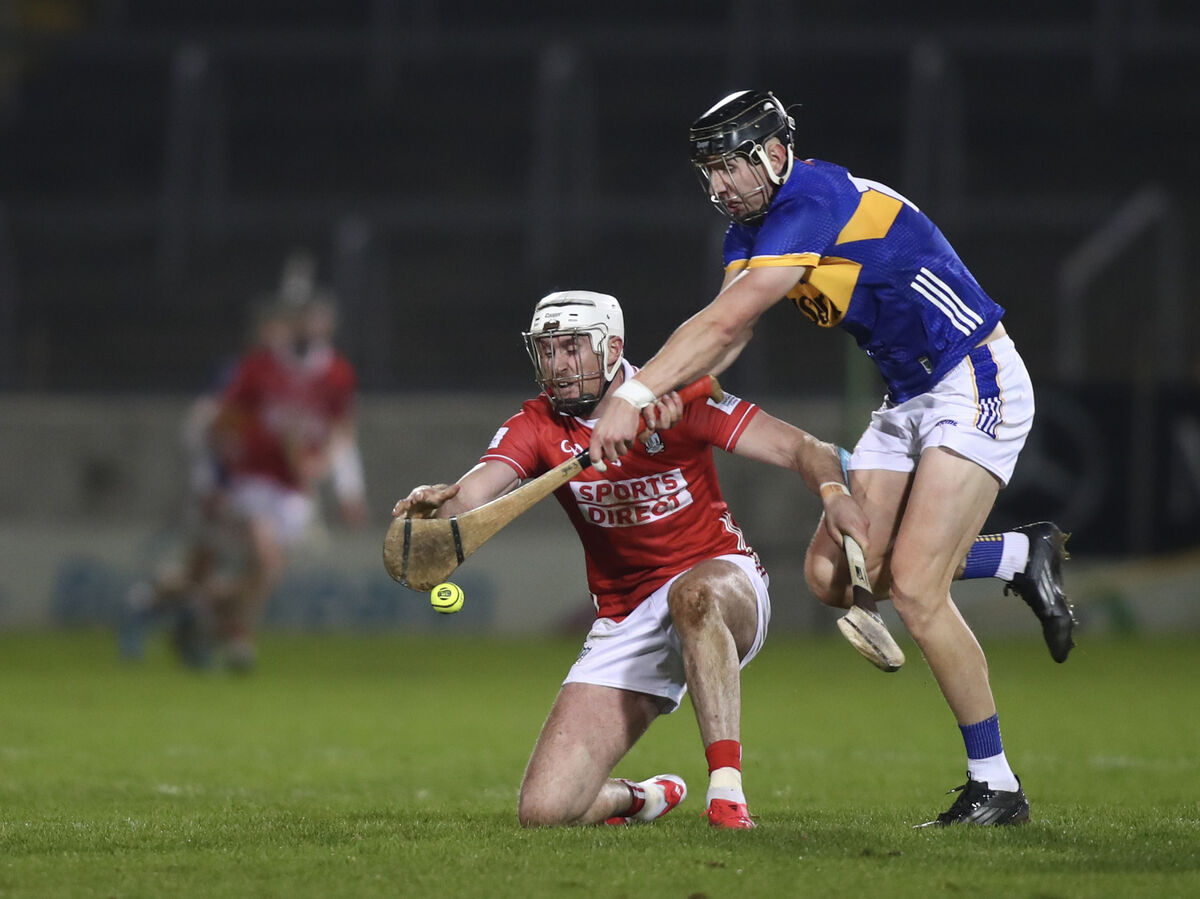
Pat Ryan and his management will take all those learnings but they’ll also look at the positives, one of the biggest of which was how Cork created six goal chances.
Jack O’Connor hit the side netting early in the second half while, from almost the same angle, Hayes hit the post in the 51st minute when a goal would have arrested Tipp’s surging momentum. Hayes could have had another goal in additional time.
That lust for goals was impressive from Cork because Tipperary worked harder, tracked runners more aggressively and were structurally better set up than they were last May when Cork cut them to shreds. And still, if Cork were more clinical, they could have had another bag of goals on Saturday night.
There were other positives. Ethan Twomey is never going to score enough to nail down a place in the forwards but he again displayed why he is the type of player that Ryan loves, especially with his ability to get on the ball and engineer opportunities for those around him. Twomey was centrally involved in six Cork scores.
By the end of the match, Darragh Fitzgibbon had earned inclusion on O’Doherty’s list when scoring 0-11. Fitzgibbon has taken on more leadership and responsibility in the last couple of years. That is to be expected of a player with his quality and experience, but Saturday was another reminder of how more Cork players need to keep doing more.




 App?
App?


