Hurling in the Middle East: Culture shocks on and off the field
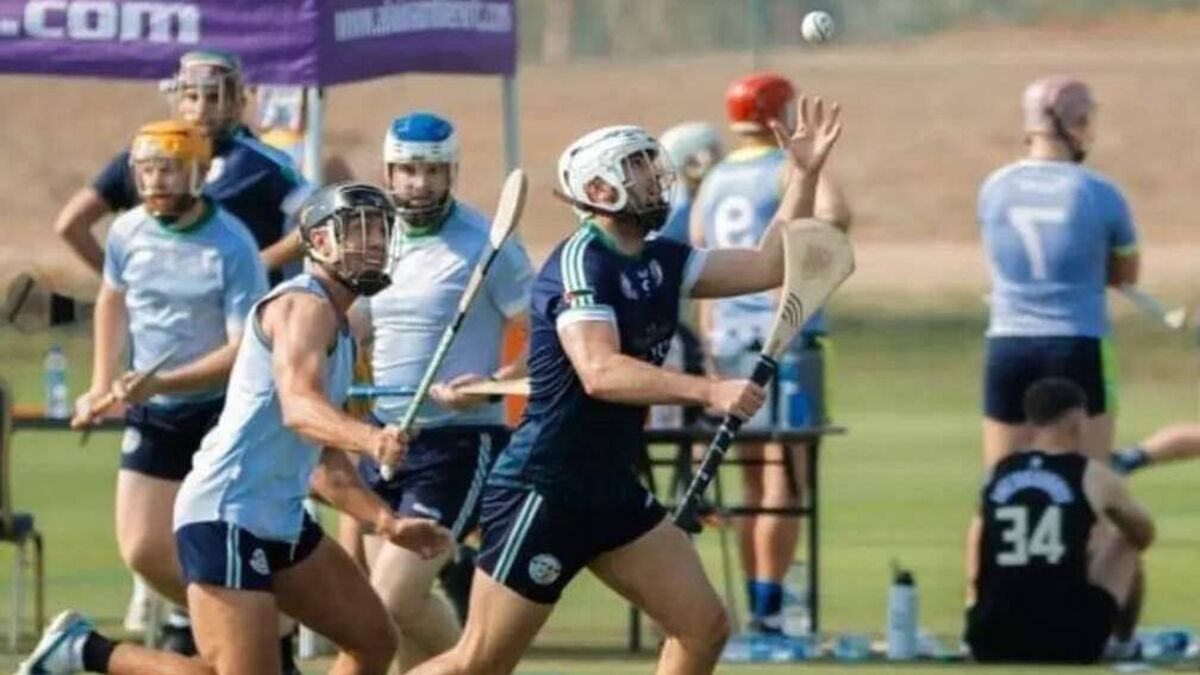
Ryan Denny gets away from his man during a 2023 tournament in Sharjah, UAE.
GAA games overseas in the UK and US aren’t too surprising given the size of the Irish diaspora, but how about hurling in the deserts of the Middle East?
For Dungourney hurler Ryan Denny, that’s the reality – firing over points for Abu Dhabi Na Fianna as he works as a teacher in the United Arab Emirates.
But it’s not quite what you would expect. The standard is exceptionally high.
“People who have been out here before will know the high standard of what is out here,” he begins. “But a lot of people who probably haven’t looked into travelling to the Middle East would be unaware how much GAA is actually out here.
“A lot of inter-county players have been out here the last few years, so it’s great to keep it ticking away.
“I knew there was good quality hurling,” Denny says. “But I probably underestimated the standard.
“It’s good, because when you come back for any league or championship games in the summer you want to be in the best condition you can. It keeps you on your toes.”
The standard isn’t all that keeps Denny from getting too comfortable. You might hear the phrase ‘it’s a completely different game’ when it comes to hurling abroad – but in the UAE, the rules are different.
“It’s nine a-side and you must cross the half-way line before you can shoot, and if you cross the half-way line from your own side you have to pass the ball,” he adds. “You can’t just run across the half-way line and shoot.
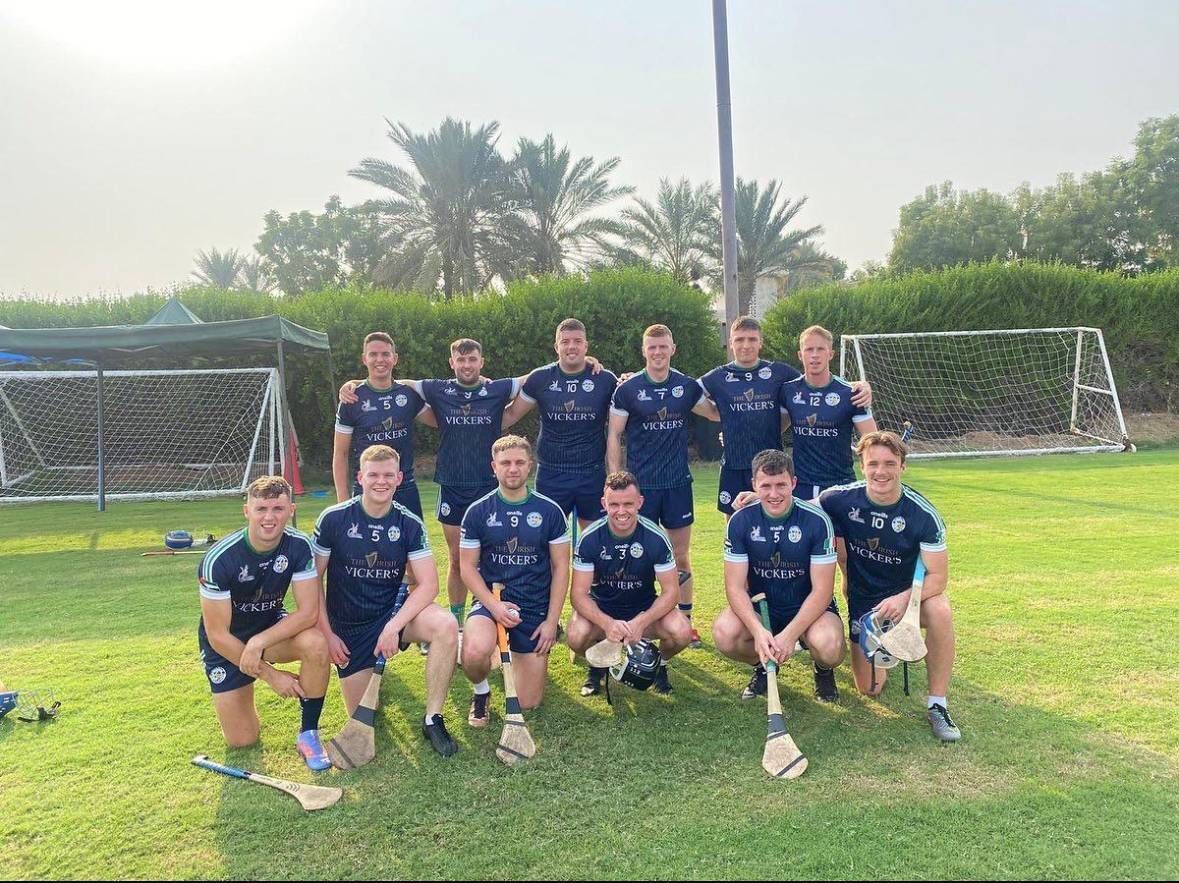
“There is a big focus on running off the shoulder, but it’s hard to put into perspective with home because it’s probably two completely different games.”
While the game itself differs – so too does the structure, with league competitions arriving in a blitz format in the early months of the year.
Teams earn points depending on where they place in the league tournaments, with the winner crowned at the end of the league phase, before the championship commences in April.
“The hardest thing is probably the number of games you play,” Denny admits. “You’ll play seven minutes a half [and are] guaranteed four group games. If you win the group, you go straight to a final, while second and third go into a semi-final.
“We had a scenario where we were allowed 14 on each team, and we got to the semi-final, so it was our fifth game of the tournament. We had three or four injuries, because it’s very demanding when you get to a semi-final.
“That game actually went to extra time, and we were down to one sub because of the injuries.
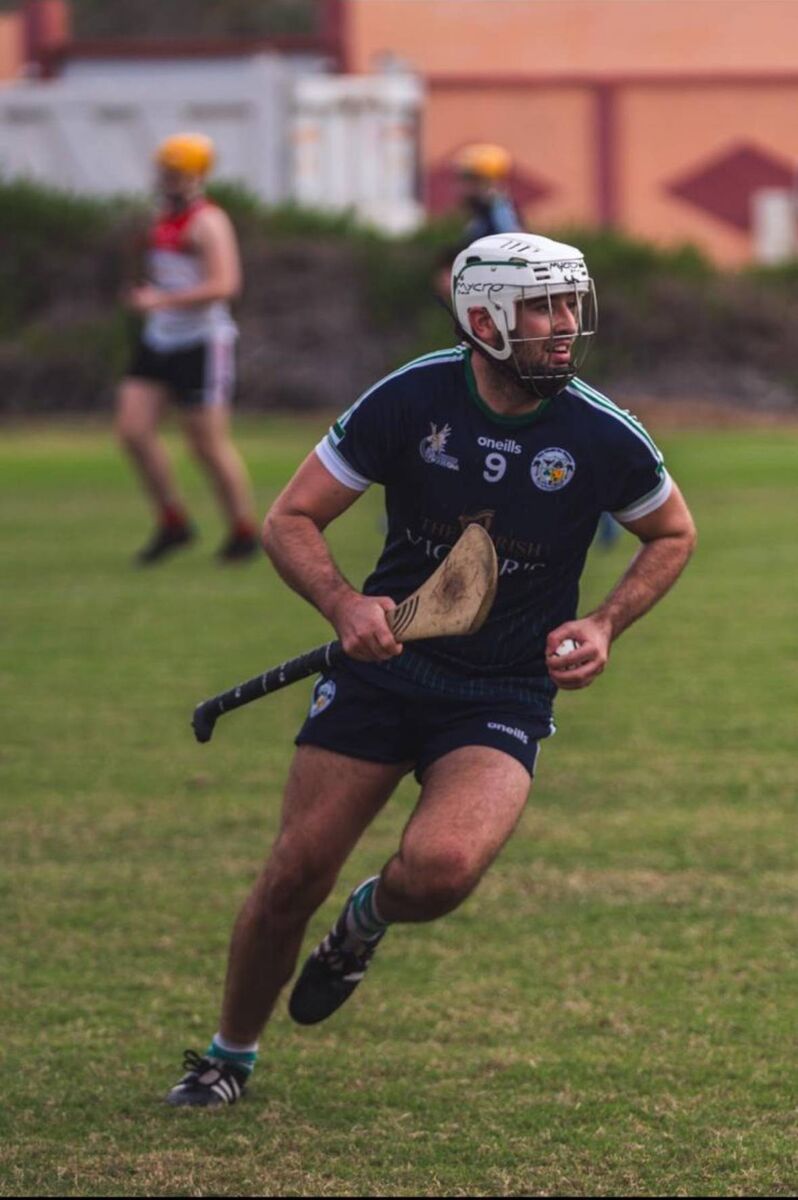
“Because of the heat out here, when you get to the fifth or sixth game it’s so physically demanding. Especially because it’s a long day.”
The Abu Dhabi heat can certainly be testing – but no matter how far from home you go, wet weather always finds a way to interrupt the schedule.
Last season, their championship was postponed due to torrential flooding.
“We had a massive storm last year and it actually got called off, would you believe that!” he laughs. “They replayed it a few weeks later but then it went into May, and then it’s very hot. April would be tough enough now.
While the weather can be a hindrance, the facilities available to Abu Dhabi Na Fianna more than make up for it.
“Where we train now is [Zayed] Sports City. You have the Man City academy there as well.
“The pitches, when they’re top notch, it’s like playing in Croke Park every week.”
Dubai Celts and Jumeirah Gaels might not your typical GAA club names, but they showcase the blend between east and west. The culture shocks aren’t so shocking.
“It's different, but it’s a lot more westernised than I thought it would be,” Denny explains. “Obviously being a teacher over here, there is a lot more you have to understand in terms of the local culture, how to be professional in school and things like that.
“But in terms of social life, you just have to respect their culture. Obviously, you’ve a lot of Irish pubs, you’ve the GAA out here – you’ve a lot of soccer and golf.
“Yes, from a teaching perspective there are a lot of culture shocks, but in terms of living out here – it’s a lot more westernised than people at home would realise.”










 App?
App?


