John Considine: We need more GAA facilities but not necessarily bigger ones
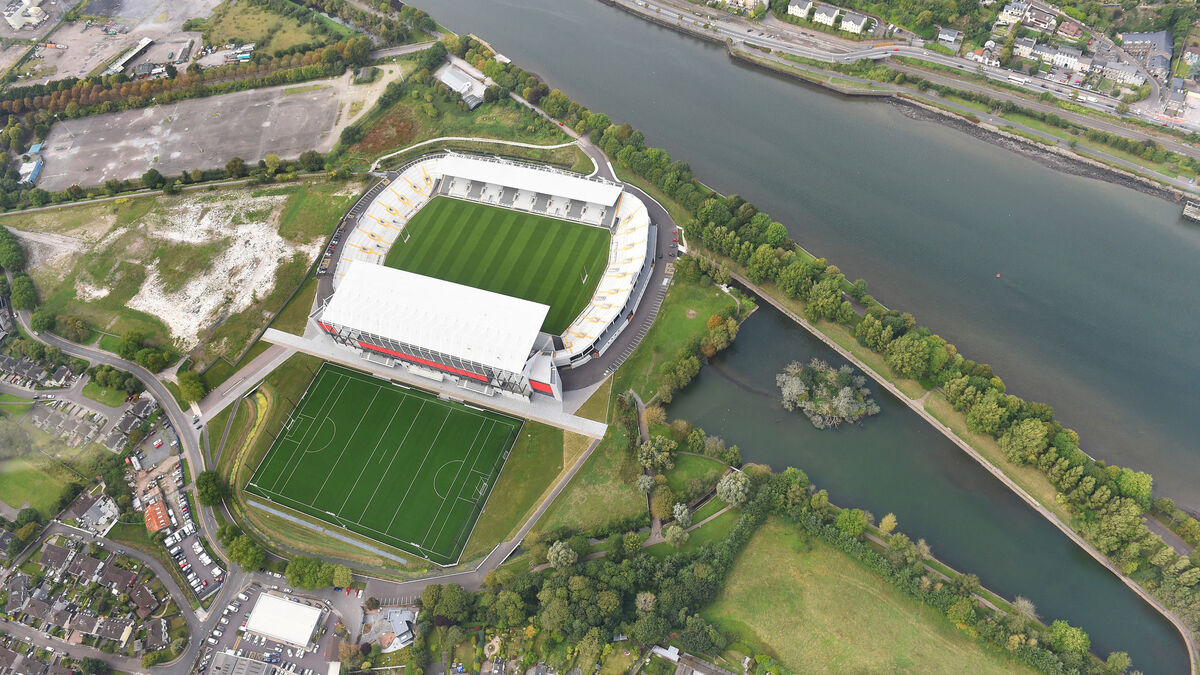
SuperValuPáirc Uí Chaoimh has been revamped at huge expense but is rarely full. Picture: Larry Cummins
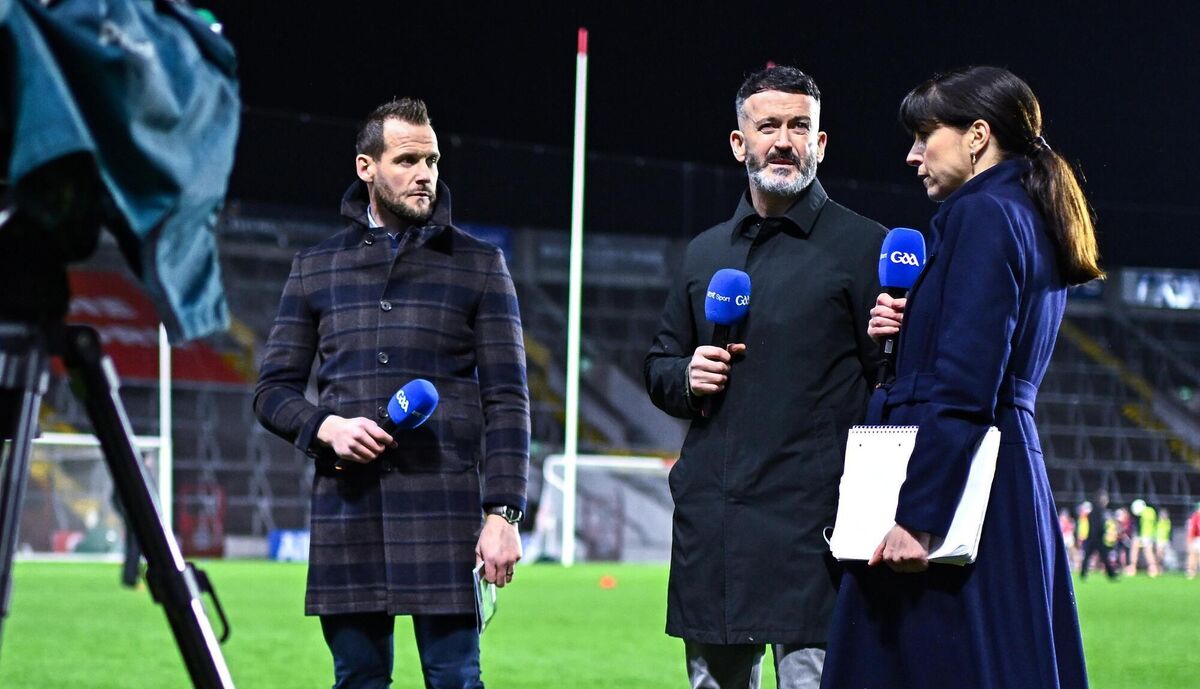
SPEAKING before last Saturday night’s Allianz Hurling League Division 1 Group A game between Cork and Kilkenny at SuperValu Páirc Uí Chaoimh, former Cork player Dónal Óg Cusack was vocal on a number of topics.
The clip generated a lot of discourse but, as is often the way with such things, it’s the soundbites – the use of the word “whoppers” or comparing the GAA to the Conservative Party in Britian – that grab the most attention.
Something that might have been missed in the discussion relating to the stadium in which Cusack, fellow pundit Jackie Tyrrell and presenter Joanne Cantwell were standing was a salient point about how often such grounds are full.
“Has anyone ever done an occupancy analysis on it?” Cusack asked. “We have way too many stadiums, we're investing loads of money in stadiums and there's loads of proposals.
“I heard recently that there are 22 proposals that people are talking about for new stadiums.”
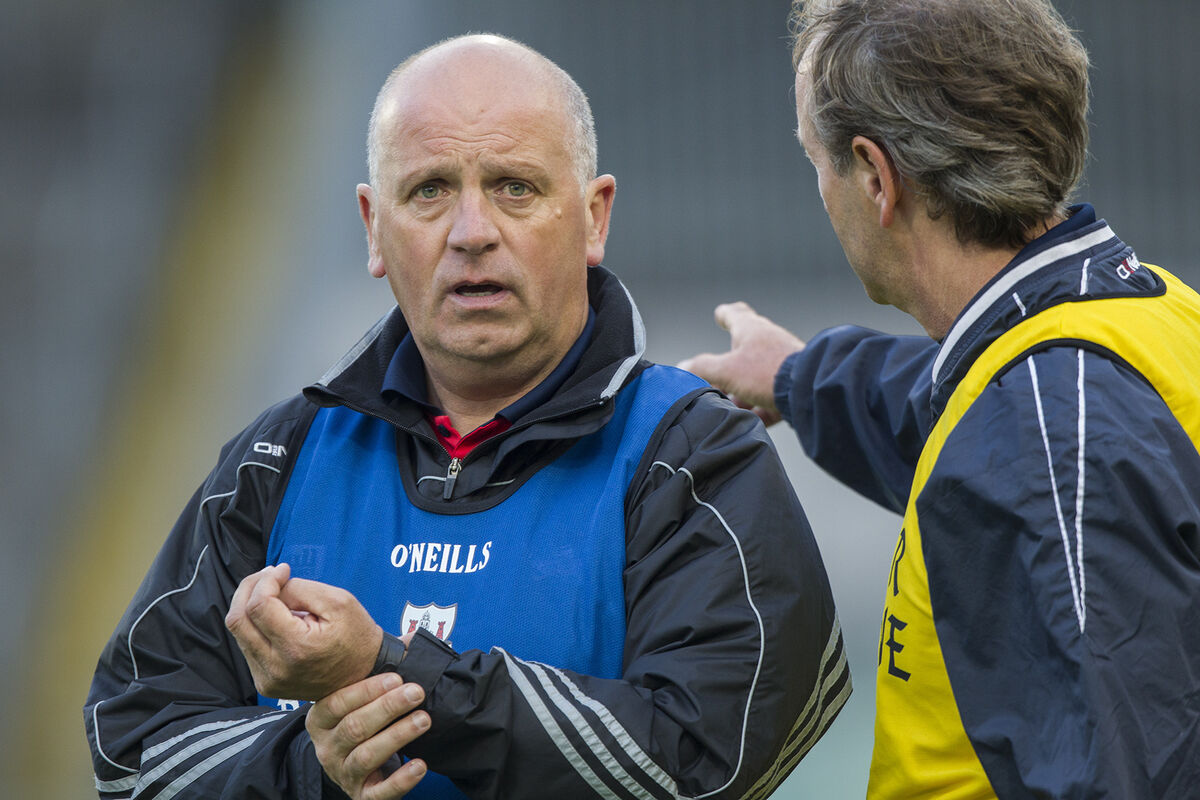
To answer the initial question, somebody has done an occupancy analysis – somebody who, like Cusack, is a Corkman who won an All-Ireland and an All-Star and later managed the Cork minor team.
Away from hurling, John Considine is a lecturer in economics in UCC and, back in 2002, he and colleague Séamus Coffey undertook a study. The outcomes of that were similar to those in a 2016 paper by Considine, which concluded: “Larger stadium capacity is a very poor investment for GAA units. The quantity and quality of facilities for players of all levels would provide better value.”
In studying attendances for inter-county championship games from 2005-14, Considine showed that there were fewer than 50 instances of games with more than 20,000 and just over 50 in the 20,000-25,000 bracket. By far the most common occurrence was matches with fewer than 5,000 people present – approximately 275 such occasions.
And yet, there are 25 GAA grounds that can hold more than 15,000 people. Given that the population of Ireland is “similar to that of a mid-sized English city”, as Considine puts it, there is not, on the face of it, the need to have as many large stadiums as currently is the case.
Traditionally, the view prevailed that putting money into bricks and mortar was good investment advice and it’s a sentiment that guided GAA business activity when the lack of wages left a surplus.
“I remember going with my father to Flower Lodge in 1973 for the first FAI Cup final played outside of Dublin,” Considine says.
“Cork Hibs against Shelbourne, it was a replay and I can remember, I was up on his shoulders when Carl Humphries got the goal to win it for Hibs.
“A few years later, Hibs ran into problems because they paid players too much, the club went out of business and the ground ended up being sold to Cork County Board and becoming Páirc Uí Rinn. Because the GAA weren’t paying players, they could afford to build.”
Allied to that are what we might term ‘legacy issues’ – the GAA didn’t want other sports using its property and so municipal facilities shared between codes were not a runner. The end result is, for example, having TUS Gaelic Grounds a good Nickie Quaid puckout away from Thomond Park.
In an ideal world, there would be a scaling effort of small, medium and large, something like Leinster are able to avail of in rugby with the access to Energia Stadium (Donnybrook), the RDS and Aviva Stadium.
“There are more GAA championship games than ever but fewer people going to them,” Considine says. “You need green areas, because you have games.
“I understand totally why it’s done, because everybody wants to have a place they can call their own – the attitude of, ‘The people here deserve to see their heroes at home,’ – and it’s almost impossible to stop.
“In fairness to the GAA’s director general Tom Ryan, he said in his report last week that these things are unsustainable and we may need to think about joining forces with other organisations in the future to build facilities.
“Before the round-robin in the hurling, the most inter-county games you might have in a year in Páirc Uí Chaoimh would be three or four and it wouldn’t be full for most of these, especially if it was football. You’re building these things, for what?
“It’s the same in horseracing – you’ve all these courses around the country and they might only be used for two or three big events in the year. Why not just build a stadium in Thurles that’s used for all games in the Munster hurling championship?”
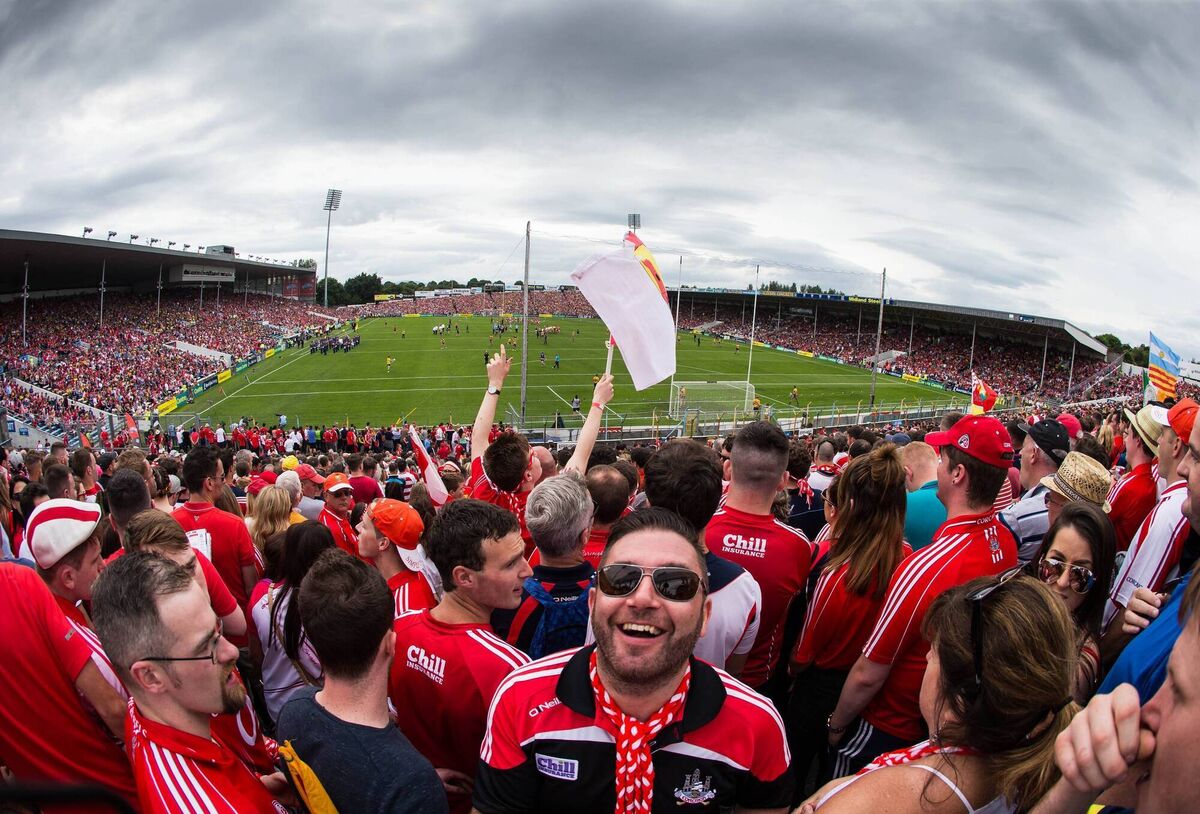
The answer to that lies in emotions as much as logic, one senses. Competing counties would not want to hand Tipperary home advantage in perpetuity and, at the end of the day, everybody likes to show off their own place.
Such a domestic comparison can be extended, Considine points out.
“Wouldn’t we all like to be able to build a new house every 20 or 30 years?” he says.
“Seán Moran [of ] rang me a few years ago for a piece and there was a clever comparison drawn between the empty-stadium situation and the idea of the ‘good room’ in houses in the old days,” he says.
“You wouldn’t leave the family in, it would be kept for visitors. Other than that, it would be unused while children might be sleeping four to a bed!
“It’s like that when you’ve a big stadium empty for most of the year.”






 App?
App?


