John Horgan on hurling: Poor start led to a bad end for Cork sides at Croke Park
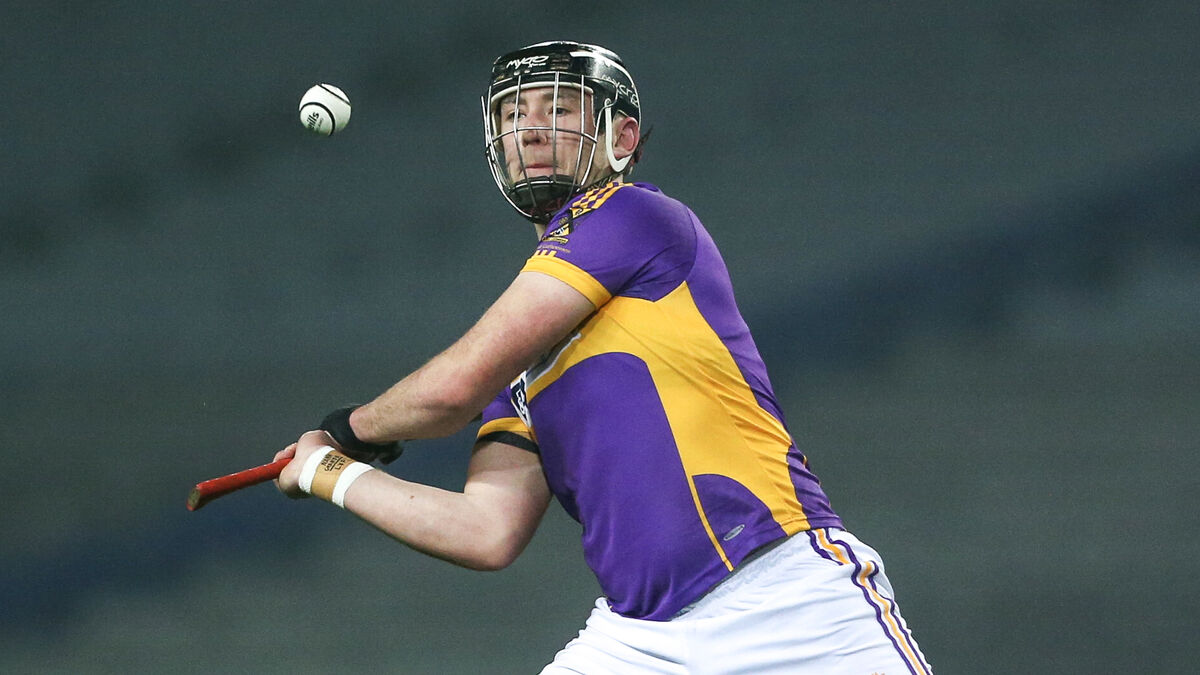
St Catherine’s Rory Galvin fires a point at Croke Park. Picture: INPHO/Ken Sutton
THE importance of a good start to a game was underlined last weekend in the All-Ireland junior and intermediate club hurling finals in Croke Park.
St Catherine’s and Castlelyons had done remarkably well to get into the big house on Jones’ Road, but against very strong Kilkenny opponents in both games, they came up short.
For any club team playing an All-Ireland final at GAA headquarters, it is a massive occasion, all the more so if it’s the first time.
You need most things to go right for you and sometimes a good start can, as they say, be half the battle. That’s not always the case and some teams have been able to reinvent themselves after a poor opening quarter or so.
Unfortunately for both Cork clubs, that didn’t happen and it was a similar tale in both, Tullogher-Rosbercon, in the junior decider, and Thomastown, in the intermediate final, had the attacking prowess that set them on their way almost from the outset.
The Cork teams were left chasing the game from very early on and while there were only a couple of points separating the teams in the intermediate final at the interval, Thomastown, the Kilkenny champions, had shown enough in the opening half to suggest that they would be on the winner’s podium.
It was much clearer in the junior final, St Catherine’s trailing by a substantial margin at the same juncture in their game, so much so that it became a damage-limitation exercise thereafter.
Catherine’s lost by 11 points, while the margin with Castlelyons was significantly higher.
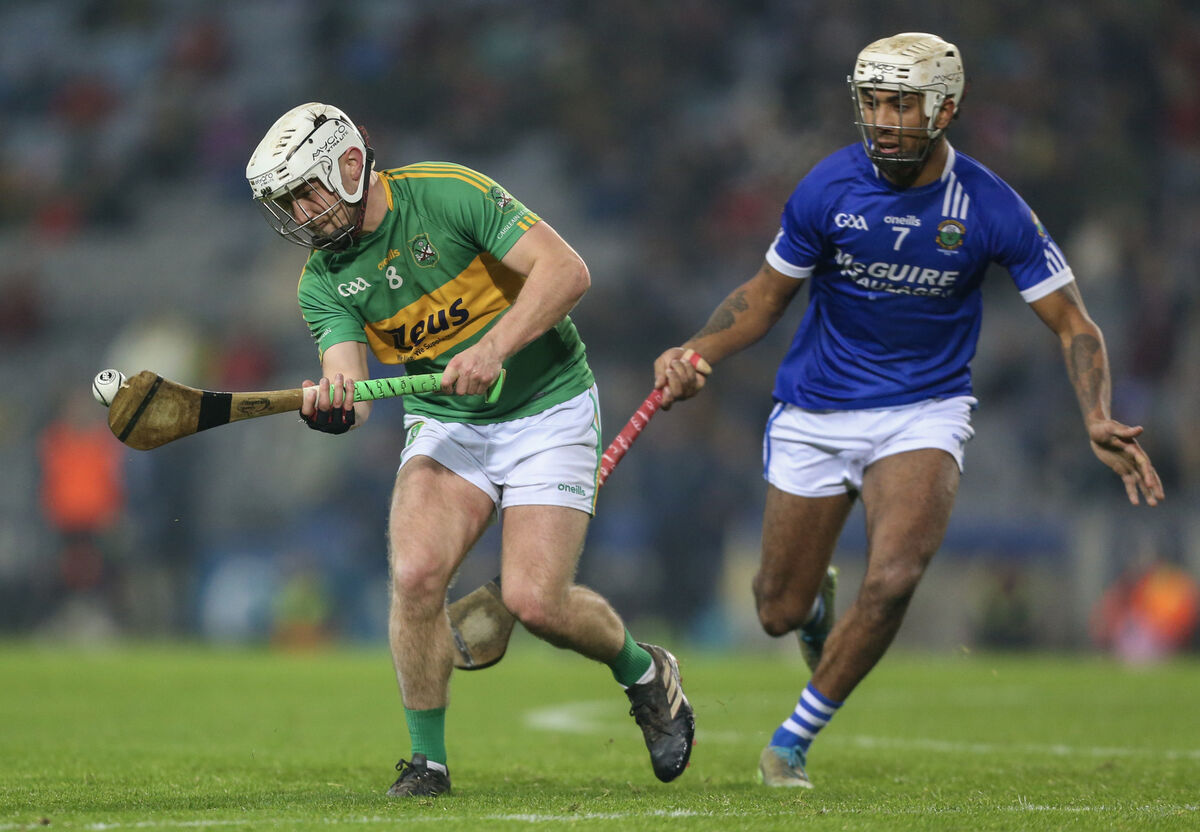
It was a case in both games of the beaten teams having to put their hand up and declaring that the best team had come out on top.
There is nearly always a strong family connection in these finals, three, four, or maybe more players coming from one or two households, brothers, cousins and so on.
The four Donnellys from Thomastown were such a family: Stephen, Robbie, John and Eddie, either brothers or cousins.
And their contribution was huge, a return on the scoresheet of 2-17 from an overall tally of 2-23; that’s some going by any standards.
Kilkenny star Walter Walsh was always going to have a big role to play in the junior final, and any inter-county player is expected to be to the forefront in games like this.
In both games, the strength of club hurling on Noreside was very evident, but that’s something we have known for a long time.
But there has to be perspective in this, too. Thomastown would be ranked 13th in Kilkenny, playing in the grade below senior, while Castlelyons would be ranked 25th in Cork, having been playing in the third grade, below senior and senior A.
However, the expectation going forward is that Castlelyons, who will be operating in the senior A championship this season, will more than hold their own.
While they were well beaten last Saturday that does not diminish the contribution that they made last season, because, as history has shown, winning the Premier Intermediate grade in Cork is no easy task.
St Catherine’s can take a lot from their campaign, too, all the more so because of the manner in which they got back up on the horse after losing their own county final.
They have a Munster provincial title to show for their efforts over the year and that took a lot of doing.
SHOWDOWN
The All-Ireland club senior final is pencilled in for Sunday, between another Kilkenny team, O’Loughlin Gaels, and St Thomas, from Galway.
Many might have envisaged another installment of the Ballyhale-Shamrocks and Ballygunner rivalry, but that floundered very early, when Balyhale were unsuccessful in Kilkenny.
Ballygunner lost out in a penalty shootout to St Thomas in the All-Ireland semi-final, which is a shocking way to conclude a game of such magnitude.
But it is what it is and unless something goes drastically wrong on Sunday, a cracking final should remain in the balance until the final moments and at the end of it all the vote from this quarter goes to the Galway champions.
That final brings the curtain down on the club championship season and there will be a short calm before the start of the NHL.
LOW KEY
Management teams across the country are now finalising their squads for that campaign, which may well be that bit more competitive this time, following the decision of central council to approve the introduction of a new structure from 2025.
That will consist of five divisions of seven teams, although the top two will still be titled 1A and 1B.
The forthcoming league campaign will determine who goes into the 2025 top tier, with the leading three from Division 1A and 1B being joined by the fourth-placed team from 1A or 1B that boasts the best record. The thinking behind the changed structure is that it will bring a bit more energy into the competition, because of the fear of being relegated.
That remains to be seen, of course, but there is no doubt that the secondary competition needs a bit of enhancement, with almost the entire focus of county teams now fixed on being one of the three teams from the two provinces to emerge into the All-Ieland series.
It’s a near cut-throat affair now in both provinces and there has been less and less emphasis on the national league in recent times.
Limerick, of course, have successfully managed to combine both and that’s due very much to the strength of their panel.
In the distant past, it was very much about who you started with, the 15 on the block, but that’s all changed now and it’s all about having the right men in the right place when the call goes out to the bench.
It’s a squad game now, more than ever before, and that’s why the sight of Deccie Dalton hobbling off injured last Sunday, against Clare, has to be seen as a significant blow to Cork.
Injuries are, of course, part and parcel of the game, but it’s having adequate replacements that matters so much.

App?