Munster U20 hurling format better suited to developing senior players than the football version
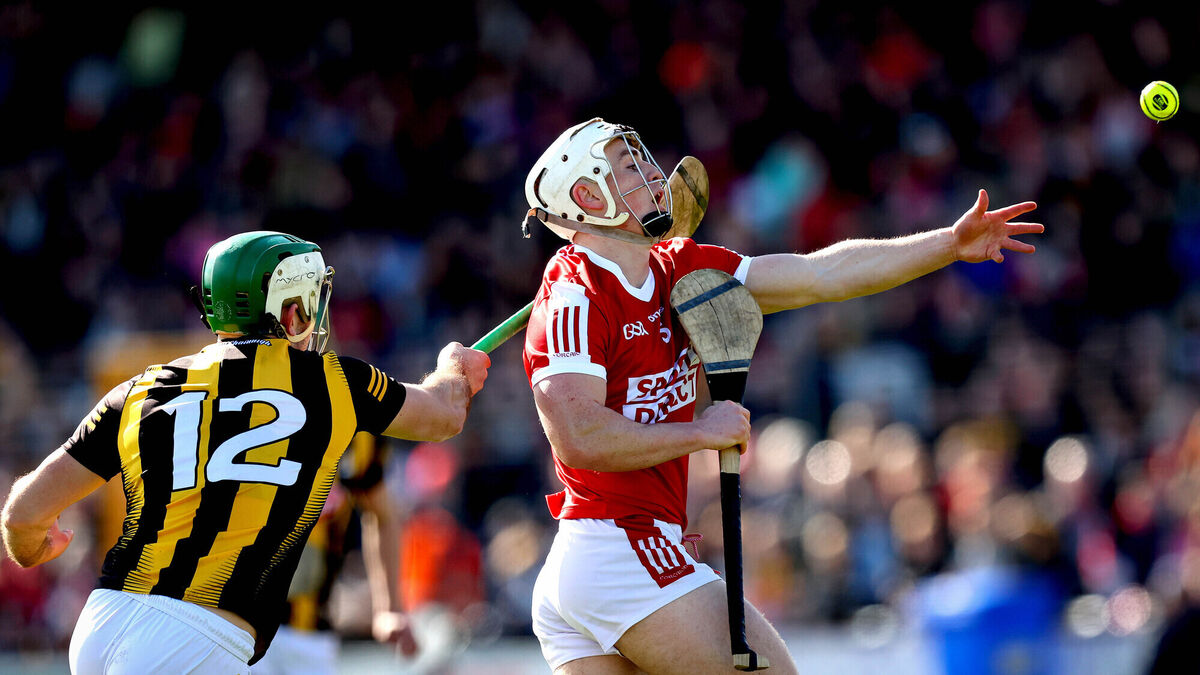
Kilkenny’s Paddy Deegan and Tommy O’Connell of Cork; promising young hurlers like O'Connell find it easier to progress to senior than their football counterparts. Picture: INPHO/Ryan Byrne
IN the aftermath of Tipperary’s defeat to Clare in the recent Munster U20 football quarter-final, Tipp manager Niall Fitzgerald pulled no punches in his criticism of the championship structure, which saw their campaign ended after just one game.
“It is a disgrace, and it will only change if the people who make the decisions start caring about the development of football in Munster,” said Fitzgerald.
It was easy to understand Fitzgerald’s frustration, especially when he referenced the comparative differences between the Munster U20 hurling and football championships - in the hurling championship, every team is guaranteed four games, with the potential for up to seven matches (if they had to play a Munster semi-final) for the All-Ireland winners.
Leinster hurling also has a round-robin, while so did the Leinster football championship, which had a round-robin championship with three groups.
With the Leinster U20 football championship having begun in late March, there has been a round every weekend, which included quarter-finals and semi-finals, for the last six weeks up until this Tuesday’s final between Dublin and Kildare.
The biggest criticism with the structure of the U20 football championship is the lack of equality in the format. Similar to Munster, Ulster also had a straight knockout format. With half of last year’s All-Ireland-winning starting team on board, Tyrone were favourites to retain their Ulster title but were knocked out by Down in the opening match.
It was also knockout in Connacht where the championship there was run off in 15 days. Yet there was no comparative U20 hurling championship in Connacht and Ulster, which made the knockout format more difficult for Munster counties to reconcile - especially when Leinster ran a round-robin.
Leinster does have more counties than any other province but the difficulty with different formats in different provinces is how inequitable it can make the playing field. Cork and Kerry began their Munster championship a full five weeks after Leinster began theirs.
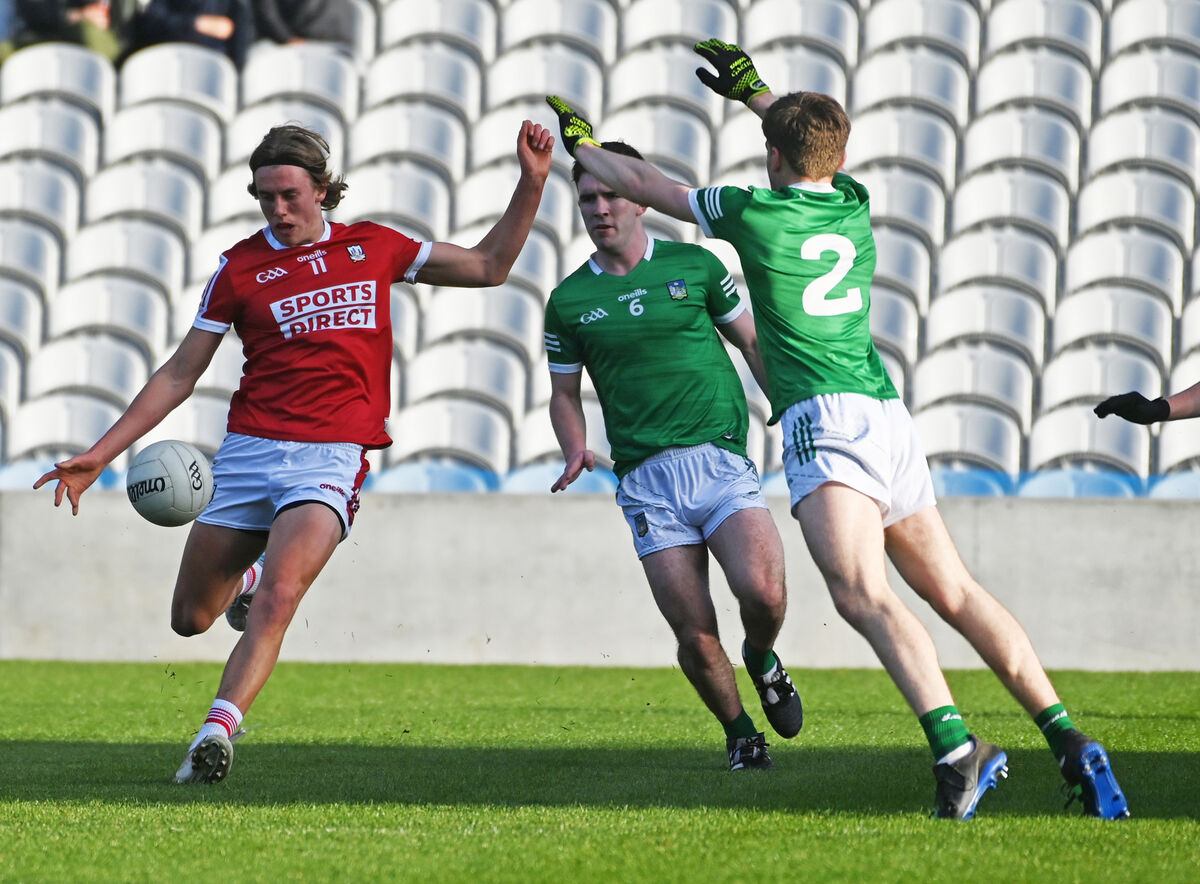
“A championship should be starting the same time,” said Tomás O Sé, Kerry U20 manager, recently. “If it is knockout let it be knockout but let it be a fair knockout. How you can have a knockout with a group system in one province. It just smells of from the higher-ups – let’s just get this competition done. Let’s get it out of the way. Fast.”
The Fitzgibbon and Sigerson Cups have really felt that pressure in recent seasons but at least young hurlers have been given a proper opportunity to have a meaningful U20 championship, unlike their football counterparts in three of the four provinces.
This is a difficult subject to balance because, while more and more young players are part of development squads, and are within the elite underage system for longer, where and when does that journey end?
Most inter-county panels now are loaded with young players - Cork had 17 All-Ireland U20 winners from 2020 and 2021 on their extended hurling panel in 2022. But it’s inevitable that only so many can make it at senior level for a sustained period.
Some may be better mentally and physically prepared at 24 or 25 but they have often been overtaken by then by the next young batch coming off the production line. Many players are becoming lost in the vacuum left by the now-defunct All-Ireland Junior and Intermediate championships, especially when some counties fielded an U23 side in those competitions.
A handful of counties have since tried to fill that void with development squads. The pathway is being facilitated further by long-term athletic development planning programmes.
Having that base enables young players to tolerate the training and match demands better. If they have come through an effective and well-designed programme, there is no reason why players shouldn’t be able to thrive at senior.
Yet sports science is still changing the natural cycle of the age grade.
Derry are unique in that they have five U20 players with their seniors this year – Eoin McEvoy, Lachlan Murray, Matthew Downey, Niall O’Donnell and Mark Doherty.
Initially, the Derry seniors would have been denied the services of those players (if the U20s wanted them first) for their Ulster quarter-final against Fermamagh as the original date of the U20s clash with Donegal fell inside the seven-day rolling period where players are allowed to play both underage and senior championship.
It was all the more galling again for Derry because Donegal weren’t playing senior championship until last weekend. However, the Ulster Council relented and voted 9-1 in favour of shifting the U20 game to four days earlier from the original fixture.
After beating Donegal comfortably, Derry will now play Down in the Ulster U20 final on Wednesday night. Yet the Derry seniors play Monaghan in the Ulster semi-final on Saturday.
The Derry senior squad is so thin that if they removed the five U20s, Derry would probably not have 26 fit players for that senior game. Yet Eoin McEvoy is still probably the only senior player who won’t line out in the U20 final.
That’s certainly not ideal for the Derry U20s, but it provides another illustration of how hard this U20 football championship has been for the players.
Especially those that only got one game.







 App?
App?


