What would the GAA look like if players turned professional?
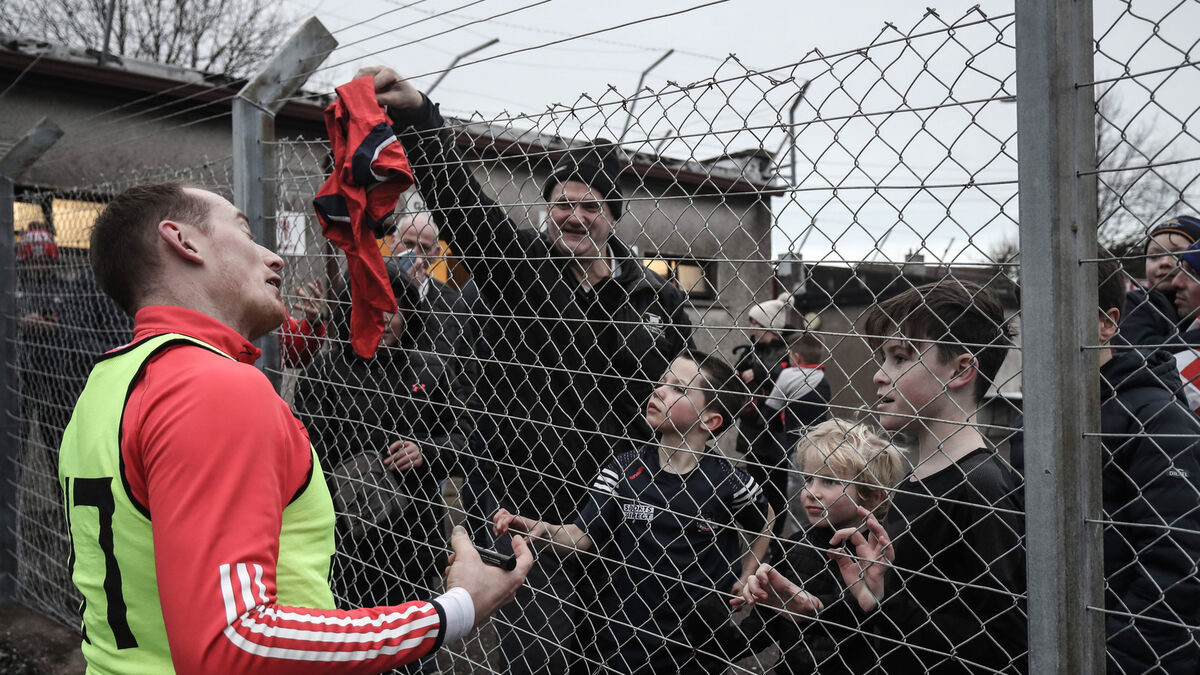
Cork’s Damien Cahalane signs autographs at Páirc Uí Rinn. Picture: INPHO/Evan Treacy
IT’S the age-old question: what would happen if the GAA decided to pay their players to play?
The GAA, as we all know, has grown rapidly and transformed itself into a huge commercial entity since the turn of the millennium. Players are far stronger, fitter, and better conditioned than ever before. The demands placed on inter-county players are comparable to pros, and in many respects, the vast majority of them are training at an elite level.
There are many angles to look at within this debate from paying players to the GAA abandoning its amateur roots, which may jeopardise its origins and history.
If you take paying inter-county players as an example. Inter-county stars are expected to train three to four times a week, a further couple of gym sessions on top of this, and then play matches during the weekends, all while trying to maintain a full-time job to financially support themselves.
This sort of commitment without payment would be laughed at if it happened in any other sport, but this seems to be the underlining factor within the GAA’s ethos.
Back in 2021, Tomás Ó Sé came out and stated that the demands of modern inter-county Gaelic football and hurling are too close to professional standards to be sustainable in an amateur game.
But since this statement, nothing has changed in terms of the pressure and workload that players face at inter-county level.
Various methods of individual testing are carried out on these athletes on a regular basis and from results recorded, are all allocated specific dietary requirements and gym plans in order for the player to be in the best shape and condition prior to a performance.
This has a huge effect on a lot of players trying to find a balance between work, training, and other life events including; family, and there are players who take part that do suffer from mental health issues.
If the GAA were to begin paying their players, would the demands from work and other commitments lessen for players, who would in turn suffer less stress while playing GAA?
Another aspect of this issue is the resources and funding each county receives on an annual basis. It is no secret that the likes of Dublin and Limerick seem to be getting a larger sum than other counties.
Last year Limerick GAA spent €2.3 million on its county teams, surpassing Galway who became one of the first teams to break the €2m barrier for team expenditure in a single year. This is a monumental figure but is it justified when their senior hurling team have been dominant in recent seasons?
It is obvious that with extensive funding, teams are able to benefit and gain advantage over their rivals in every aspect of the game on and off the pitch.
While GAA remains an amateur sport, does this type of large-scale funding not undermine the very premise of their ideals?
It gives an obvious advantage to the teams receiving the money, while the rest of the county teams are left struggling to compete against the powerhouses of GAA.
If the Gaelic Association made the decision to turn the sport professional would this issue be resolved?
It would certainly level the amount of funding each inter-county team receives to allow them to compete on a level field.
Turning the GAA professional would also protect player welfare and perhaps take the burden of balancing work and GAA off their minds.
We expect inter-county players to give their level best on countless weekends during the ever-growing GAA calendar and perhaps sometimes we forget that this are amateur athletes. It would be interesting to see if the GAA could trial a proposed vision of how professionalism would work in their environment.
Players already train and act like pros so that aspect would not be an issue to change.
The main problem would be the very ethos that would be challenged if the GAA went down this route.
In this era, it is difficult to see the GAA ever changing their ways in terms of professionalism in their sport.







 App?
App?


