Threatened Cork Prison is Ireland’s only 1916 Rising execution site outside Kilmainham
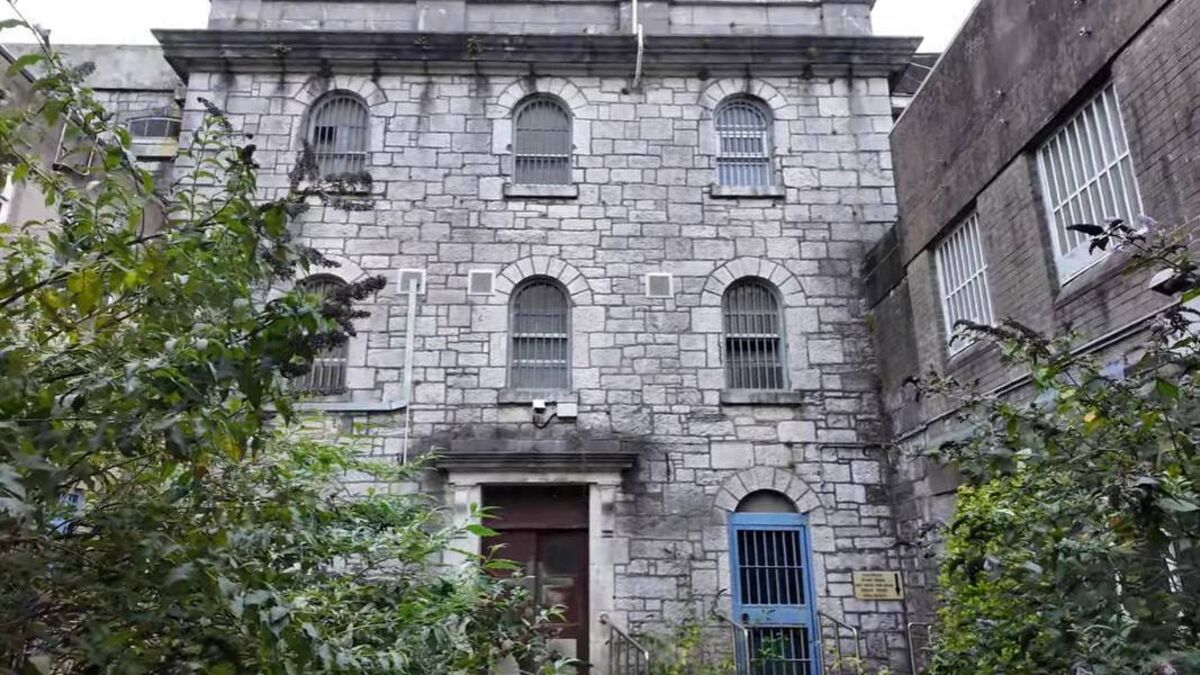
Councillors are hoping to block plans to demolish the old Cork prison. Historians say it could be a major tourist attraction like Kilmainham Gaol or Spike Island. Amy Campbell looks back on its colourful history
Threatened Cork Prison is Ireland’s only 1916 Rising execution site outside Kilmainham

The Cork Military Prison, as it was originally known, is an integral part of the multifunctional historical site that includes Collins Barracks, formerly Victoria Barracks.
Cork City Councillors recently voted unanimously to put the old Cork Prison on its protected structures register, in a blow to plans by the government to demolish it.

Adding the structure to the register will take six months, and plans for the demolition, to make way for a new prison on the site, appear not to have stalled.

Councillors, including from government parties, spoke of the heritage of the building when explaining why they felt they had to vote to protect it from being knocked down.

Mervyn O’Driscoll of the University College Cork (UCC) school of history, asked: “Would we demolish Kilmainham Gaol?”

He told The Echo: “Cork Military Prison is Ireland’s only 1916 Rising execution site outside Kilmainham.

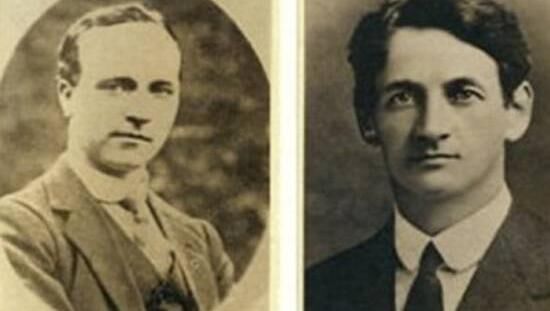
Former lords mayor of Cork, Tomás MacCurtain and Terence MacSwiney, were both incarcerated in what was then the Cork Military Prison.

“Thomas Kent was shot by firing squad there and buried secretly on the prison grounds. They were rediscovered and reinterred in Castlelyons in 2015, following a State funeral.

“Likewise, in 1920, lord mayor Terence MacSwiney was initially detained and court-martialled there, before being transferred to Brixton, where he died on hunger strike, sparking an international outcry delegitimising British authority.”

He added that Tomás Mac Curtain, another former lord mayor of Cork who died the same year as MacSwiney, was also initially held in the facility.

Mr O’Driscoll continued: “Military-style executions were performed against 13 republican prisoners in the grounds in 1920 before their bodies were taken from the site and buried in the grounds of Cork City Gaol (now part of UCC).

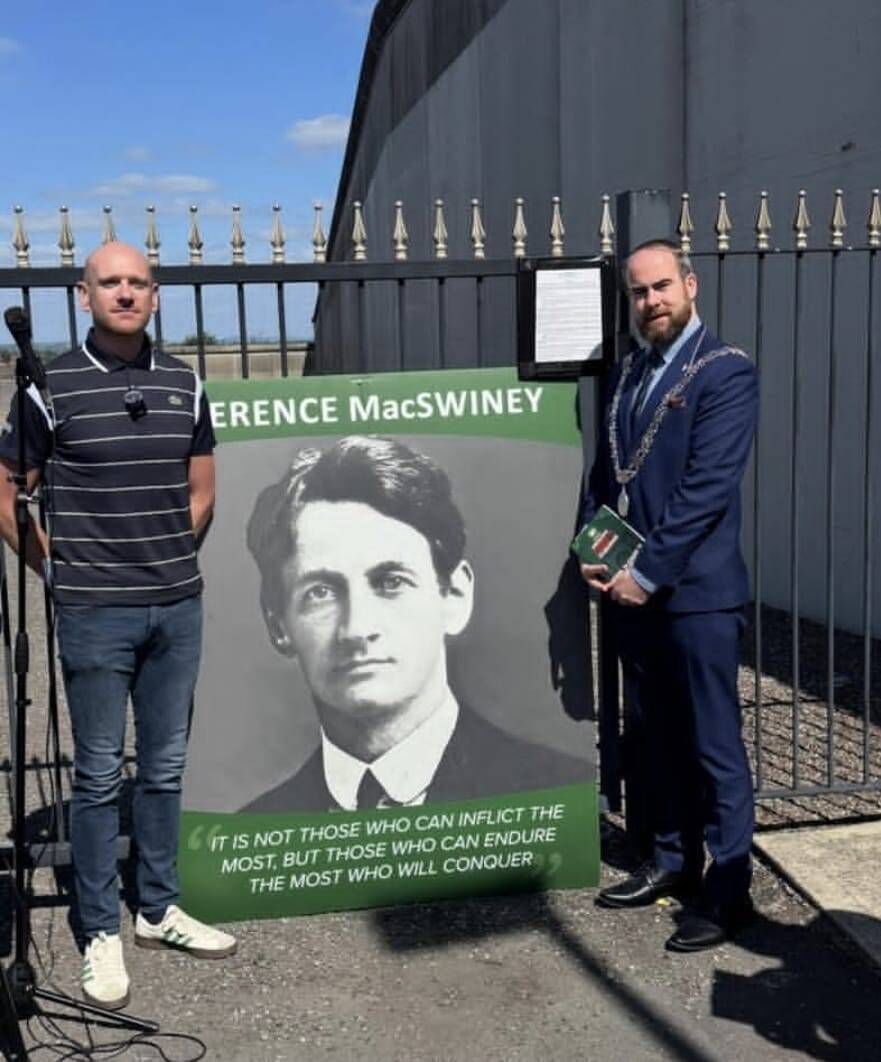
Eolan Ryng with Deputy Mayor Gary O'Brien at a heritage week talk on the old Cork Prison in the Glen.

“It is thus closely paired with that republican burial site. If UCC decided to demolish the remnants of Cork City Gaol on Western Road, itself the site of republican hunger strikes and executions, there would be a similar controversy.

“So, simply in terms of Irish revolutionary history and the recent Decade of Centenaries, it was a core site.”

But beyond this, the facility has multiple historical significances, he said.

The Cork Military Prison, as it was originally known, is an integral part of the multifunctional historical site that includes Collins Barracks, formerly Victoria Barracks, the historian pointed out.

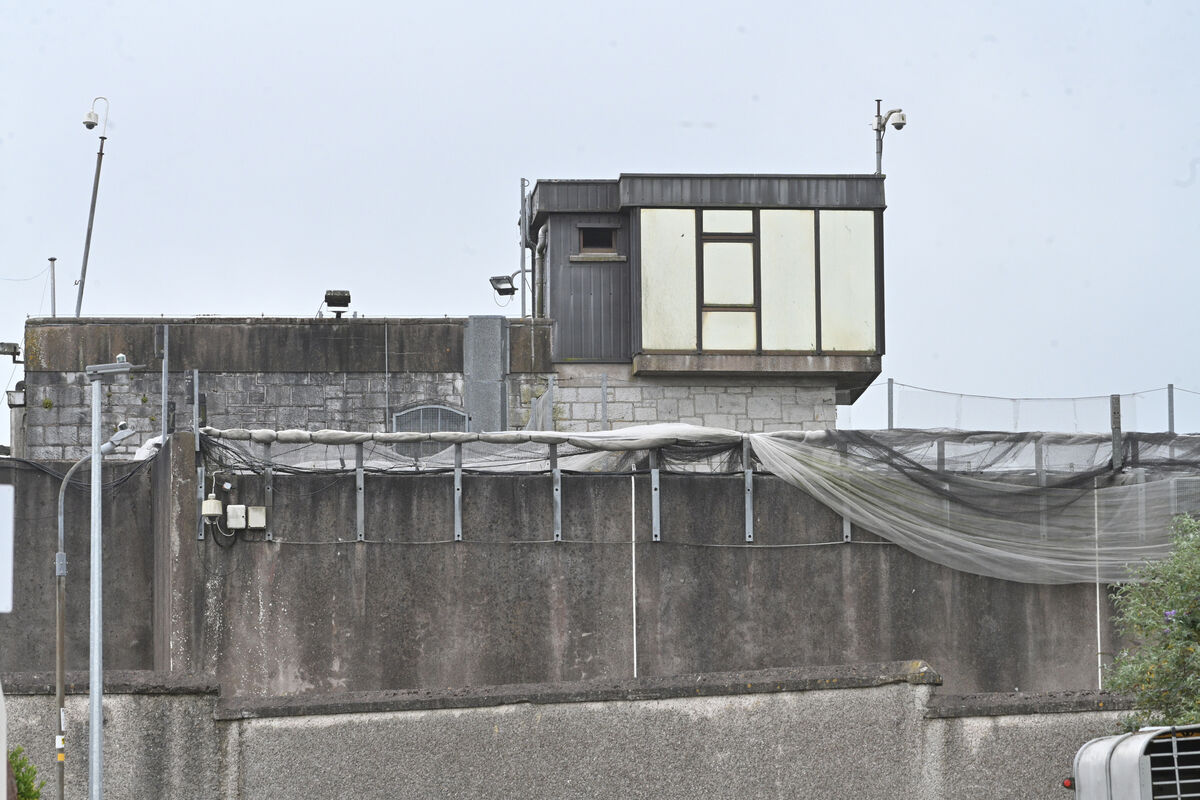
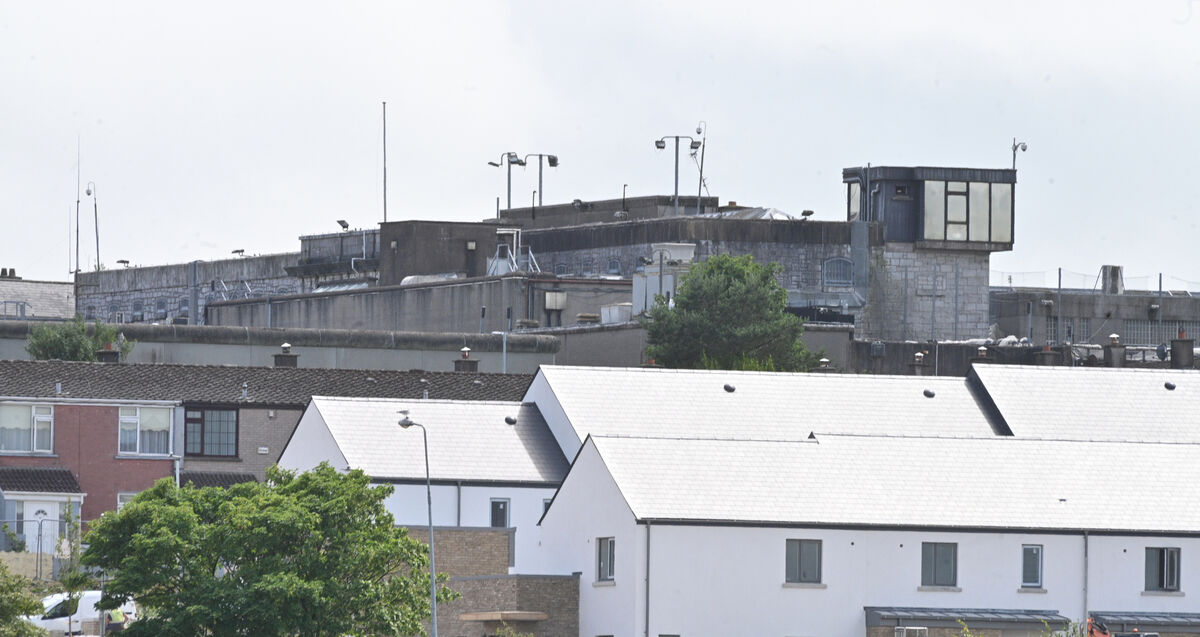
 The watchtower at the 'old' Cork Prison, now disused. Picture: Larry Cummins.
The watchtower at the 'old' Cork Prison, now disused. Picture: Larry Cummins.

“A substantial piece of mid-Victorian military-penal architecture, it illuminates the Victorian mentality that moved away from a reliance on executions and deportations to Australia.

“Instead, the imposing prison was intended as a sign of progress: a specially-designed facility to punish and rehabilitate. Based on the classic Pentonville model, each prisoner was isolated in a cell and subject to close surveillance.

“Designed by Joshua Jebb and built in the late 1840s, it shares the severe architecture of Kilmainham and Mountjoy along with other prisons of the period across Britain and Ireland. That is important social history.”

He added that the building had a broader transnational role in British military discipline, because the barracks acted as a staging post for British imperial forces dispatched to the Crimean War, the Boer War, and the First World War.

With national independence, it was transferred to the Irish Army and continued to serve as a prison for Collins Barracks.

It was transferred to a civilian role in 1971/2, before being replaced by a modern facility across Rathmore Rd in 2016.

Multi-layered history

Thus, it has a rich, multi-layered history. It is also an important part of the built heritage and offers a significant long-term view of Cork’s evolution and transformation, Mr O’Driscoll said.
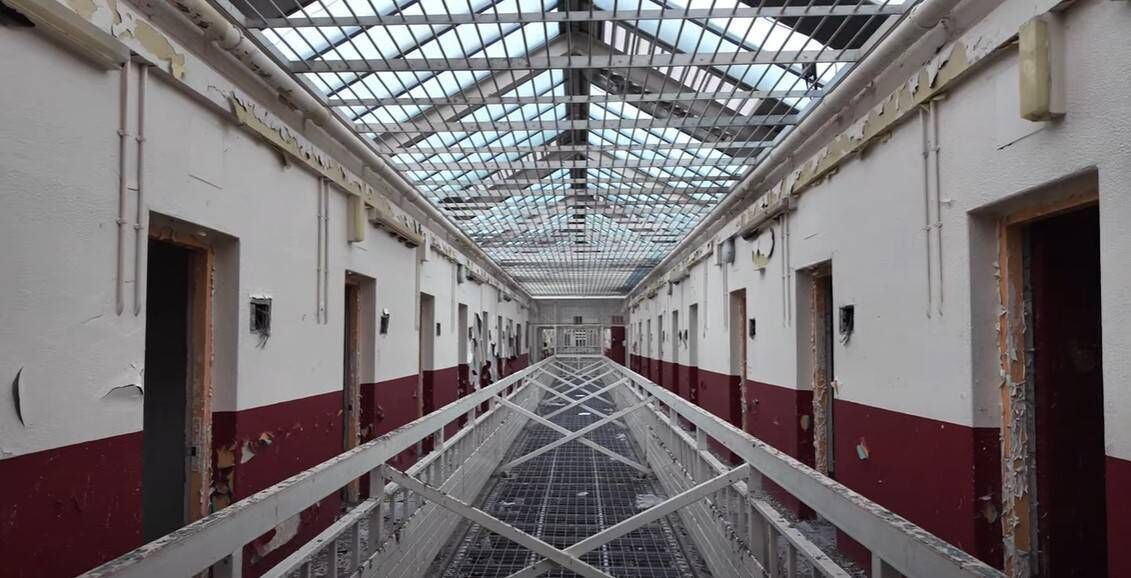
History podcaster Eolan Ryng attracted more than 100 guests to a heritage week talk at the site of the old prison recently, and put together a booklet on its history with Dee Moore, ahead of the event.

The booklet traces the history of the prison from Fenian times, including the first sentencing to death on site in 1866 of Sergeant Thomas Darragh of the British Army, for his involvement in the Fenian Brotherhood.

 The 'old' Cork Prison, now disused at Rathmore Road/ Thomas Kent Road. Picture: Larry Cummins
The 'old' Cork Prison, now disused at Rathmore Road/ Thomas Kent Road. Picture: Larry Cummins

The prosecution claimed, in a case mostly reliant on evidence of an informer, that Darragh had helped Fenian organisers make contact with serving soldiers and supported preparations for an Irish rising.

Thomas Darragh’s death sentence was commuted to penal servitude for life, and in 1867 he was transported aboard the Hougoumont, the last convict ship sent from Britain and Ireland to Australia.

He was imprisoned at Fremantle, alongside other soldiers convicted of Fenian activity.

Catalpa

However, Irish-American supporters raised money, purchased the whaling ship Catalpa and sent it to Western Australia on a rescue mission.

In April 1876, Darragh and five fellow prisoners escaped from Fremantle Prison, travelled by carriage to the coast and were rowed towards the waiting ship.

Pursued by colonial forces, they reached the Catalpa, which carried them to a triumphant reception in the United States.

Mr Ryng’s booklet also notes that when MacSwiney was arrested, he was ordered to surrender his possessions.

Sergeant-Major Bailey, who was in charge that night, later described that when ordered to remove the lord mayor’s chain, he refused, saying: “I would rather die than part with it.”

After the prison’s closure in 2016 due to a newer prison being built the jail was used in a movie about the Maze prison.

Years later, during the final months of British rule, soldiers were expected to remain alert for attack, escape attempts, and IRA activity around the barracks, creating a tense environment.

One soldier, Major GT Barry of the South Wales Borderers, commandant of Cork Military Detention Barracks, was approaching the building with another officer when a sentry’s rifle accidentally discharged.

Vital area

Barry was struck in a vital area and carried to the nearby military hospital where he died from his wounds despite urgent medical treatment.

In July 1921, six planned executions were paused while peace negotiations took place, and after the truce came into force, the prisoners escaped death, with the six graves which had already been prepared remaining empty.

In February 1972, the then- Evening Echo reported that the site was to be handed over to the civilian authorities for use as a male prison.

In 2015, before the prison’s doors were closed when inmates moved to the newly-built prison alongside it, Thomas Kent’s grave was exhumed, the remains were DNA-tested and confirmed to be his. He was awarded a full State funeral.

more #Prison articles

Irish Budget 2027 Justice minister to meet Glen Resource Centre as Cork prison debate continues
Taoiseach Micheal Martin visit to UK No guarantee old Cork Prison won't be demolished, says Micheál Martin
Councillors hope adding historic prison to protected sites list will secure its future Councillors hope adding historic prison to protected sites list will secure its future

More in this section

Caseys given green light to redevelop former Cork printers into furniture store Caseys given green light to redevelop former Cork printers into furniture store
Cork man jailed for 10 years for the killing of Paula Canty in Mallow  Cork man jailed for 10 years for the killing of Paula Canty in Mallow 
Government visa policy costing University College Cork more than €3.5m  Government visa policy costing University College Cork more than €3.5m 

Sponsored Content

CS ESB Networks Oct 2026 Got a smart meter? Time to unlock its value with an ESB Networks online account
 ‘I don’t feel like myself any more’. Why Irish women are missing the signs of menopause ‘I don’t feel like myself any more’. Why Irish women are missing the signs of menopause
New build, renovation or replacement? Seven window and door decisions to make before comparing quotes in Ireland New build, renovation or replacement? Seven window and door decisions to make before comparing quotes in Ireland
Contact Us Cookie Policy Privacy Policy Terms and Conditions

© Examiner Echo Group Limited

Add Echolive.ie to your home screen - easy access to Cork news, views, sport and more