Tom MacSweeney column: New fish board chief notes resilience of sector under pressure
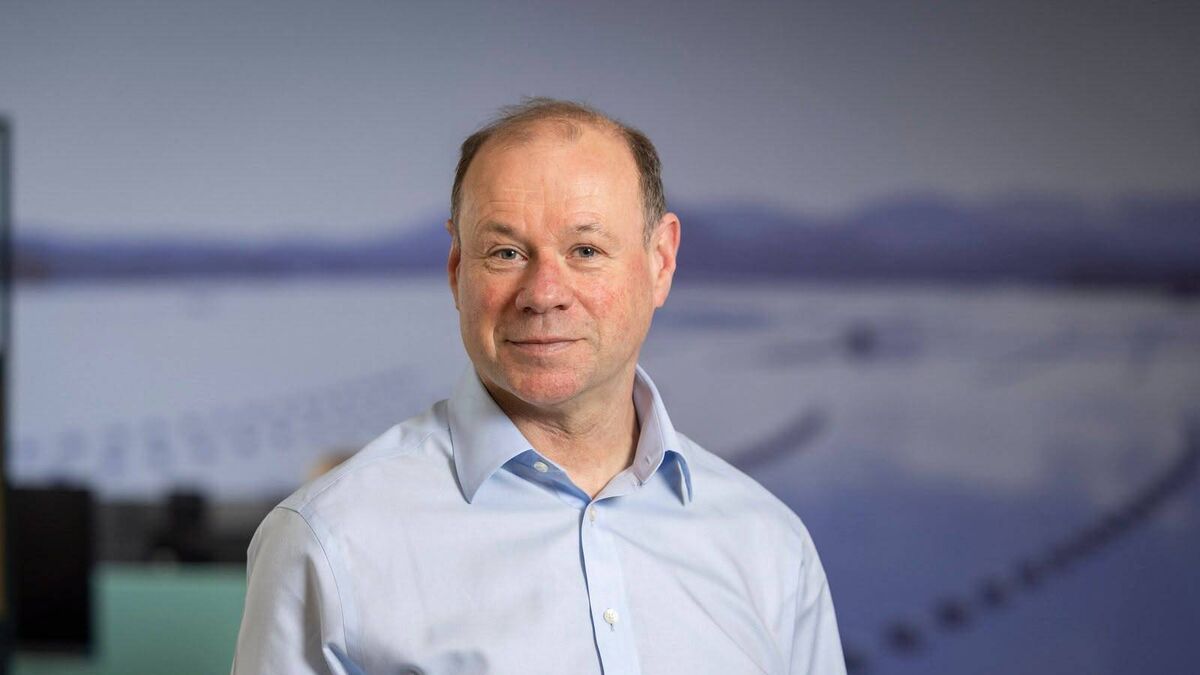
RIchard Donnelly is the new chief executive of BIM: “There is great strength in the industry," he says.
The new chief executive of the State fisheries board stood on the pier at Castletownbere, watching an Irish trawler departing West Cork on a long voyage to go fishing.
It made an impression on him.
“It was heading off down to the Bay of Biscay to fish tuna. I saw the strength of the people aboard and their resilience and determination.”
Richard Donnelly is leading the work of Bord Iascaigh Mhara now, at a very difficult time for the Irish fishing industry, battling with reduced quotas which have caused lower landings. These include a 48% reduction in the mackerel quota and pressure on all species.
“It is a really difficult, challenging time.”
I was discussing resilience in the industry with him on my Seascapes podcast. It was his first interview in his new post. He reminded me that I had interviewed him back in 1999 when he was a regional fisheries officer!
He has acquired a huge amount of experience of the fishing industry since then. A fishing voyage to the Bay of Biscay to catch Albacore tuna can keep the crew away from home for weeks. Going there shows the determination of fishermen to do what they know best – catch fish.
Castletownbere is a port to which this tuna fishery is important. It is also the location of a BIM fisheries school where entrants to the industry are taught the skills needed in a career in the seafood industry.
I was talking to Richard on my podcast about the job he has taken up in these difficult times for the industry. How can fishermen be so resilient?
“We should take pride in the achievements of Irish fishermen and the Irish seafood sector,” he responded. “Even in difficult times there is opportunity. It is going to take a lot of work to secure the future, but that future is important to this island nation.”
So, what are the opportunities?
“There is great strength in the industry. What we are doing in BIM is looking at what are termed under-utilised species, though I don’t like that term. They are signature species which need a better price in the market. That could be ray, ling, rock salmon and other species. We also need to look at the supply chain. How quickly do we get fish from the pier to the high-end consumer? The product that the industry catches is a high-value product and deserves recognition of that.”
The BIM Seafood Academy is another aspect of the State agency's work. It is engaged in increasing appreciation of Irish seafood, wild-caught fish, shellfish and aquaculture. Seminars and meetings on location at aquaculture operations have been held with chefs and fishmongers, he told me. Young people are being taught skills for the future of the industry.
“There is opportunity in the Irish food service sector. Menus are relatively limited at the moment. There is much more variety of species that can go onto those menus at the right price. There is a real opportunity in the food service market to grow consumption. As well as wild-caught fish, our shellfish industry, our oysters, our mussels, are the best and there is lobster, crab. There is a real opportunity to develop consumption and sustain the seafood industry.
“I am not sugar-coating the challenges faced. They are really difficult, but we have to look at what is possible and be proud of the industry.”
HOW SERIOUS IS THE TAOISEACH ABOUT A MARINE DEPARTMENT?
Important to the maritime industry generally, would be a Department of the Marine. An island nation without such indicates failure of government to fully appreciate the resource the marine sphere offers.
Previous governments closed down the former Department, closed the national shipping company and ‘sold out’ Irish fishing which has the most valuable waters in Europe, for accession to the EU.
It was a shocking breach of State economic responsibility and political understanding of the governance of an island nation and gave billions of euro to other EU member states, while restricting and preventing Irish industry development.
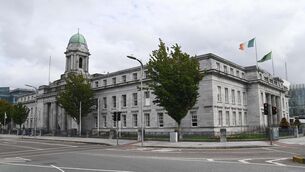
So, what did the Taoiseach mean at the Fair Seas Ocean Day conference in Cork City Hall where he described the structure of government in dealing with maritime affairs as not satisfactory?
“We’re an island national, we’re surrounded by seas. There’s something missing where we don’t have a stronger Department of the Marine.”
Yes, Taoiseach, but what will be done?
Mr Martin said that more than the present 15 cabinet ministers are needed. A referendum would be necessary to increase that Constitutional limit, which might provide for a Department of the Marine. I’m not holding my breath.
SEASCAPES PODCAST Tune in: tommacsweeneyseascapes.ie on Community Radio Network or wherever you get your Podcasts. Email: tommacsweeneyseascapes@gmail.com








 App?
App?


