End of an era as Ted Tynan retires from Cork council
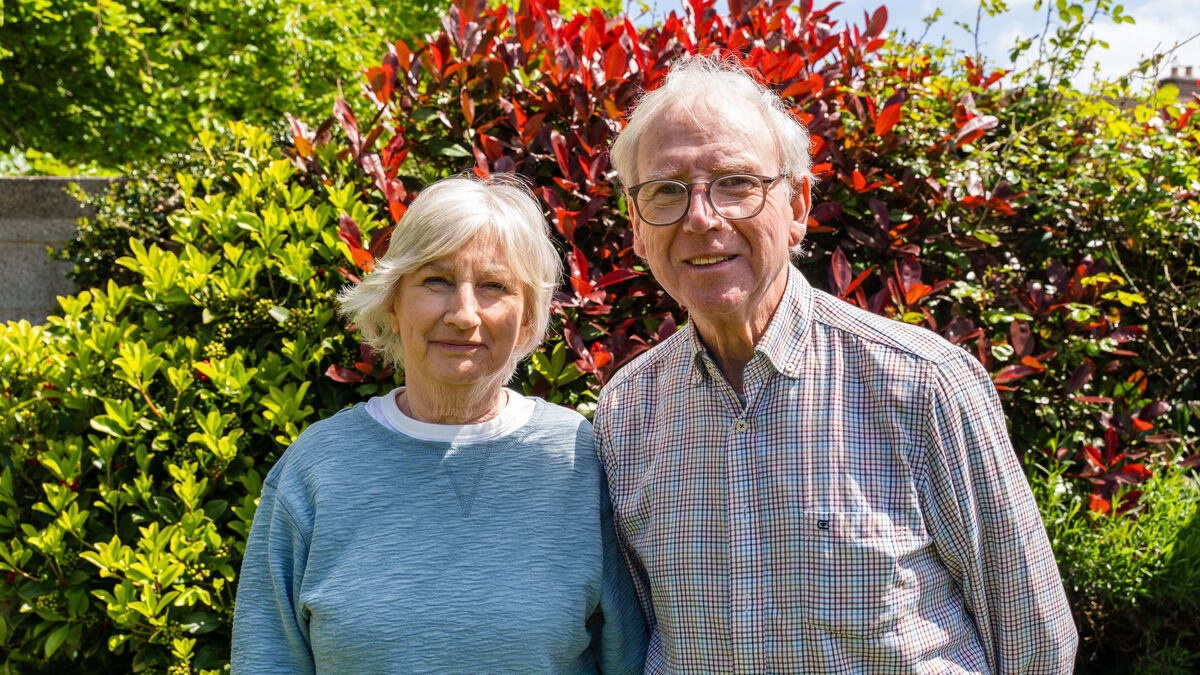
Carmel and Ted Tynan enjoying the sunshine in their garden. Picture: Noel Sweeney
When Ted Tynan told Cork City Council that he was retiring, he received a standing ovation from all sides of the chamber.
That the veteran socialist is held in high esteem by all in the council wouldn’t surprise too many who know him, but one observer said they had never, in three decades in City Hall, seen such an overt display of respect and affection.
The decision to retire was not easy for the 83-year-old, and it was something he agonised over right until his announcement, but he has had health issues since the start of the year.
More than one speaker in the council chamber said it was the end of an era, and there was a lot to that.
First elected to the then Cork Corporation for the north-east ward in 1979, Mr Tynan stepped aside before the end of that term, and he was elected again in 2009, serving as a councillor since.
Although his politics would be far to the left of most of his colleagues – “There’s nothing we agree on,” said former Fianna Fáil lord mayor Terry Shannon the night Mr Tynan retired – the Mayfield councillor’s kindness and soft-spoken wisdom have made him an immensely popular representative.
(Although the two men have clashed sometimes bitterly over the years, Mr Shannon added: “We will be lesser of a council with Ted Tynan’s departure”.)
Citing tiredness, Mr Tynan left his final council meeting early, but the next day, when he gave this interview, he said he was sorry he hadn’t stayed. After he had left, a Sinn Féin motion calling on Taoiseach Micheál Martin to plan and prepare for Irish unity was passed. Mr Tynan would have vehemently opposed it.
The work to convince the unionist population of Northern Ireland has not been done, he told , and while he “absolutely” believes in a united Ireland:
His interest in politics began early, when he joined the Fianna Éireann scouting movement in Ballyphehane, before graduating to the IRA and Sinn Féin. Around 1968, he helped found the Cork Housing Action Committee, “and we started taking an interest in evictions”.
He recalls one winter eviction on Mary St:
“We retaliated and broke open the doors and put them back in – it was an illegal eviction, so we were within the law. There was another illegal eviction on Dublin St and we did the same thing. I can remember telling the gardaí in Watercourse Rd what we had done, and they agreed with us.
“I remember the gardaí called up to the landlord and told him: ‘If there’s any more nonsense out of you, you’ll be over in the Bridewell’.”
The first item on the agenda, per Brendan Behan, is the split, and the history of Sinn Féin and its myriad offshoots is fraught with splits. After the Treaty split of 1922 that eventually resulted in Fianna Fáil and Fine Gael, the greatly diminished rump of Sinn Féin limped on through decades of border skirmishes before eventually splitting in 1970 on the issue of abstention.
That split resulted in Provisional Sinn Féin — the party currently led by Mary Lou McDonald.
In 1971, when Ted and Carmel Tynan, with their baby daughter Sinéad, got their new home in Mayfield’s Glenamoy Lawn, they attended a meeting about a proposed rent strike by corporation tenants in Mayfield, The Glen and Togher, protesting poor housing conditions.
“We moved in, and there was a meeting out in the open at the back of the flats and there was about 50 to 100 people there. We went over, they were starting the rent strike,” he remembered.
“We had paid one week’s rent to get the keys, so then we went on strike,” Mr Tynan said with a laugh.
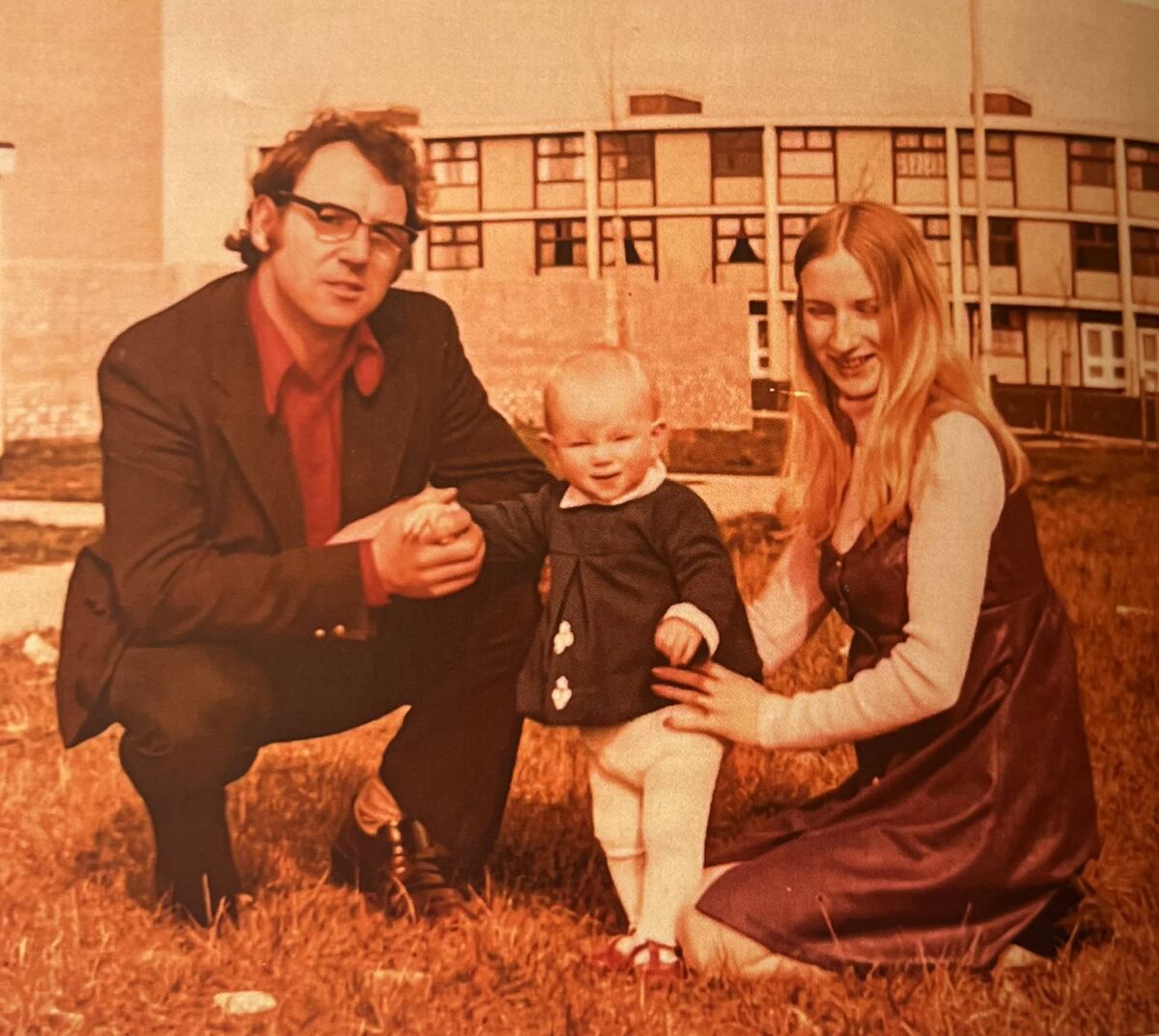
That strike went on until 1976, and there were seven evictions by the Corporation, among them the Tynan family, in what Mr Tynan said was a targeted action. It was brought to an eventual end by city manager Joe McHugh and his official John O’Donnell, who negotiated a settlement. They signed off on the deal in Celia’s pub in Togher, and it was agreed over a round of pints called by McHugh.
“I was elected in 1979 and the establishment was shocked. I remember the comment being made at the count centre: ‘Who the fuck are these people, voting for Tynan?’ We were accused of fiddling the vote and all. People who had never voted before voted. We brought them into the polling booth and all.
“They’d vote number one for me, and we gave up explaining they could vote for more than one person. They were known as plumpers, voting only once."
Mr Tynan enjoyed being a representative, and got on well with officials in City Hall, but he found it tough going too, and stepped aside before the end of that term for his then Workers’ Party colleague John Kelleher. He recalls McHugh telling him: “We’ll see you back here again”.
Mr Kelleher moved to Labour following the 1992 split in the Workers’ Party, which – in the wake of the collapse of the Soviet Union - led to the creation of Democratic Left, a party which in 1999 then merged with Labour.
Mr Tynan ran unsuccessfully in 2004, at least in part in opposition to Mr Kelleher, before being elected again in 2009, and he has been a councillor since. (Mr Kelleher lost his seat in 2014.)
All these years later, Mr Tynan is still making representations on behalf of the representatives of Glenamoy Lawn and the neighbouring Árdbhaile, where residents have reported ongoing issues with heating, and with rodent infestations.
Mr Tynan feels that helping people illegally evicted served to shape his political career early on “because I recognised that there is a lot of deprivation and inequality and I wanted to try and do something about that”.
He said that while there are still great wrongs in Irish society, there has been considerable progress too.
“There’s still a lot of misogyny, though, where men dominate women, you can see that, unfortunately, in the courts, and in the murder rate.”
Turning to local government, which has been so long his daily business, he said he gets on well with council staff to this day, but he feels current management in City Hall could learn some lessons from the late Joe McHugh.
“McHugh was exceptional. He treated people with respect. He would come in with me to social housing tenants’ homes if there was a particular issue and he’d sit down in their front rooms and discuss things with the tenant. He was a public servant, but he was a sound guy.
“I think local authorities should stand up to ministers.”
Mr Tynan's party colleague Jerrica Struthers will be co-opted to replace him on Cork City Council at the start of next month, and even if it is the end of an era, there is a promise of continuity too with a woman in whom he says he has every faith.
“I think Jerrica will do a fantastic job, she’s a very committed community activist, a brilliant socialist and a strong young woman, and she is a very hard worker,” he said.
Asked if he will miss being a public representative, he replied: “Of course I will, but in the end, I don’t have a choice. Unfortunately, I have to think of my health now.”
By way of postscript, after we had finished our interview, Mr Tynan rang with something important to add. The National Ambulance Service was on strike that day, and he wanted to offer his support.
“I have been brought to hospital four times this year by the National Ambulance Service, and they were just fantastic every single time,” he said.
“I am calling on the Government to cop on and pay these great people a decent wage.”
At Mr Tynan’s final council meeting, the current Lord Mayor, Fergal Dennehy, said he had attended “far too many” gatherings where tributes were paid to those who had passed away. It was, he said, a pleasant change to be able to tell someone how much they were appreciated “while they’re still around to hear it”.
While Mr Tynan may now be stepping back from public life, it is hoped his voice for decency and social conscience will continue to be heard in the city.








 App?
App?


