Cork research shows government data is missing many homeless
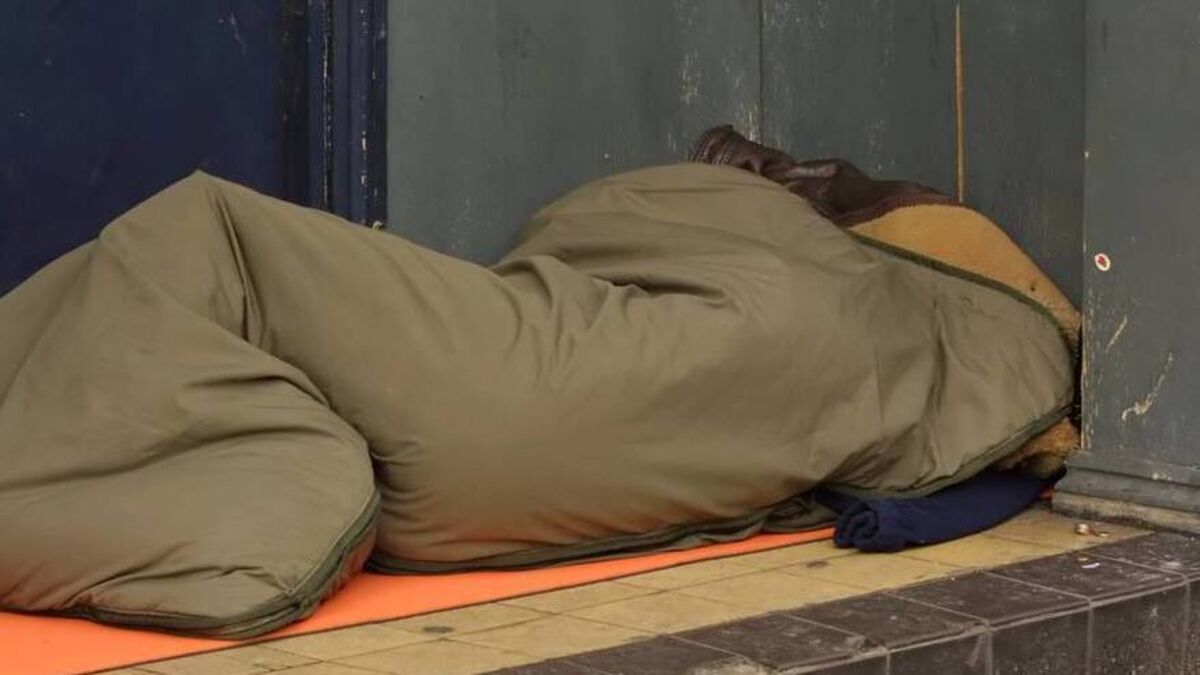
Ireland's measurement of homelessness is reflected in data that captures those in emergency accommodation, and people in Dublin sleeping rough. Stock Image.
As homelessness in Cork reached another record high last week, new research from University College Cork and Cork Simon Community says government data is not capturing the full scale of the problem.
Cork Simon said it commissioned the research because its outreach and emergency teams meet people every week whose experience of homelessness doesn't show up in any official figure.
The research report, which proposes the establishment of a Cork 'observatory' on severe housing exclusion, was authored by Joe Finnerty of UCC's school of applied social studies, and will be launched this morning.
Ireland's measurement of homelessness is reflected in data that captures those in emergency accommodation, and people in Dublin sleeping rough.
A Cork Simon spokesperson said: “The man living in a broken-down car may never be encountered during a street count. The woman moving between the sofas of friends and family does not appear in any official figure.
“Nor does the person leaving prison or hospital with nowhere to go, who cycles back through a hostel, back through an A&E, back through a garda station, never staying anywhere long enough to be recorded as homeless in any one place.”
A new framework that brings together two leading international approaches has been developed by Mr Finnerty, resulting in a map of severe housing exclusion, so that gaps can be identified.
The Simon spokesperson added:
On Friday, a monthly government report revealed that a record 787 adults in Cork were in emergency accommodation in March.
Better measurement could strengthen prevention by identifying the points at which people most often slip into homelessness – leaving prison, hospital or care, or losing a private rental, so that interventions can be designed to intervene earlier.
It could also give policymakers a clearer picture of who is being missed by current responses, and improve accountability by enabling consistent monitoring.
Dermot Kavanagh, CEO of Cork Simon Community, said: “There's a line in this report that stopped us in our tracks: what is not named, defined and measured is not noticed.
“At Cork Simon, we believe in people. And we believe people experiencing homelessness deserve to be seen. This isn't really a report about data; it's a report about the people behind the data, and about making sure they're not invisible to the policies and services meant to support them.”
Mr Finnerty added: “I've spent more than thirty years looking at how people end up in homelessness, how they get out of it, and how the indicators we choose end up shaping the policies we get.
A Phase 2 report, due for publication in September, will take the newly developed framework to the organisations doing the work on the ground, and ask look at what’s feasible and what’s needed.





 App?
App?


